
Uganda
Budongo Forest Reserve
Local expert: Enoch, Huko Safaris
Last updated October 16, 2026
- Best Time to Visit
- Jun - Sep, Dec - Feb
- How Long to Stay
- 1 - 2 nights
- Type
- forest
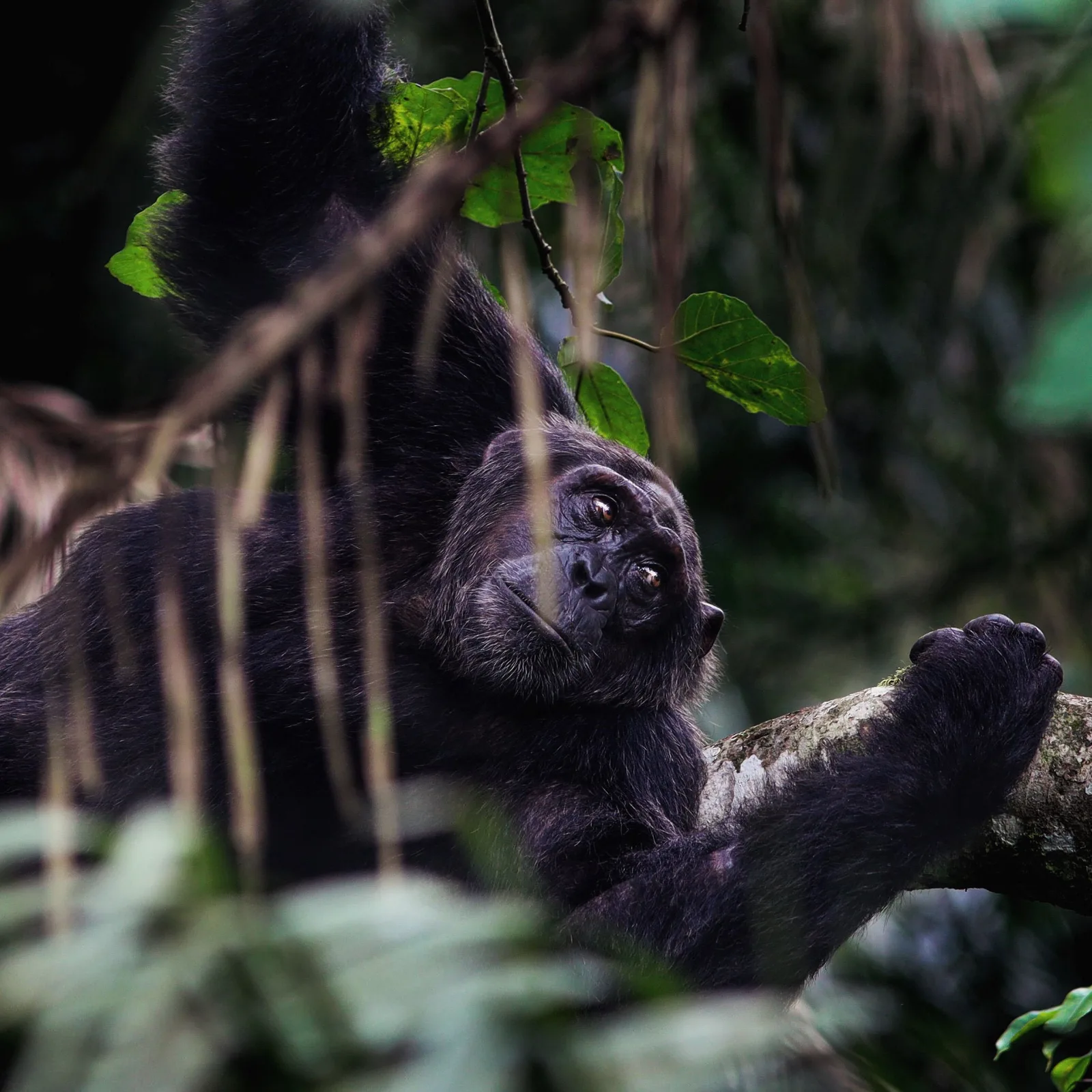
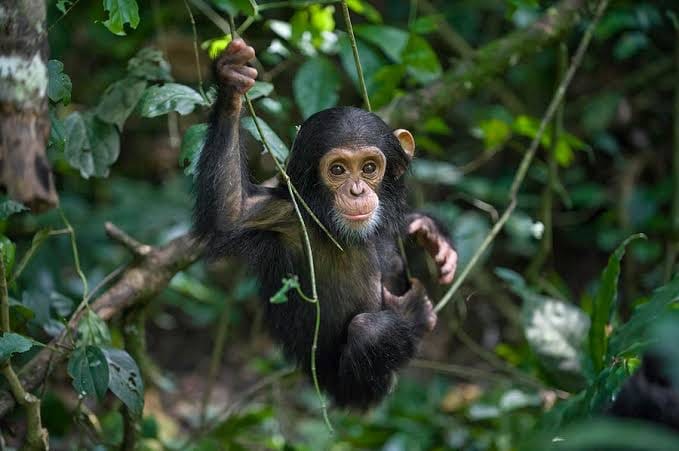
Budongo Forest Reserve is Uganda's largest surviving natural mahogany forest, bordering Murchison Falls National Park's southern boundary in Masindi District. It holds one of the country's largest wild chimpanzee populations, estimated at about 800 individuals, tracked at two main trekking sites: Busingiro and Kaniyo Pabidi.
It is a premier birdwatching destination in Africa, where birders can watch rare species the yellow-footed flycatcher.
Why Budongo Forest Reserve
Budongo Forest provides a great chimpanzee tracking alternative to Kibale National Park by cutting permit costs in half and seamlessly integrating directly into a Murchison Falls Big Five itinerary. Its flatter terrain offers easier hiking with an 85%+ sighting success rate, entirely avoiding the heavy tourist crowds of the southwest. Furthermore, its unique Guinea-Congo biome, Africa's premier Royal Mile trail, and giant mahogany stands render it an unmissable, exclusive hotspot for world-class birdwatching.
Choose Budongo over a second Kibale chimpanzee trek when the itinerary already includes Murchison Falls National Park, since Budongo sits directly on the route and its chimp permits are easier to book on short notice.
From our team
I recommend the full-day habituation over the standard one-hour trek(if you want a transformative experience) because it gives you the time needed to actually observe the chimpanzee society. When you sit with a community for hours, the initial excitement fades, and you start noticing the heavy, quiet parallels to human behavior: the calculated politics of who gets to sit next to whom, the intense eye contact, and the meticulous way they groom each other's hair to diffuse tension. It changes from a simple wildlife sighting into a genuinely reflective study of our own origins.
— Enoch, Huko Safaris
Planning Your Visit
- Best Time to Visit
June through September and December through February are the driest and easiest for forest trekking. However, chimpanzee trekking runs year-round here, regardless of season.
- How Long to Stay
One night allows a chimpanzee trek and a forest birding walk; most visitors combine it with a Murchison Falls National Park stay since the two sit next to each other. If you prefer a longer experience with the chimpanzees, you can add an extra night to allow for chimpanzee habituation (a near full day experience).
- What It's Known For
Budongo is known for chimpanzee trekking at Kaniyo Pabidi and Busingiro, for its towering mahogany and ironwood trees, and for forest specialist birds including the rare Nahan's francolin.
- Major Attractions
Chimpanzee trekking; guided forest birding walks that regularly turn up Nahan's francolin and puvel's illadopsis; nature walks beneath the reserve's old-growth mahogany canopy.
- Don't Miss This
Chimpanzee trekking at Kaniyo Pabidi is Budongo's standout activity and a genuinely quieter, less-booked alternative to Kibale National Park's permits, run from a site right beside the main Masindi-Murchison road.
In the low seasons, you definitely want to try out chimpanzee habituation.- Safety for Tourists
Visiting Budongo Forest is very safe, from my experience. Generally, Uganda's official wildlife reserves and national parks have exceptionally low crime rates reported inside, and they are always under surveillance.
Standard rainforest trekking precautions apply; chimpanzee groups here are well habituated to researchers and guides, making sightings more predictable than in less-studied forests.
- Accommodation to Expect
A small number of budget and high-end midrange lodges sit at or near the Kaniyo Pabidi trekking site, with most visitors staying here as part of a wider Murchison Falls National Park itinerary.
Gallery
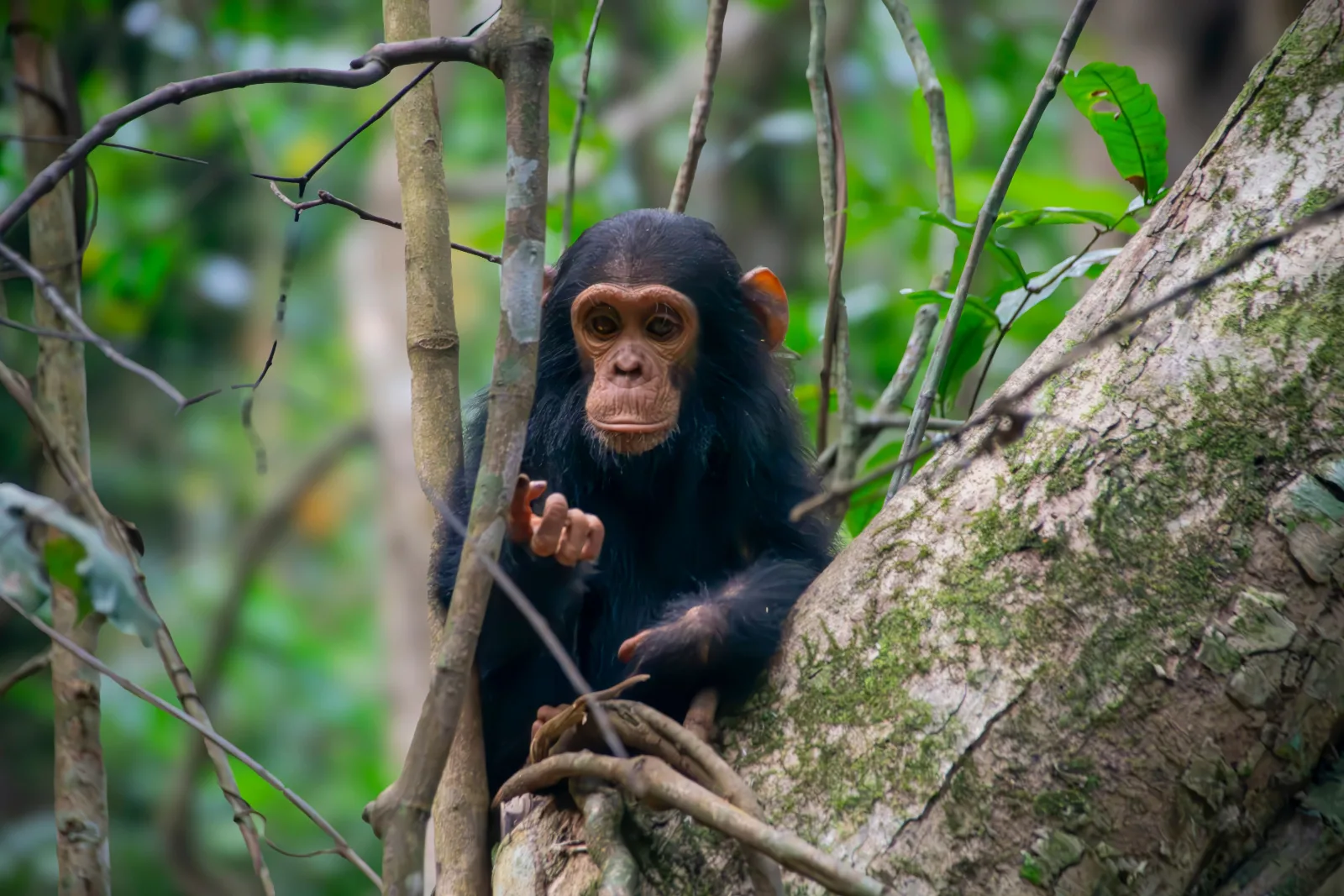
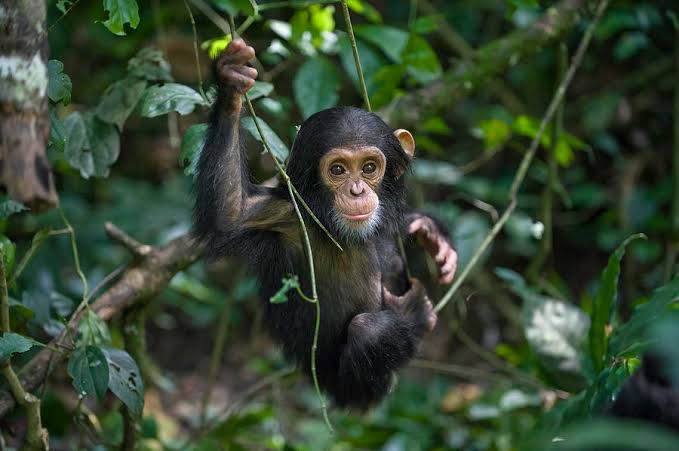
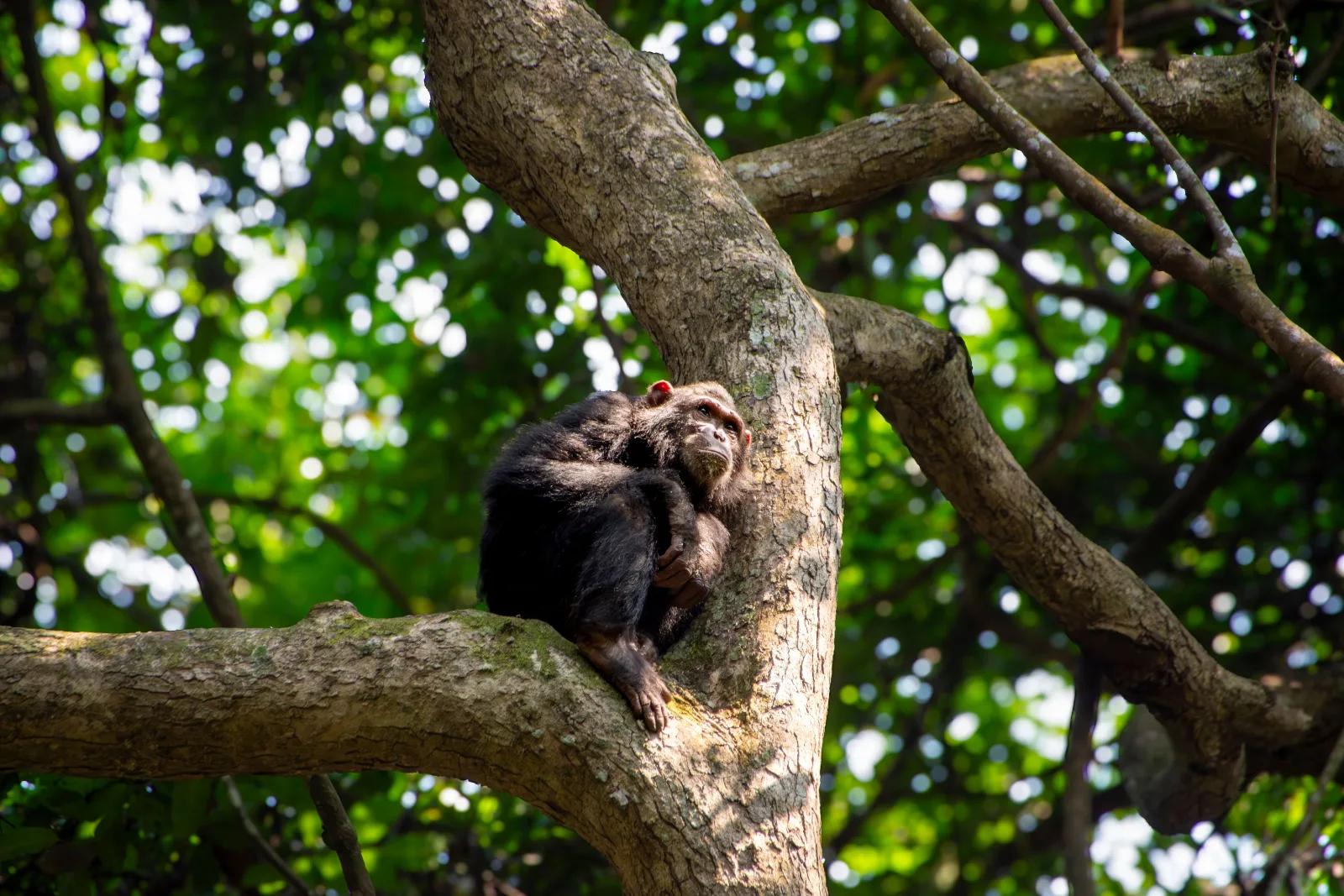
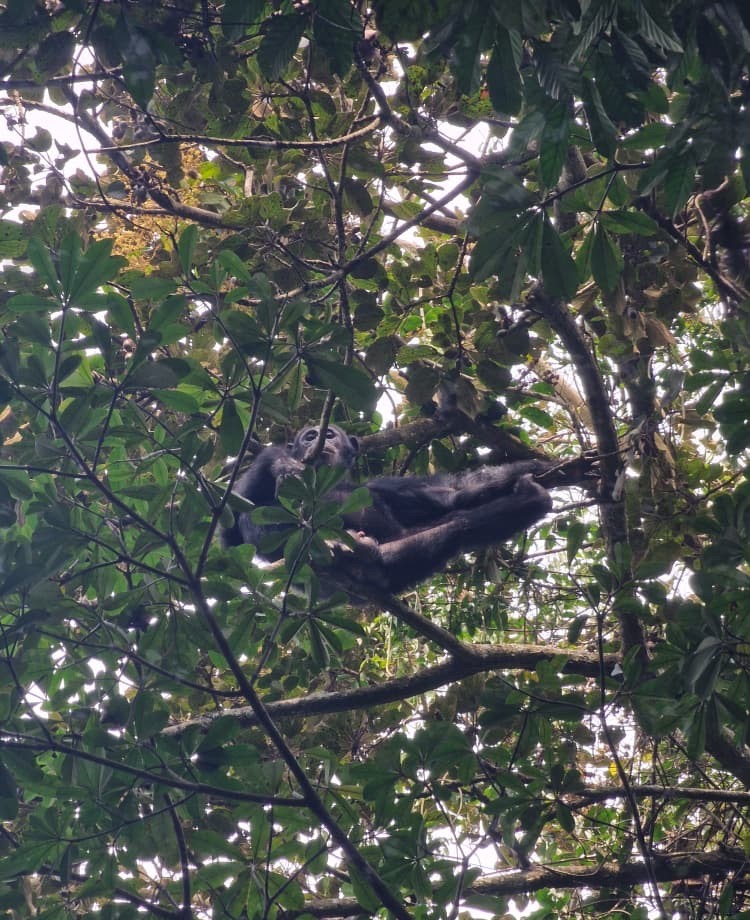
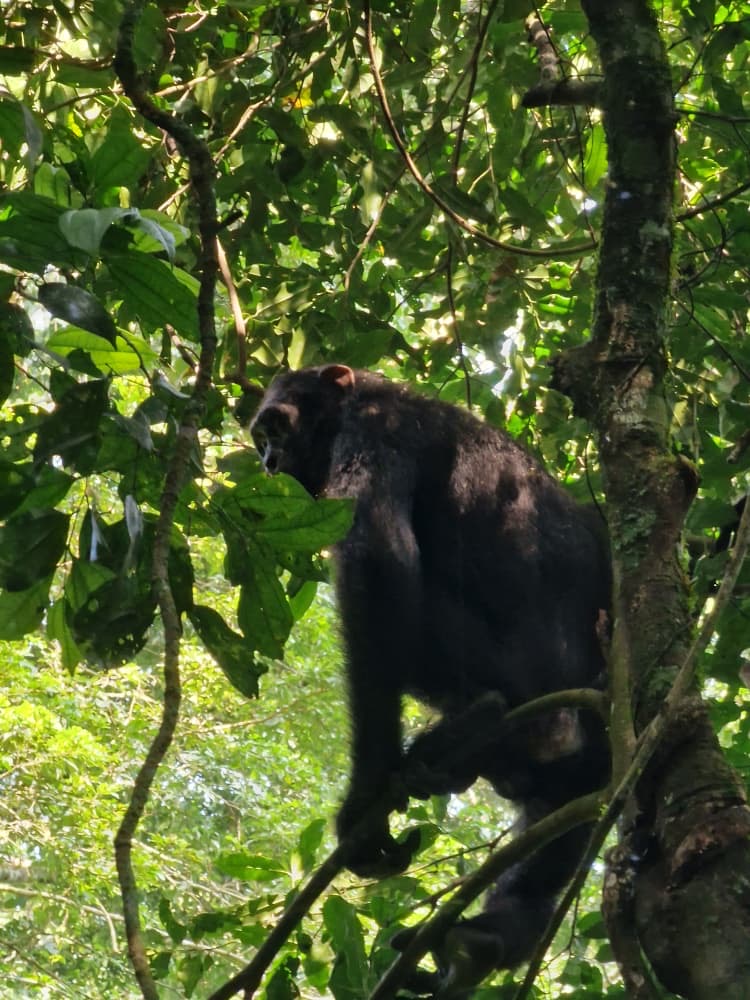
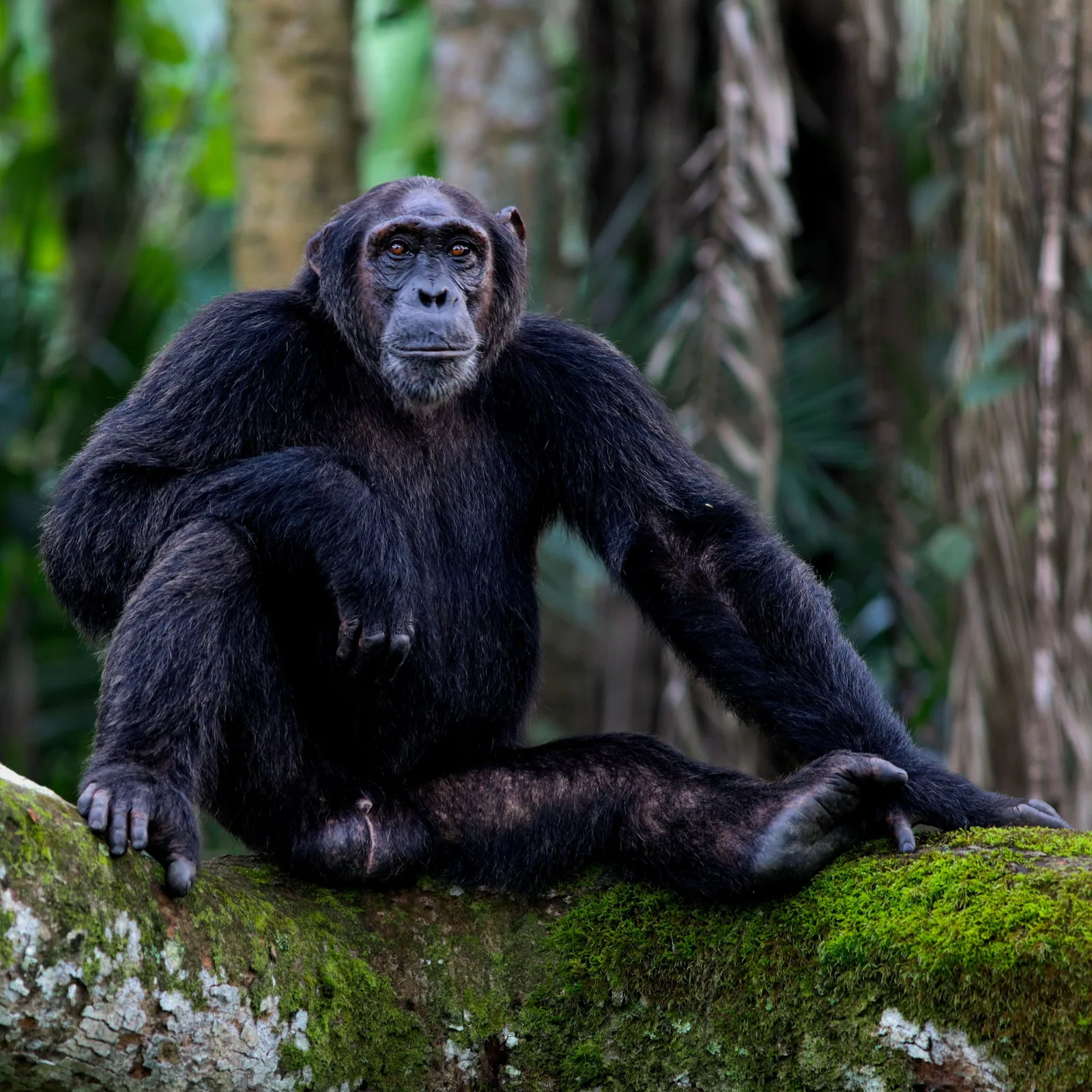
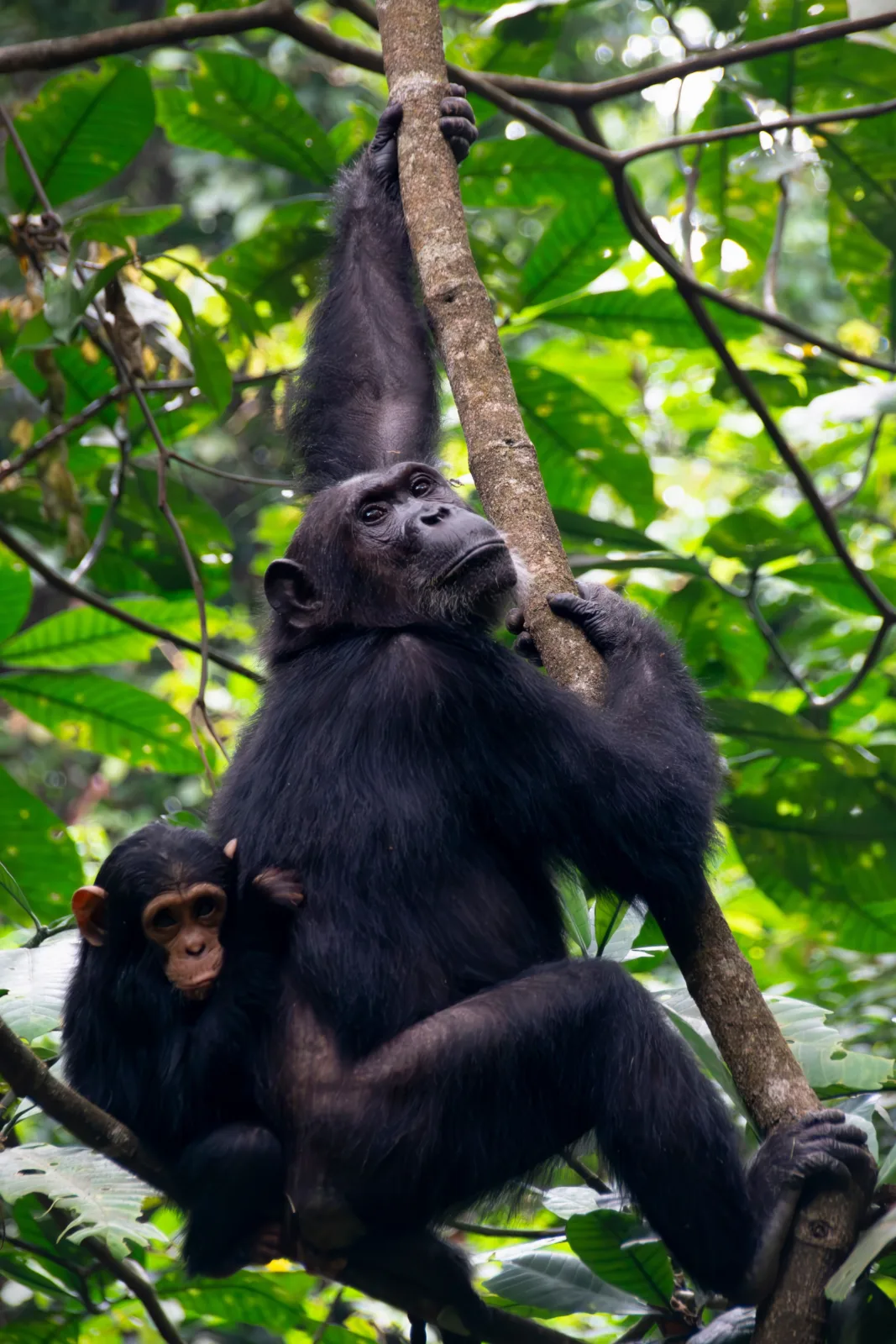
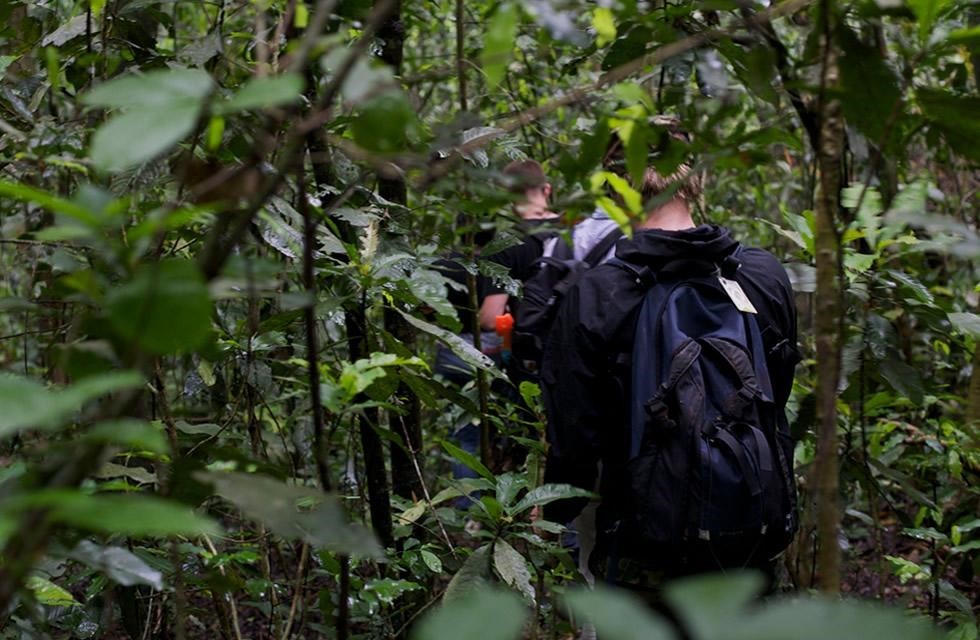
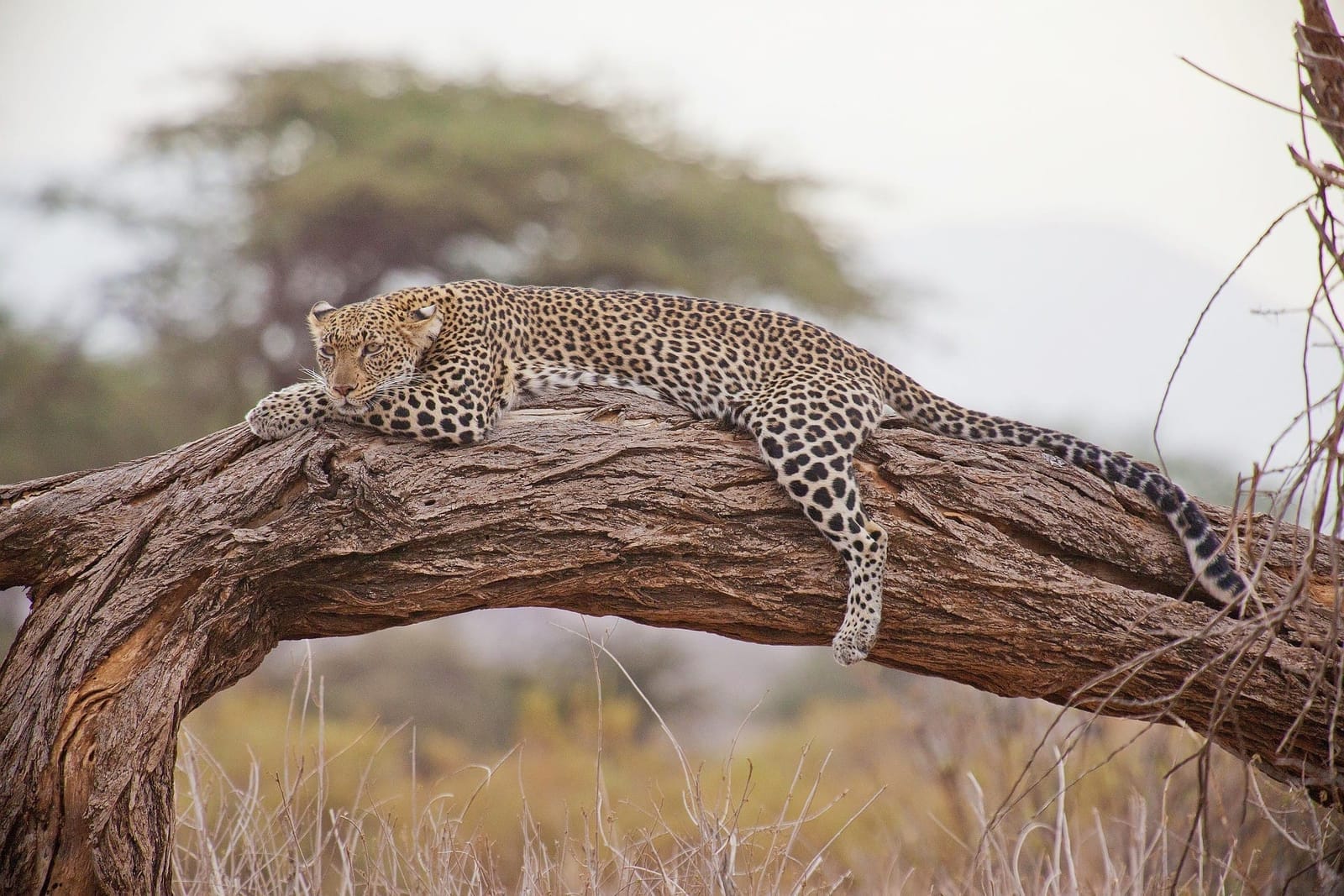
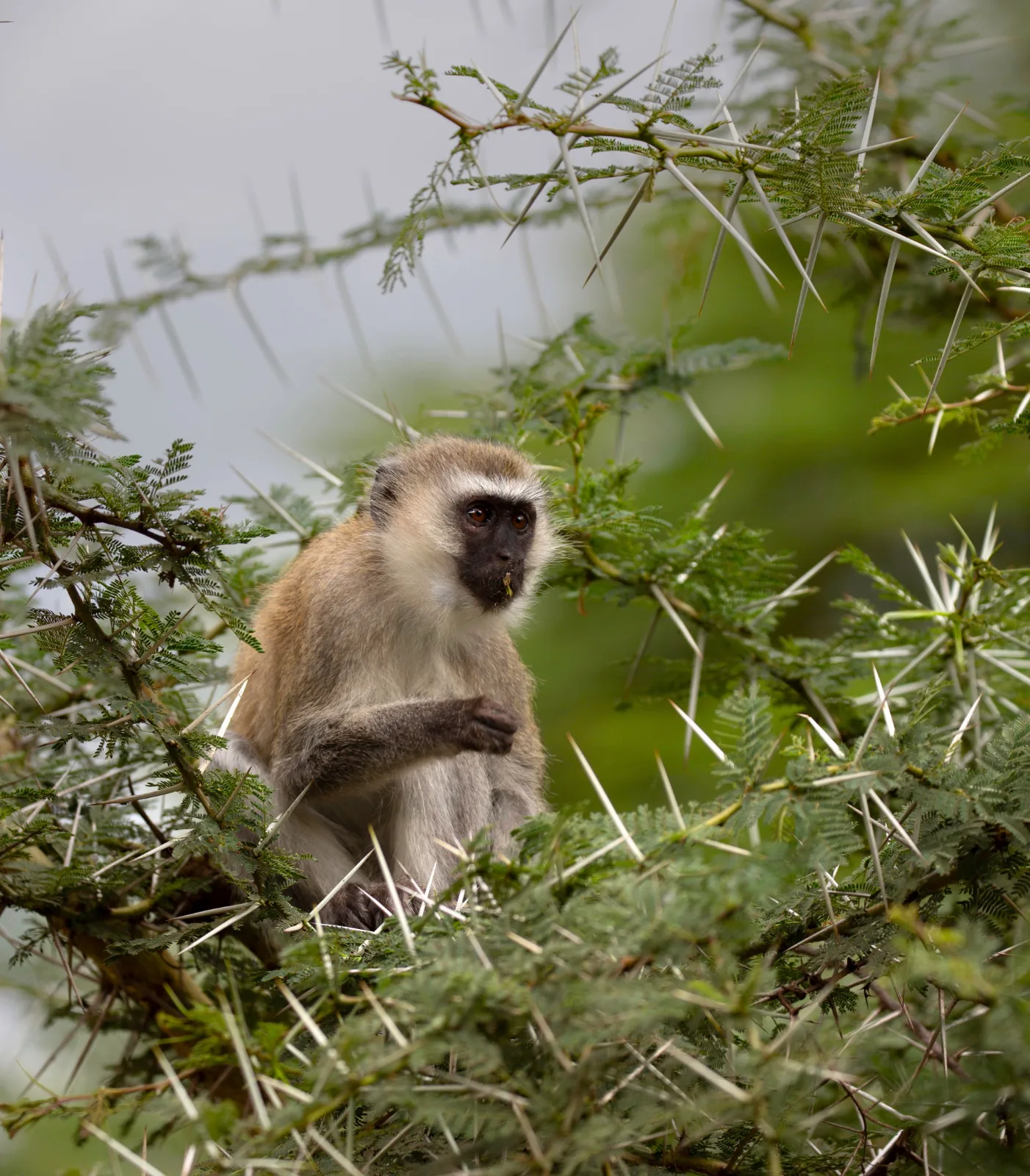
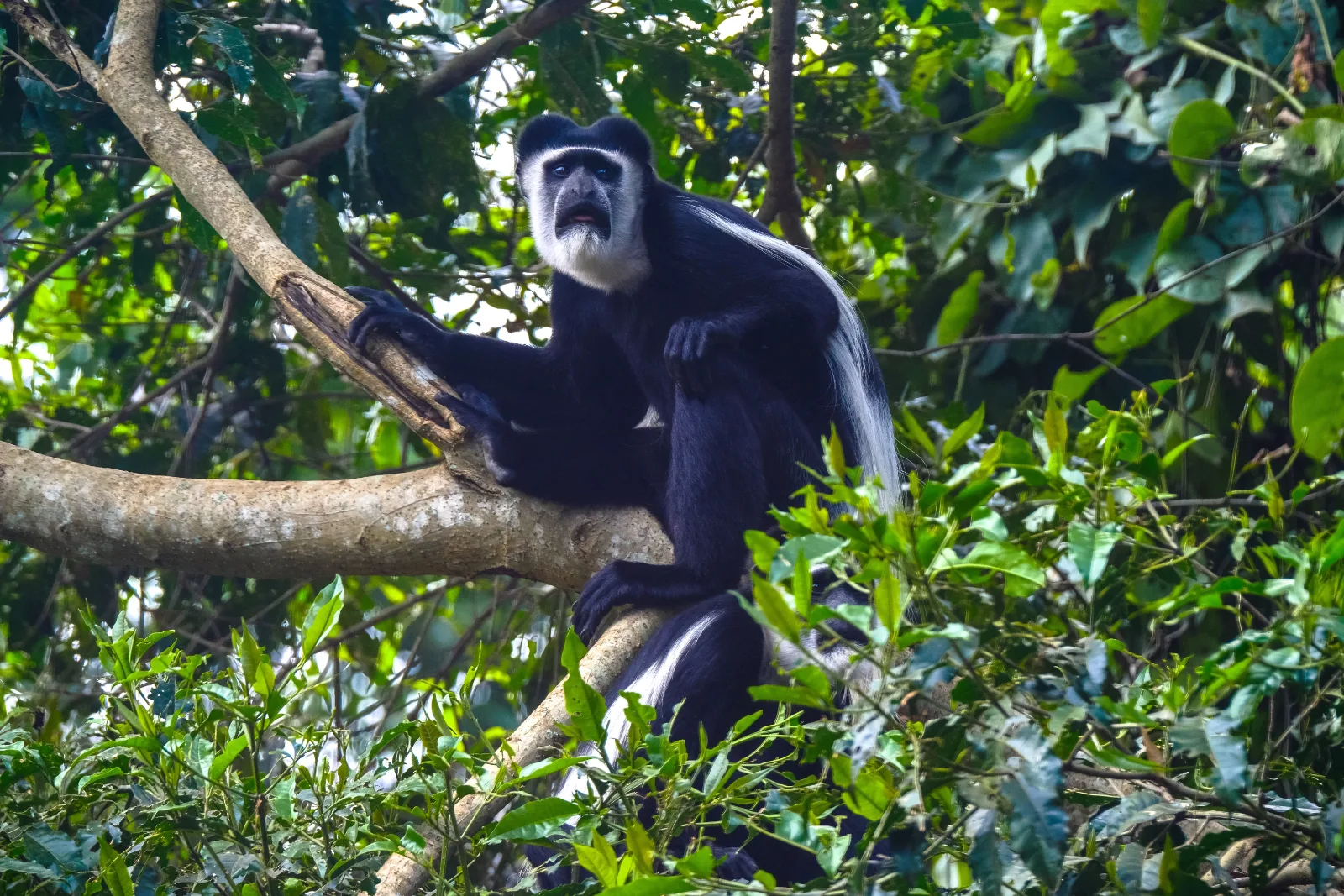
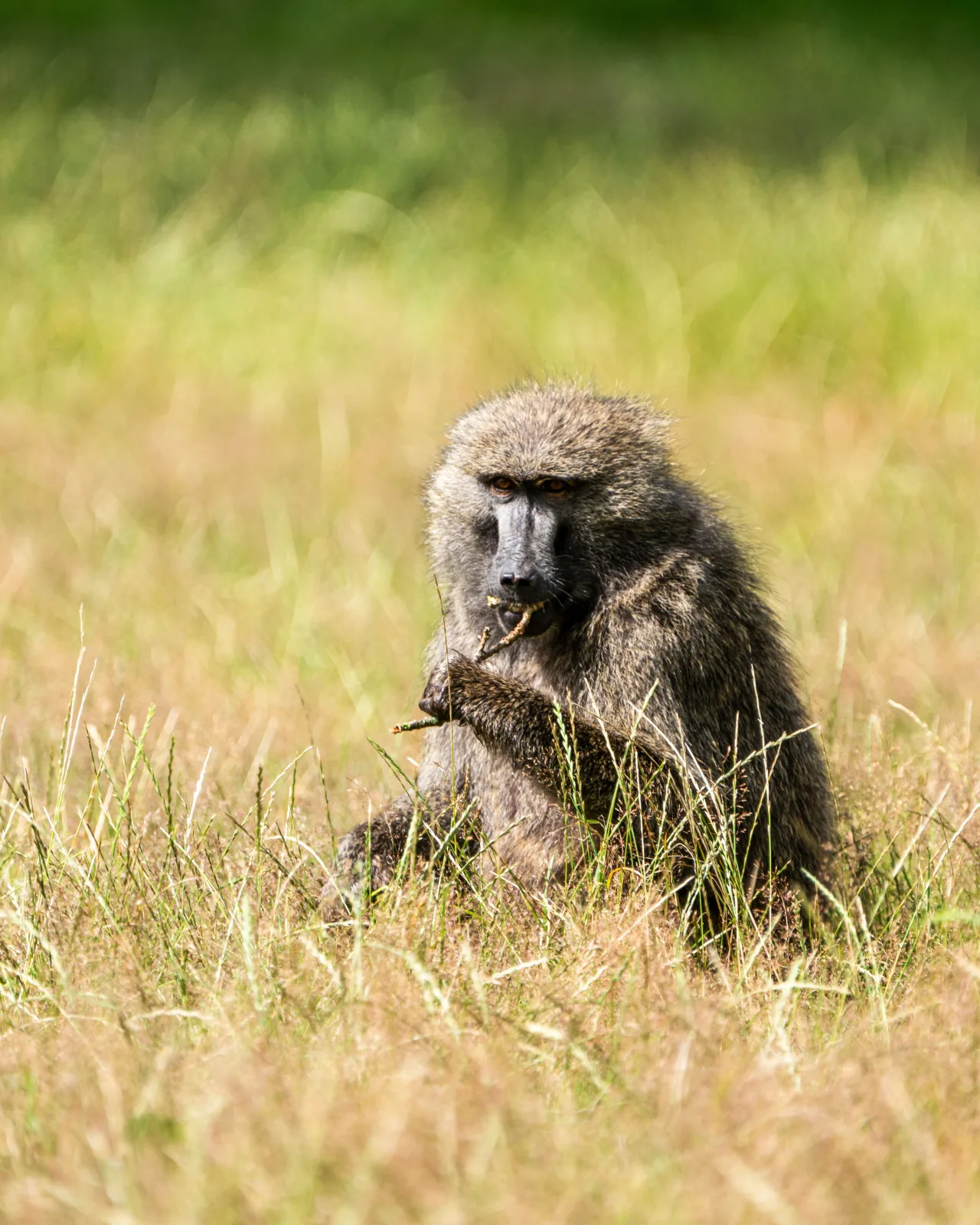
Wildlife at Budongo Forest Reserve
Frequently Asked Questions
Is Budongo a good alternative to Kibale for chimp trekking?
Yes, particularly when already on a Murchison Falls National Park itinerary. Also, Budongo's permits are usually easier to book on short notice than Kibale's.
How difficult is the hike to find the chimpanzees in Budongo Forest?
Easy to moderate. Unlike gorilla trekking in Bwindi, which involves scaling steep mountains, Budongo's terrain is relatively flat. However, you will be bushwhacking through dense vines, roots, and humid jungle conditions for 2 to 4 hours.
How do I get to Budongo Forest from Entebbe?
From Entebbe International Airport, it is a 5- to 6-hour drive (approx. 190 miles) north via Kampala and Masindi. The roads are paved up to Masindi, turning into well-maintained dirt roads as you enter the Murchison Falls conservation area.
Can I visit Budongo as a day trip?
No. While it sits on the boundary of Murchison Falls, driving from Kampala or Entebbe takes over 5 hours. It should be integrated as a 1- to 2-night stop on a broader safari to Murchison Falls National Park or Ziwa Rhino Sanctuary.
Do I need to book my tracking permit in advance?
Yes, absolutely. While Budongo is less crowded than Kibale, daily chimpanzee permits are limited to protect the primates. You should secure your permit (USD 130 for trekking / USD 230 for habituation) months in advance through your tour operator.
What is the minimum age for chimp tracking?
Children must be at least 15 years old to track chimpanzees in Budongo. This rule is strictly enforced by the Uganda Wildlife Authority to protect both children from the strenuous hike and chimps from human childhood illnesses.
What happens if we don’t find any chimpanzees during our trek?
Budongo boasts an 85% to 90% sighting success rate. Rangers track the habituated communities daily from dawn. If your group is part of the rare 10% that does not see them, UWA guides will extend the walk, but refunds on permits are not issued.
Is it safe to visit given the regional health advisories?
Yes. Budongo is completely secure from a civil standpoint, but it is a high-risk malaria zone. You must take prescription malaria prophylaxis (like Malarone or doxycycline, as according to your health provider). A Yellow Fever vaccination certificate is no longer a mandatory entry requirement at Entebbe Airport, as of October 2026.
What should I wear to protect against bugs and thorns?
Do not wear shorts or short sleeves. You need long safari pants, a long-sleeved shirt, sturdy hiking boots, and tall socks. Your guide will instruct you to tuck your pants directly into your socks to prevent safari ants (fire ants) from crawling up your legs. A high-DEET insect repellent is a must-have if you can.