
Actividad en Uganda
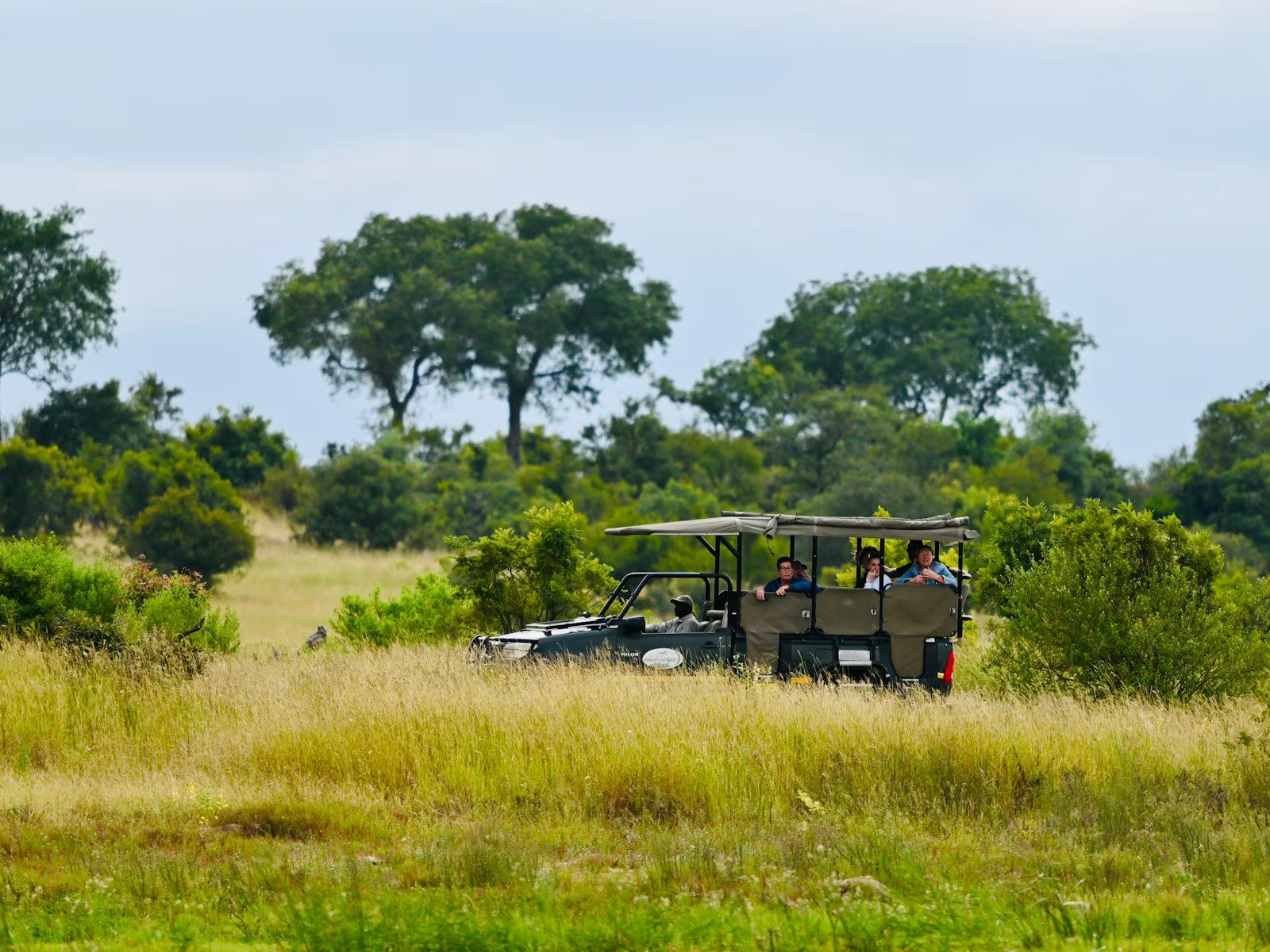
Safari en vehículo
Explora los vastos paisajes de la sabana de África Oriental en un vehículo especialmente diseñado para avistar grandes animales de caza en compañía de expertos rastreadores locales.
- ¿Qué ocurre?
Te subes a un vehículo 4x4 descapotable especializado al amanecer o al atardecer. Tu guía local, que estará a tu disposición, recorre caminos sin asfaltar, utilizando sus habilidades de rastreo para localizar leones, elefantes, leopardos y jirafas. Cuando se localiza un depredador activo o una manada numerosa, el vehículo se detiene de forma segura, lo que te permite observar comportamientos naturales, hacer preguntas detalladas y tomar fotografías nítidas.
- Cómo se siente
El aire fresco de la mañana sopla con fuerza mientras la sabana despierta. El profundo rugido del motor rompe el silencio, seguido de una quietud absoluta cuando el motor se apaga al acercarnos a la fauna salvaje. Sientes una repentina descarga de adrenalina cuando un gran felino emerge de la hierba dorada a solo unos metros de distancia. Estar en plena naturaleza es emocionante porque sabes que normalmente no estarías allí, y puedes vislumbrar la vida a la que se enfrentan los animales salvajes: cómo es realmente la «supervivencia del más apto».
- A quién va dirigido
Esta experiencia es ideal para personas de todas las edades, familias, parejas y personas que deseen observar la fauna sin necesidad de desplazarse mucho.
- Es bueno saberlo
Vístete con colores neutros, como el caqui o el verde, para mimetizarte con el entorno. Llévate una chaqueta ligera para las mañanas frías, unos prismáticos y una mascarilla antipolvo si viajas durante la estación seca. La mayoría de los recorridos en coche duran entre tres y cuatro horas dentro de los parques nacionales protegidos.
Safaris con Safari en vehículo
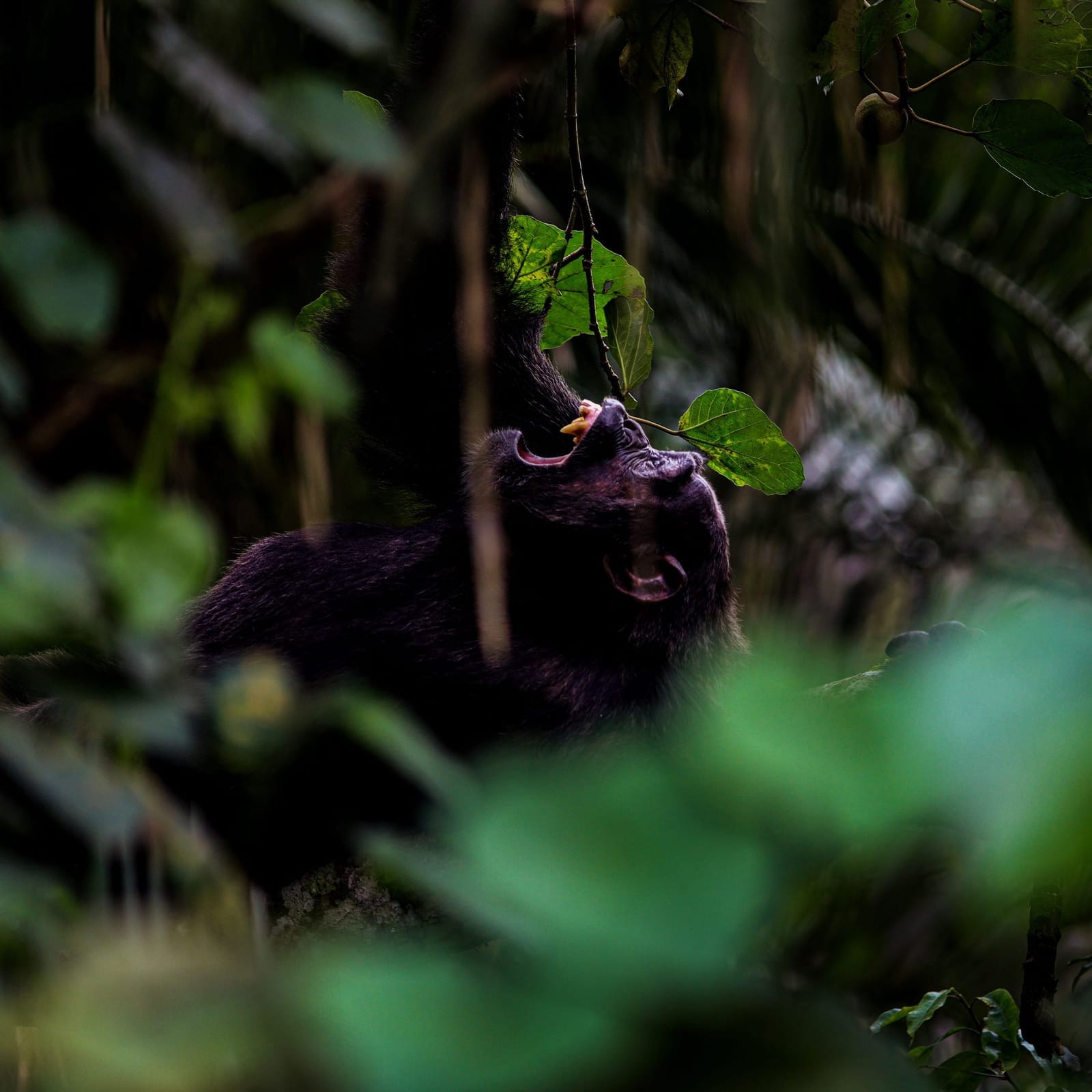
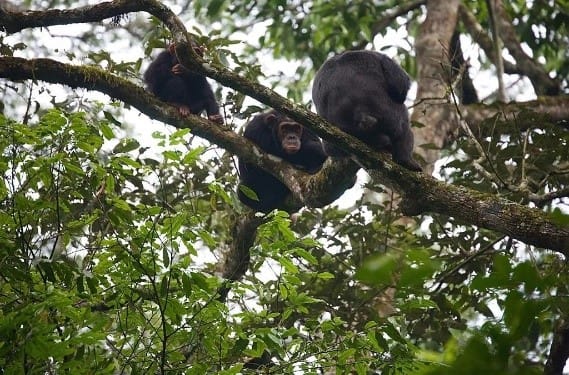
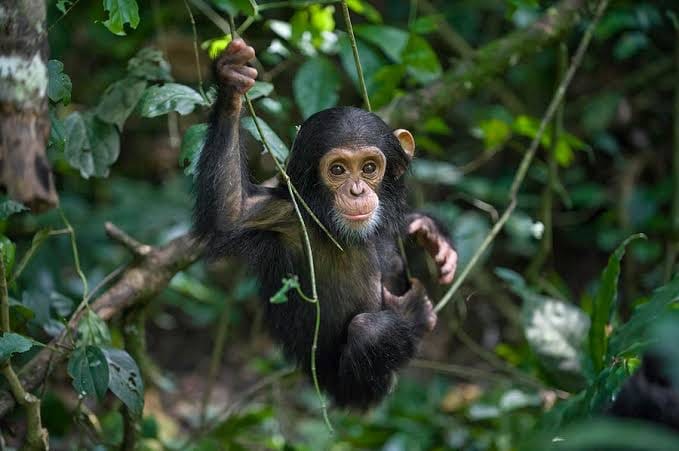
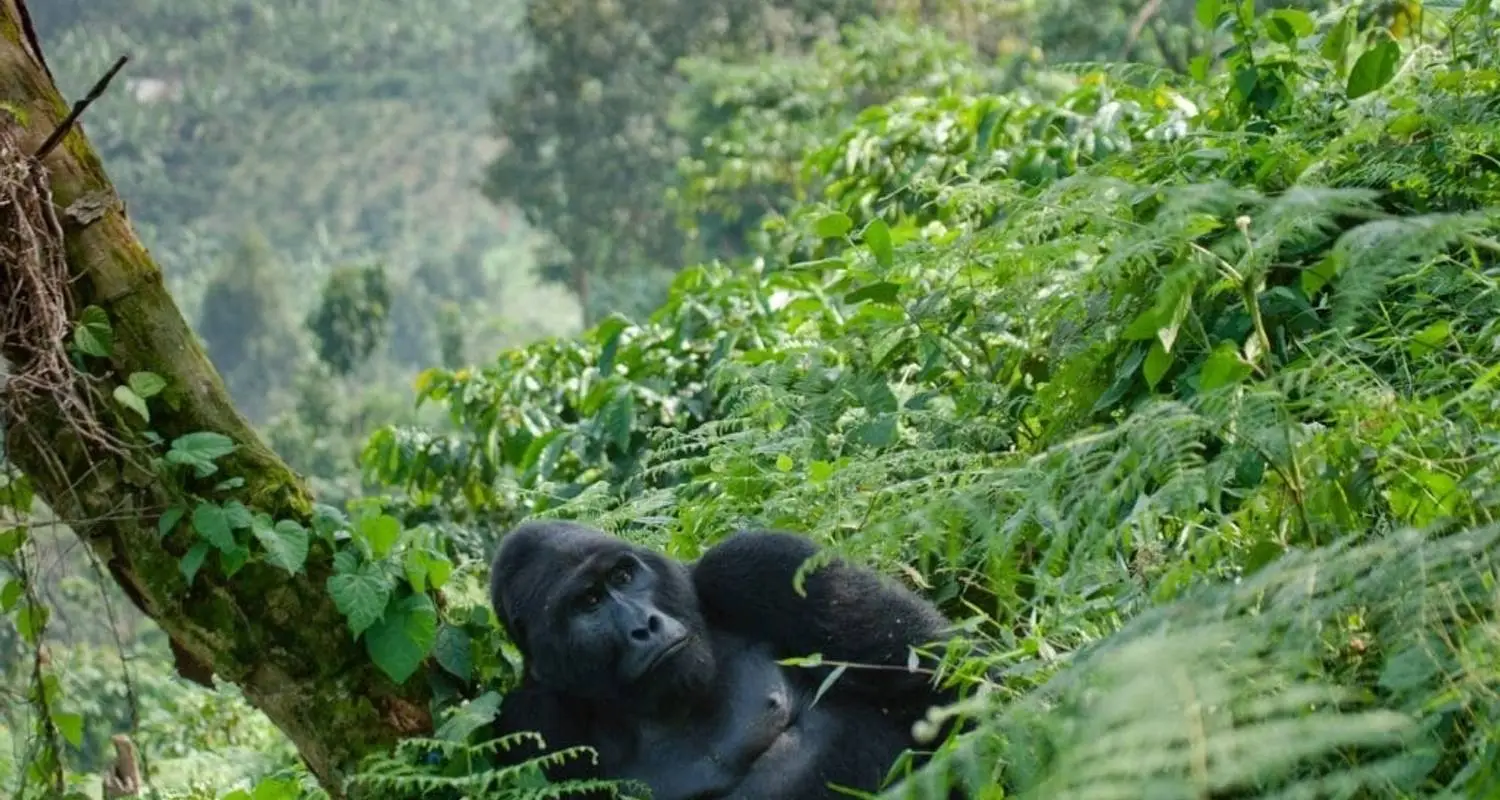
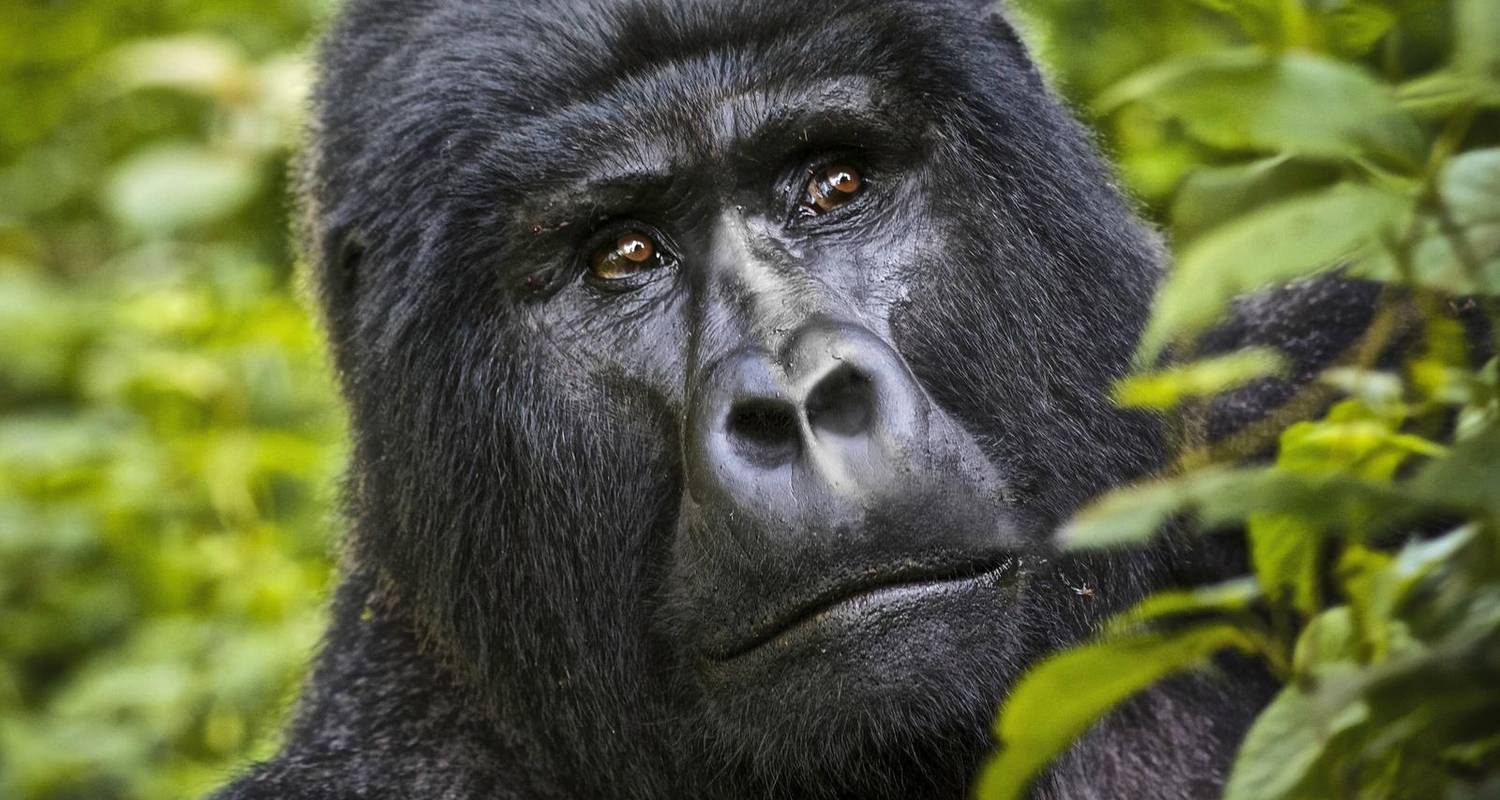
«Los primates de la Tierra» (5 días)
Este viaje te ofrecerá todo lo que deseas experimentar y aprender sobre los primates.
4600 € Guardar 5%
4370 € por persona
Dónde hacerlo Safari en vehículo en Uganda
Murchison Falls National Park
Murchison Falls National Park is Uganda's largest and oldest national park, centered on the Nile River as it forces its way through a narrow, 7-meter-wide gorge to form the world's most powerful waterfall: Murchison Falls. The Victoria Nile bisects the park into two distinct ecosystems: the open, game-rich northern savanna and the dense southern tropical woodlands. President Idi Amin temporarily renamed it Kabalega National Park in honor of King Kabalega of the Bunyoro Kingdom before it was reverted to Murchison Falls. While four of the "Big Five" (elephants, lions, leopards, and buffaloes) can be seen in the park, the rhinos are not here and can instead be tracked on foot at the Ziwa Rhino Sanctuary, south of the park. In addition, the southern edge of Murchison Falls National Park encompasses Budongo Forest, which protects a large community of habituated chimpanzees and extensive mahogany trees.
Lake Mburo National Park
If you're used to parks being big, Lake Mburo will change your perspective on a wildlife sanctuary. At just 370 square kilometers (about 1.5 times larger than Kampala capital city in surface area), Uganda’s smallest savannah park has extreme ecological density, with acacia woodland and open grassland surrounding five distinct lakes, the largest of which, Lake Mburo itself, gives the park its name and its boat safaris. The absence of elephants here allows thick acacia forests to thrive, creating a woodland dynamic that feels more like a secluded maze of greenery than an open plains wilderness. Lake Mburo National Park is not just Uganda's smallest savannah park, but it's also the closest one to Kampala, reached in roughly 3.5 to 4 hours by road, which makes it the country's go-to stop for travelers short on time or breaking up the long drive southwest to Bwindi. Because dense acacia woodlands grow unchecked here due to lack of elephants, it creates an ideal, low-competition ecosystem for Uganda’s highest concentration of leopards. The park's 1983 creation under the Obote regime weaponized conservation to evict indigenous Banyankole Bahima pastoralists, triggering a violent 1985 local uprising that completely dismantled the early park infrastructure.
Kidepo Valley National Park
Kidepo Valley National Park is Uganda’s most remote and beautiful savanna wilderness, spanning 1,442 square kilometers in the extreme northeastern Karamoja region. Bordering South Sudan and Kenya, the park features a dramatic landscape dominated by the Narus and Kidepo valleys, flanked by the soaring Mount Morungole and rugged mountain ranges. Because it is isolated, it receives a fraction of the tourists found in western Uganda, providing an exclusive, untamed safari atmosphere reminiscent of Africa fifty years ago. The park protects a diverse ecosystem of montane forests and semi-arid savanna grasslands. It is home to 86 mammal species and over 460 bird species, including many found nowhere else in the country.
Toro-Semliki Wildlife Reserve
Toro-Semliki Wildlife Reserve sits on the floor of the Albertine Rift in western Uganda, between the Rwenzori foothills and Lake Albert, directly adjacent to Semuliki National Park's rainforest. Its drier savannah and borassus palm woodland give it a genuinely different look from the forests around it, and its Semliki River frontage is one of the best places in the region to watch crocodile.
Katonga Wildlife Reserve
Katonga Wildlife Reserve follows the Katonga River and its wetlands between Lake Mburo and Kibale, in a flatter, less-visited stretch of western Uganda. It functions as an elephant corridor linking the Queen Elizabeth ecosystem to the north, and its papyrus swamps hold one of Uganda's more accessible sitatunga antelope populations.
Kabwoya Wildlife Reserve
Kabwoya Wildlife Reserve sits on the eastern shore of Lake Albert in Hoima's Kikuube district, a compact savannah reserve best known for its Rothschild's giraffe and its sunset views over the lake toward the Congo escarpment on the far shore.
Matheniko Wildlife Reserve
Matheniko Wildlife Reserve lies in Karamoja's Moroto district, a remote semi-arid savannah bordering Pian Upe and Bokora Corridor as part of the same dry-country ecosystem. It sits beneath Mount Moroto and is as much a window into Karamojong pastoralist life as a wildlife destination.
Pian Upe Wildlife Reserve
Pian Upe Wildlife Reserve is Uganda's second-largest protected area, a semi-arid stretch of Karamoja savannah covering roughly 2,788 square kilometers between Mount Elgon and Kidepo Valley. It holds Uganda's only confirmed cheetah range and some of the country's last roan antelope, ostrich, and Bright's gazelle populations, in a landscape far drier and more open than the western parks.
Bugungu Wildlife Reserve
Bugungu Wildlife Reserve runs along the Lake Albert escarpment on Murchison Falls National Park's southwestern edge, giving it some of the most dramatic rift-valley views in the Murchison ecosystem, looking down over the lake from the escarpment rim toward the Congo side of the valley floor.
Queen Elizabeth National Park
Queen Elizabeth National Park is Uganda's most visited savannah park, famous for tree-climbing lions in the Ishasha sector, the Kazinga Channel boat cruise between Lake Edward and Lake George, and chimpanzee tracking in Kyambura Gorge, known locally as the Valley of Apes.