Uganda National Park
Lake Mburo National Park
Local expert: Enoch, Huko Safaris
Last updated October 22, 2026
- Best Time to Visit
- Jun - Sep, Dec - Feb
- How Long to Stay
- 1-2 nights
- Type
- national park
If you're used to parks being big, Lake Mburo will change your perspective on a wildlife sanctuary. At just 370 square kilometers (about 1.5 times larger than Kampala capital city in surface area), Uganda’s smallest savannah park has extreme ecological density, with acacia woodland and open grassland surrounding five distinct lakes, the largest of which, Lake Mburo itself, gives the park its name and its boat safaris. The absence of elephants here allows thick acacia forests to thrive, creating a woodland dynamic that feels more like a secluded maze of greenery than an open plains wilderness.
Lake Mburo National Park is not just Uganda's smallest savannah park, but it's also the closest one to Kampala, reached in roughly 3.5 to 4 hours by road, which makes it the country's go-to stop for travelers short on time or breaking up the long drive southwest to Bwindi.
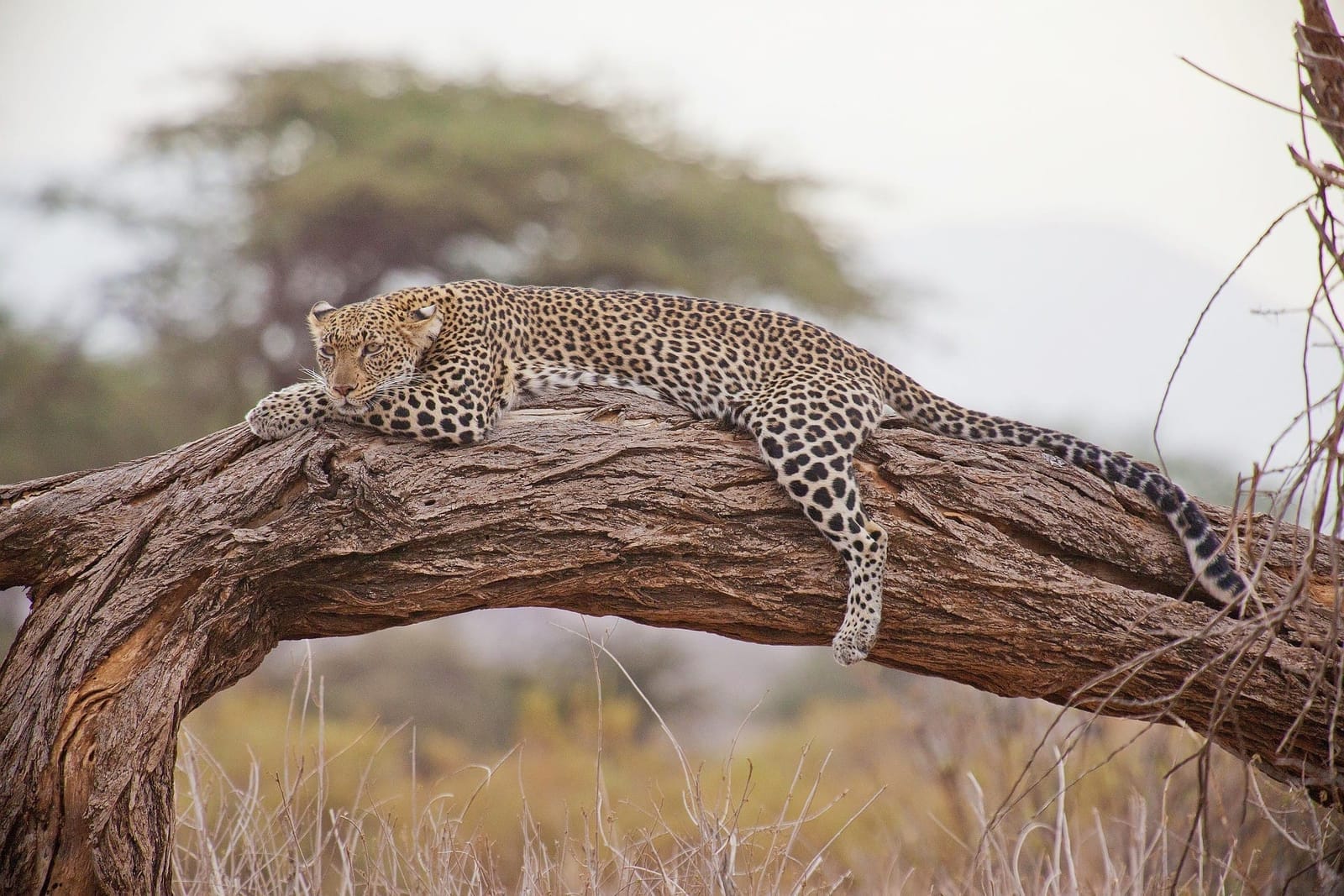
Because dense acacia woodlands grow unchecked here due to lack of elephants, it creates an ideal, low-competition ecosystem for Uganda’s highest concentration of leopards.
The park's 1983 creation under the Obote regime weaponized conservation to evict indigenous Banyankole Bahima pastoralists, triggering a violent 1985 local uprising that completely dismantled the early park infrastructure.
Why Lake Mburo National Park
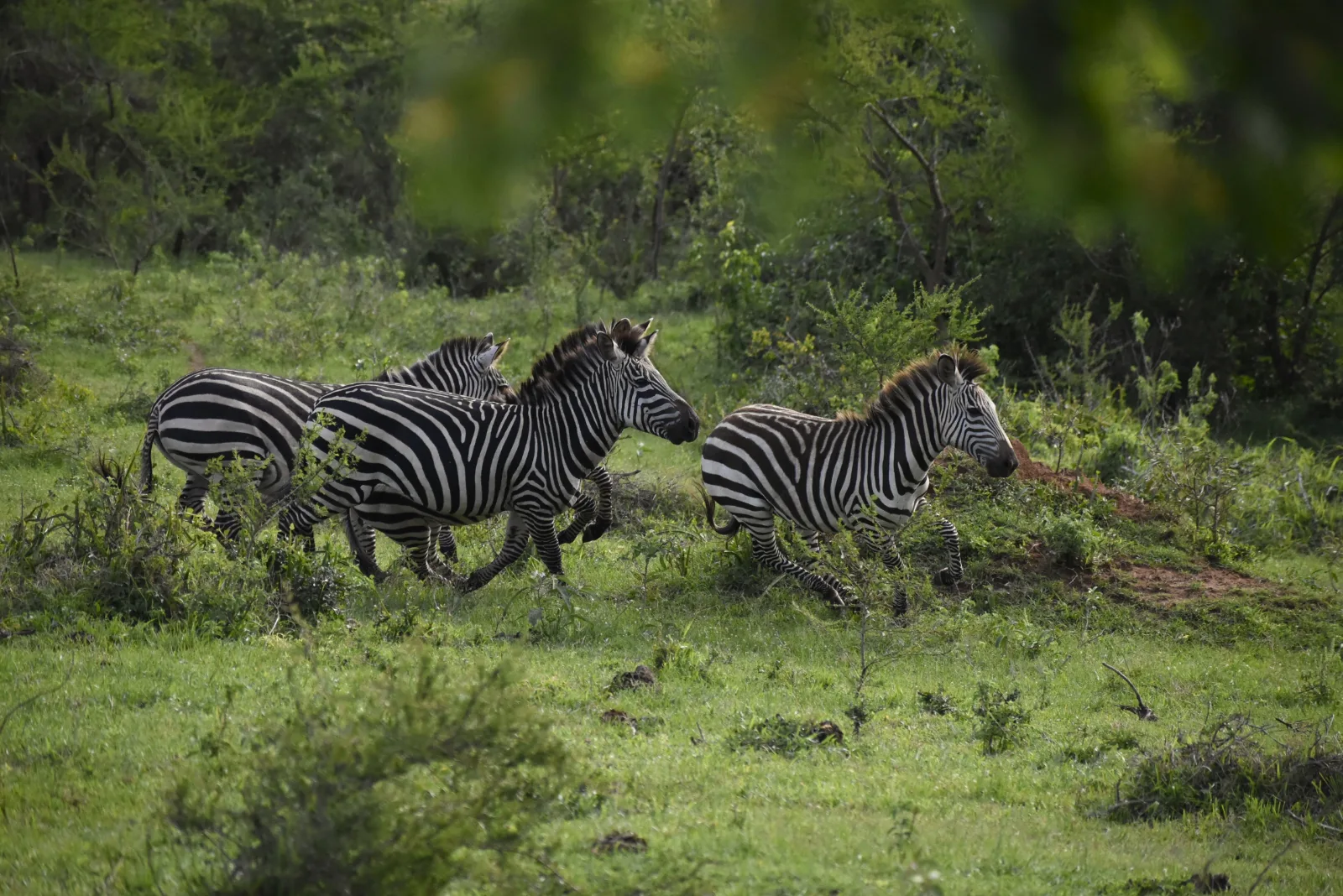
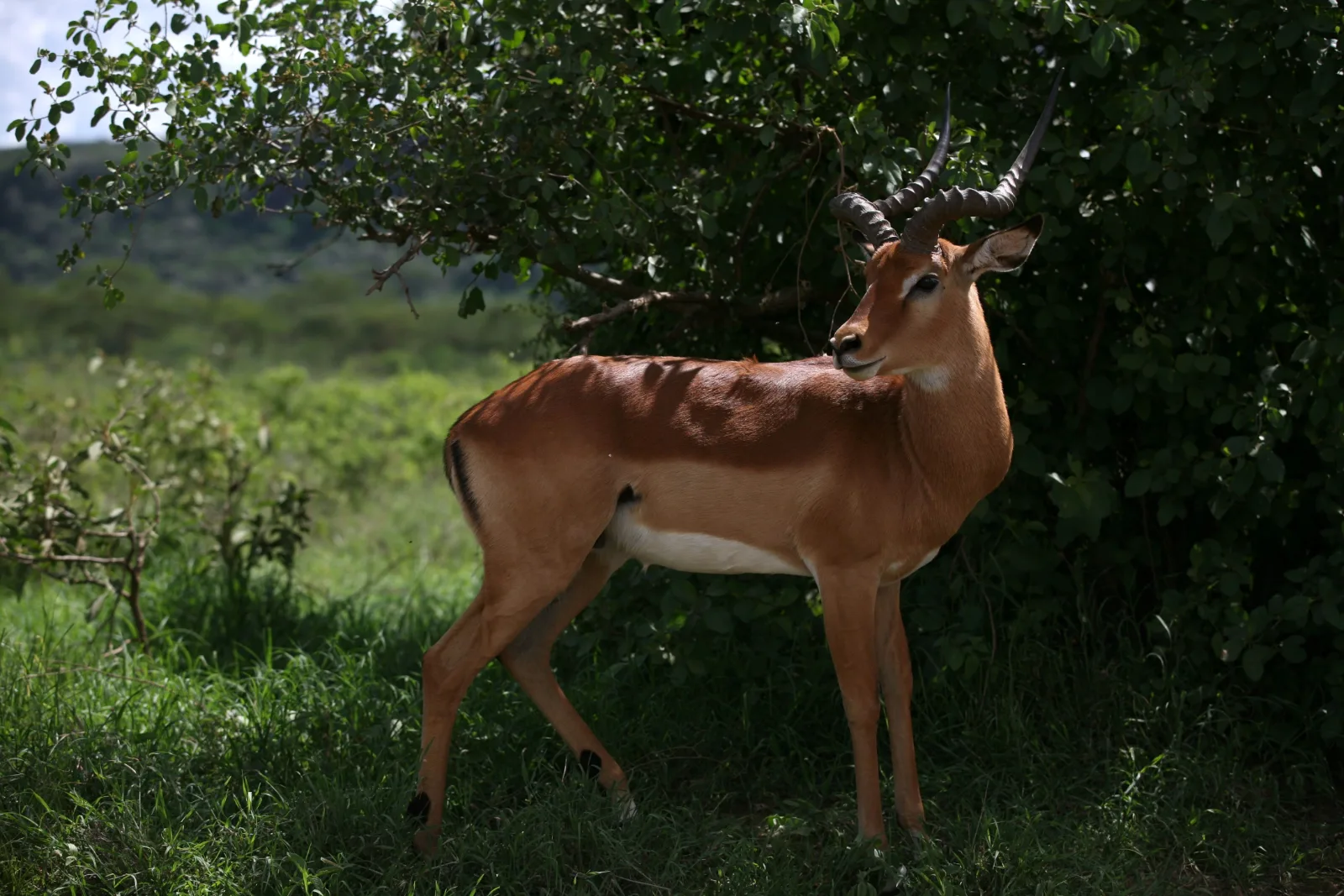
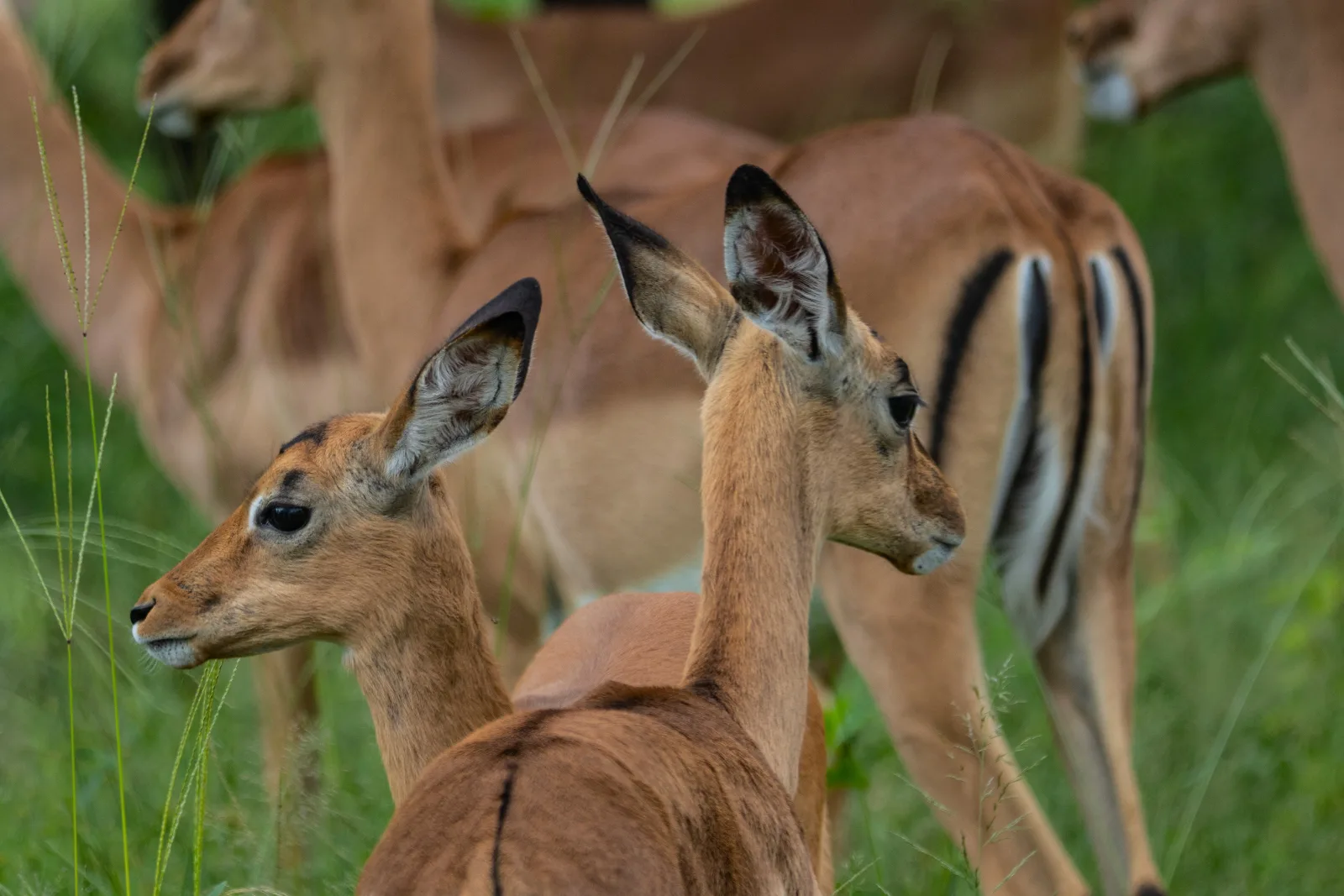
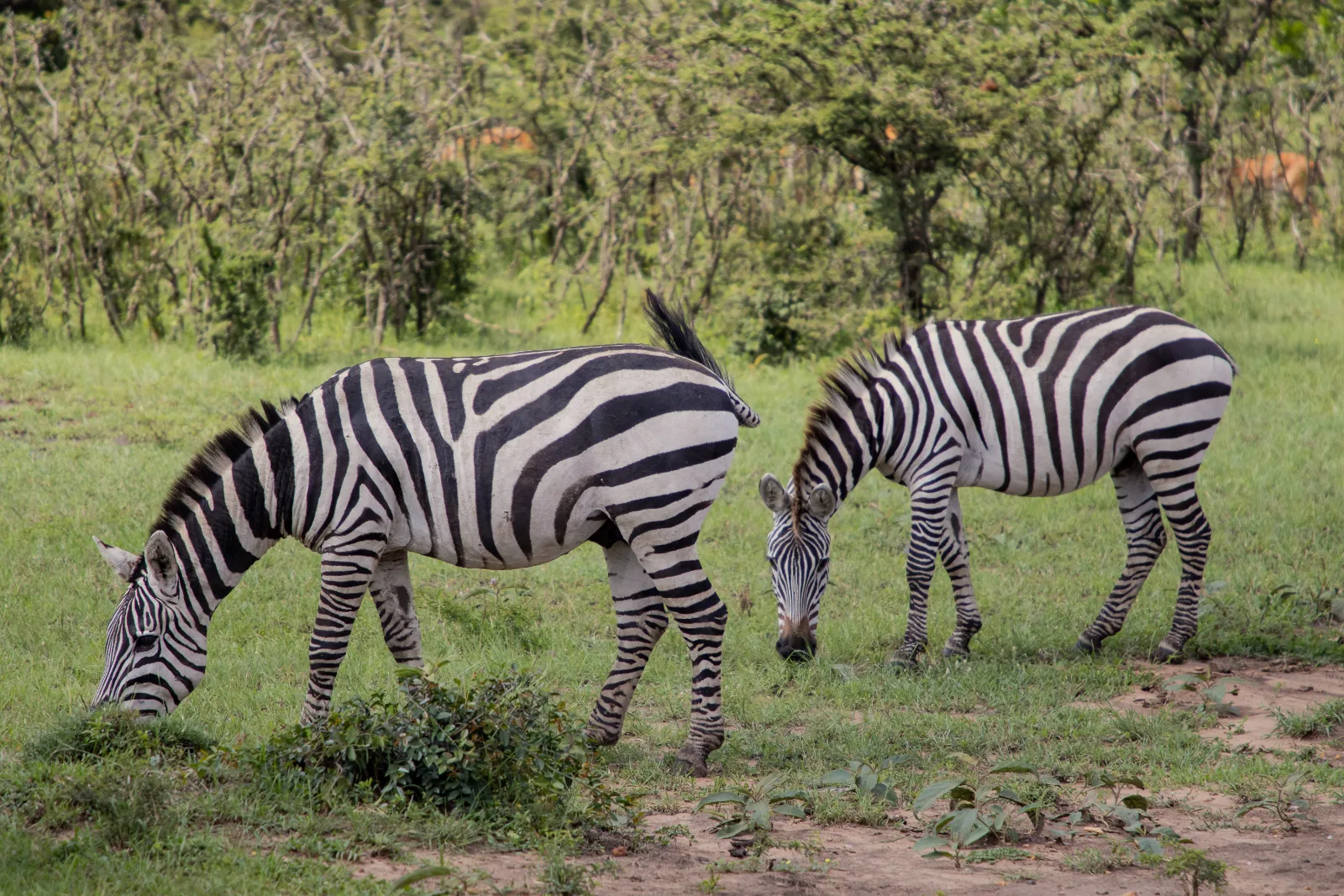
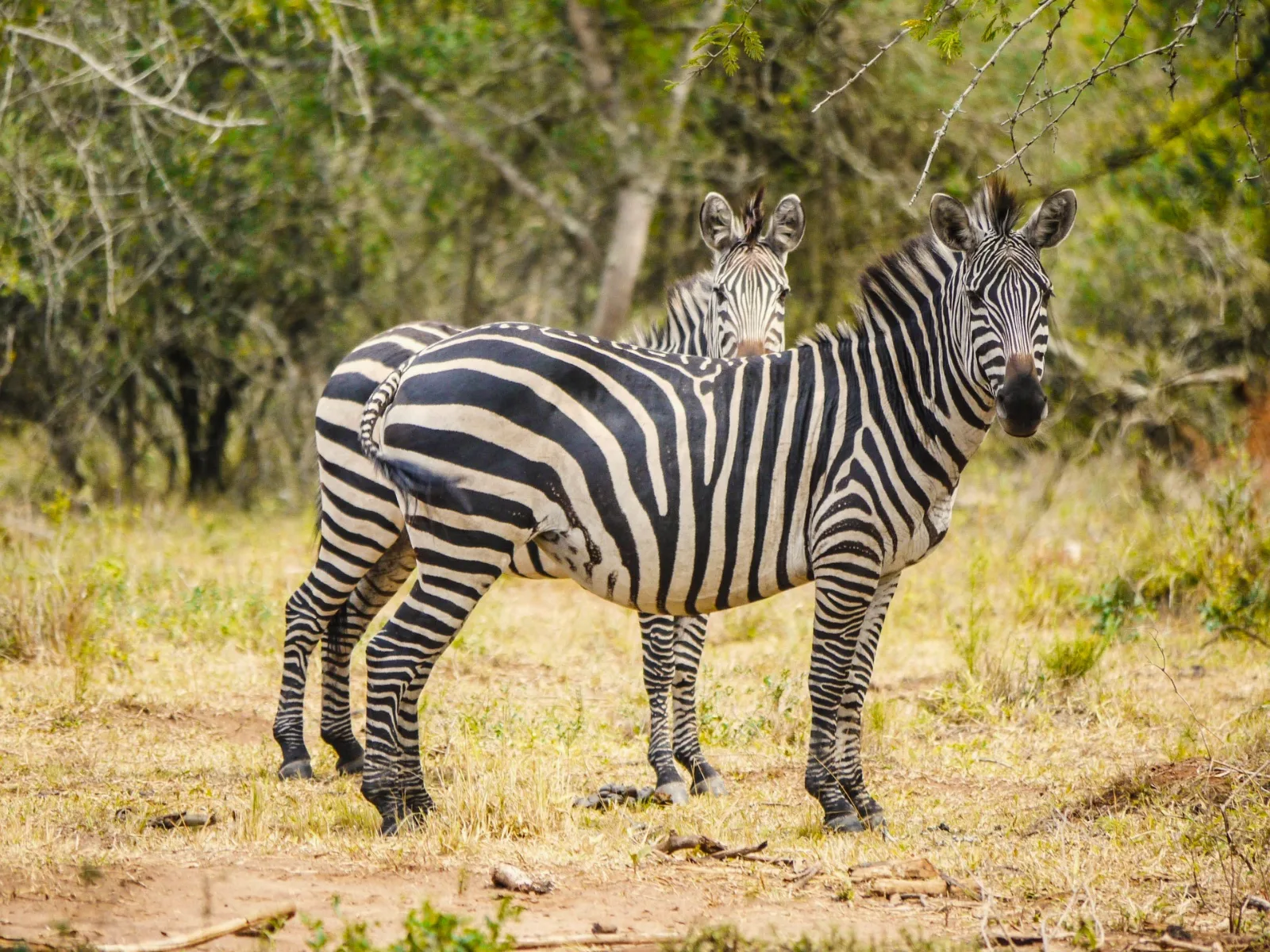
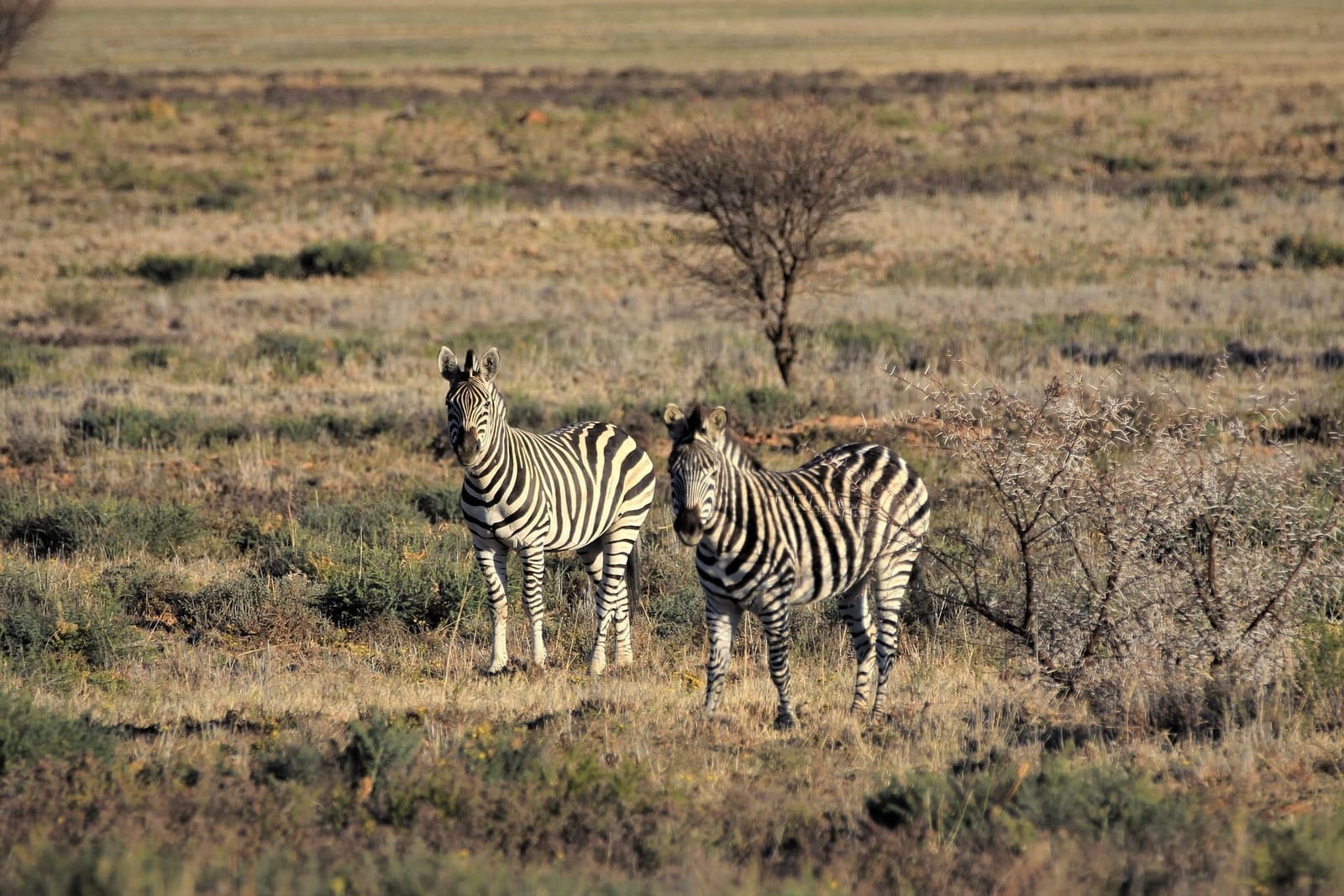
Choosing Lake Mburo over Uganda’s larger reserves, like Murchison Falls or Queen Elizabeth, makes strategic sense if you want to avoid long, exhausting travel times and see wildlife outside a safari vehicle. Just four hours from Kampala along the paved western highway, it is a highly accessible stop that breaks up the grueling journey to Bwindi Impenetrable Forest. Because the park is entirely free of elephants and lions, it holds a legal monopoly on open-air tracking flexibility, allowing you to mountain bike, hike, or ride horses directly alongside grazing herds of impalas and zebras.
Furthermore, its massive concentration of leopards means that evening spotlight drives yield far more predictable sightings of these solitary predators than the vast, competitive territories of larger national parks.
From our team
I recommend booking a dedicated break here rather than treating the basin as a brief roadside stop on the way to the western gorilla forests. Lake Mburo National Park is a place where you learn about centuries of Ankole royal history and track savannah wildlife simultaneously. By skipping the traditional, closed-vehicle format, you will experience the wilderness from an entirely different physical perspective, and that gives a completely different feeling.
— Enoch, Huko Safaris
Planning Your Visit
- Best Time to Visit
The dry months of June through September and mid-December through February give the clearest game viewing, when animals cluster around the remaining water sources and the grass is short enough to spot zebra and eland from a distance. The dry season is also ideal for activities like cycling in the park and walking safaris.
The wet season (March-May, October-November) still allows a boat cruise and most game drives, just with thicker grass and muddy tracks.
- How Long to Stay
One night is enough for a boat cruise and a single game drive; two nights allow for cycling in the park, a horseback safari, and a Rubanga Forest walk as well.
- What It's Known For
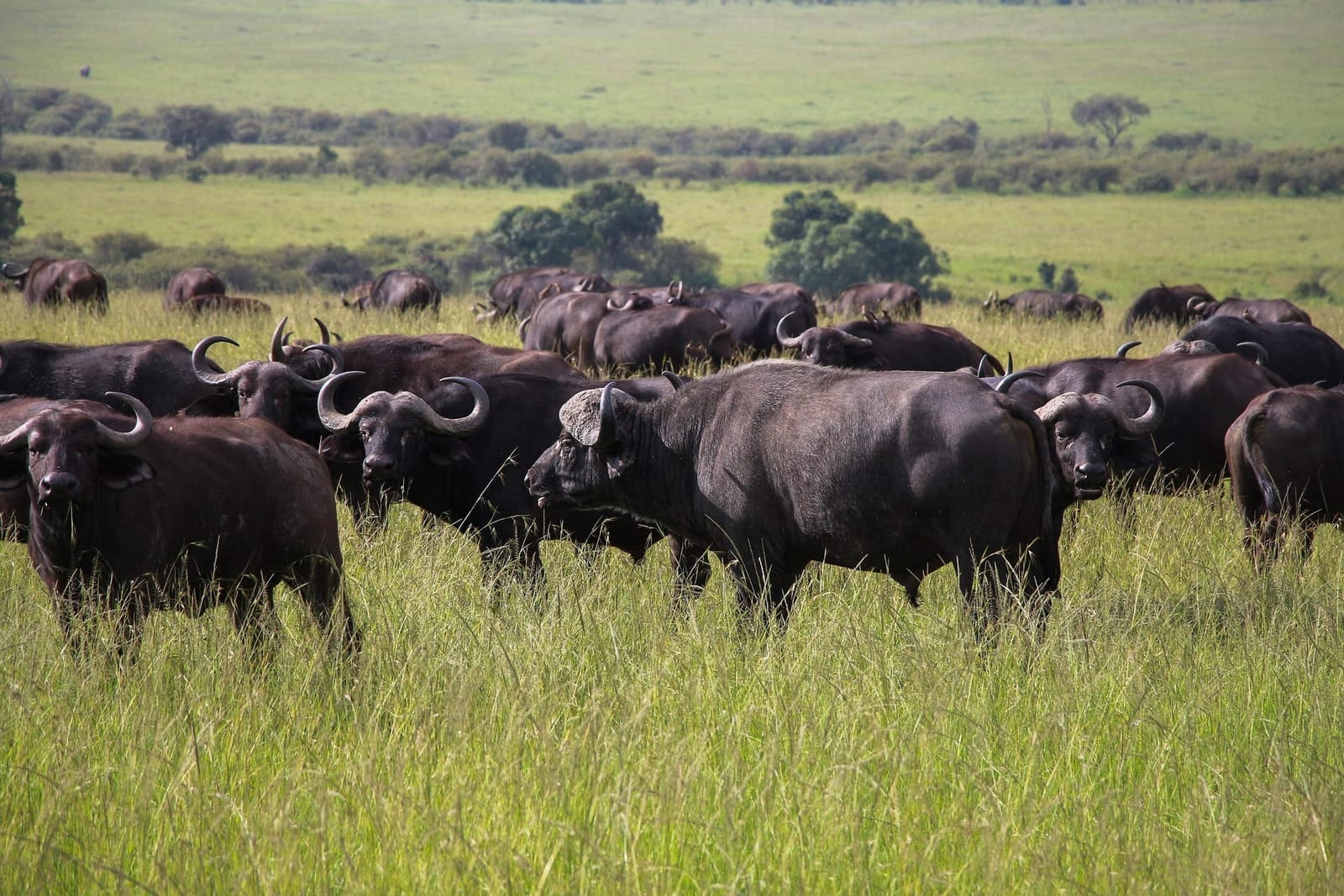
Lake Mburo National Park is the only Ugandan national park with zebras and impalas present in real numbers, alongside elands, topis, buffaloes, and over 350 recorded bird species around its wetland fringes.
- Major Attractions
The major attractions of Lake Mburo National Park stem directly from its predatory anomalies, allowing you to swap vehicles for open-air exploration formats like horseback tracking and mountain biking across the acacia ridges. On foot, armed rangers guide trackers to highly localized geological features like the natural mud salt licks, where wildlife species gather to supplement mineral deficiencies caused by the underlying Precambrian rock shelf.
The prominent thirteen-square-kilometer freshwater basin provides a specialized boat circuit along the papyrus fringes, offering the most consistent opportunity in East Africa to document secretive aquatic specialists like the African finfoot alongside coexisting otter populations and high concentrations of hippos.
The Rubanga Forest trail is one of the better spots in Uganda for forest birding outside the big western parks.
- Don't Miss This
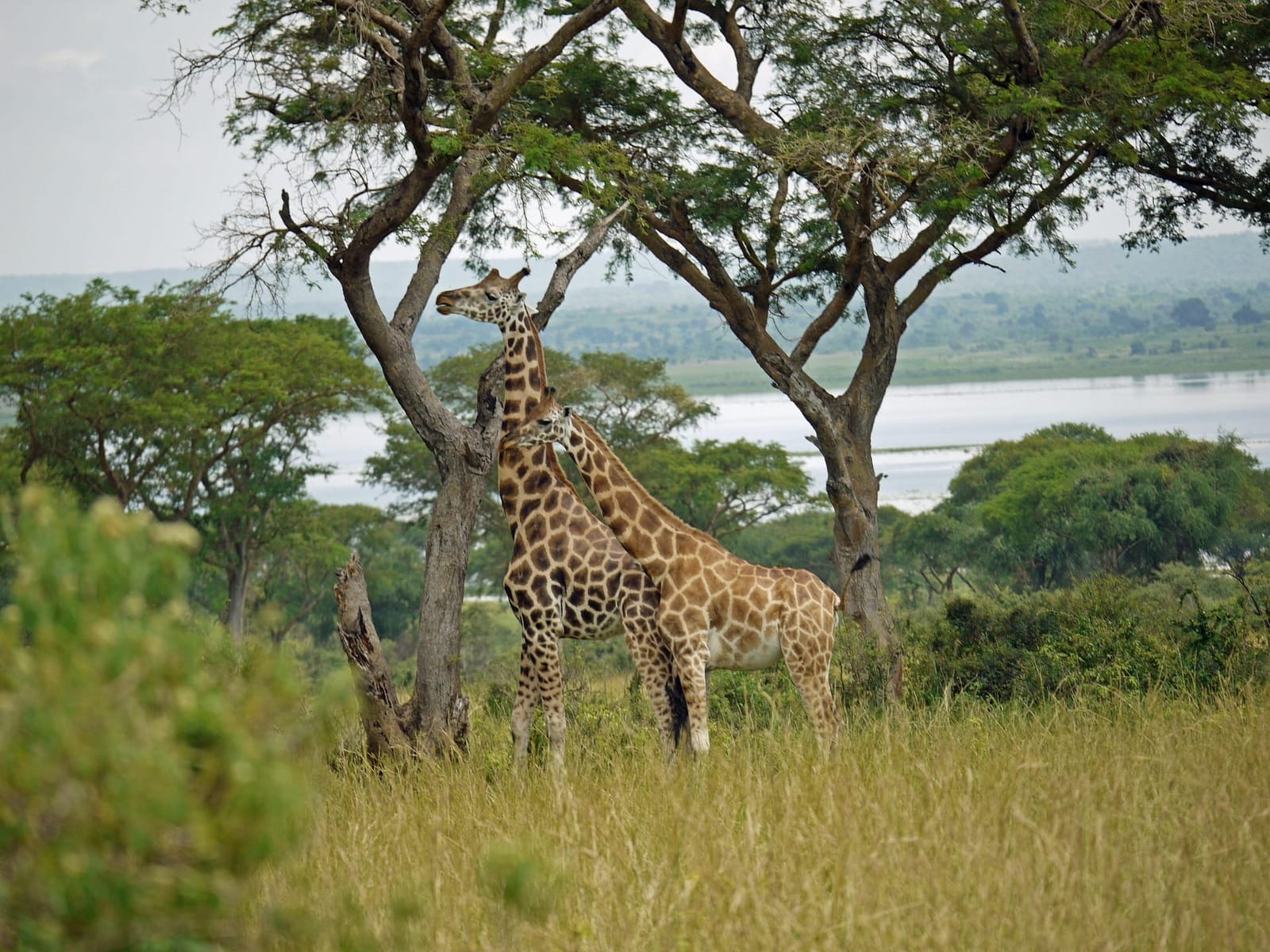
Lake Mburo is the only park in Uganda's protected area network where a horseback safari or cycling safari is offered, since resident lion numbers are low enough for it to be run safely. Cycling/Riding alongside zebras and elands, or giraffes at ground level, is not something any other Uganda park can offer.
- Safety for Tourists
Rangers escort every walking, cycling, and horseback activity, and buffalo and hippo are the animals guides brief guests on most carefully, since both can be dangerous at close range on foot. The park has no resident elephant population, which is part of why walking and riding safaris are permitted here at all.
The park as a whole is almost always under surveillance by UWA authorities.
- Accommodation to Expect
A handful of budget tented camps and midrange lodges sit inside or on the park boundary near Lake Mburo itself, with fewer luxury options than Bwindi or Queen Elizabeth. Most visitors treat it as a one- or two-night stop rather than a base for a longer stay.
Gallery
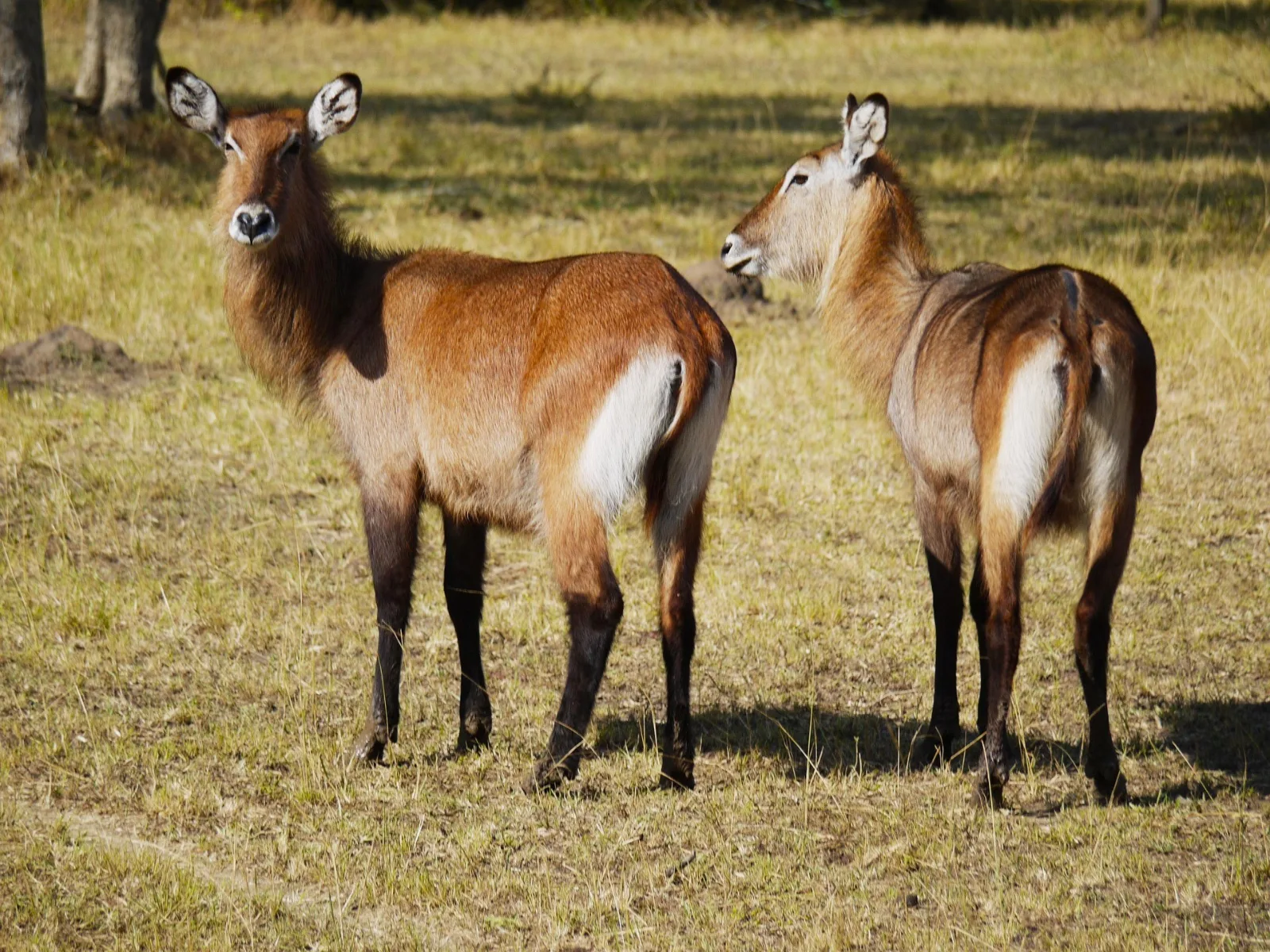
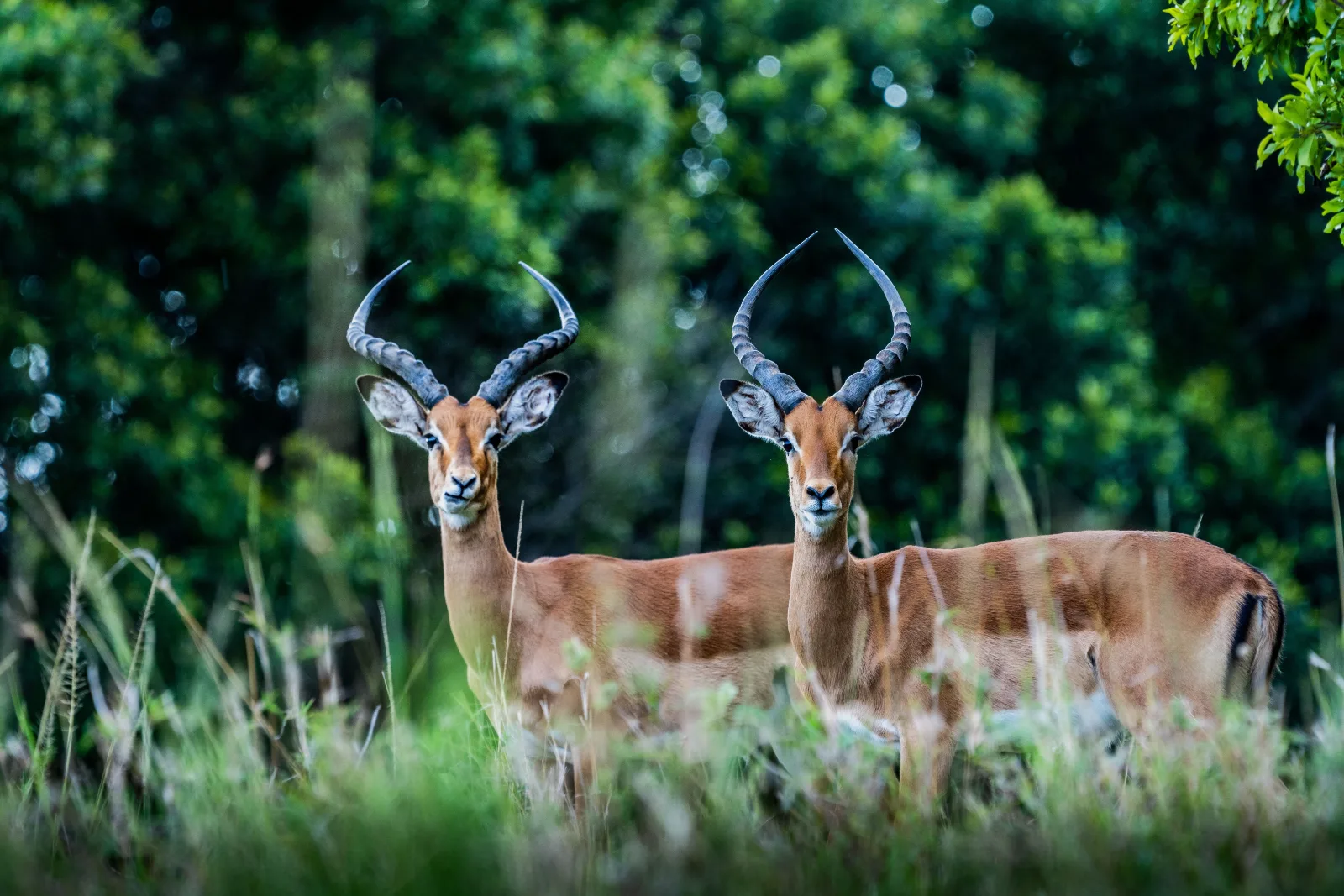
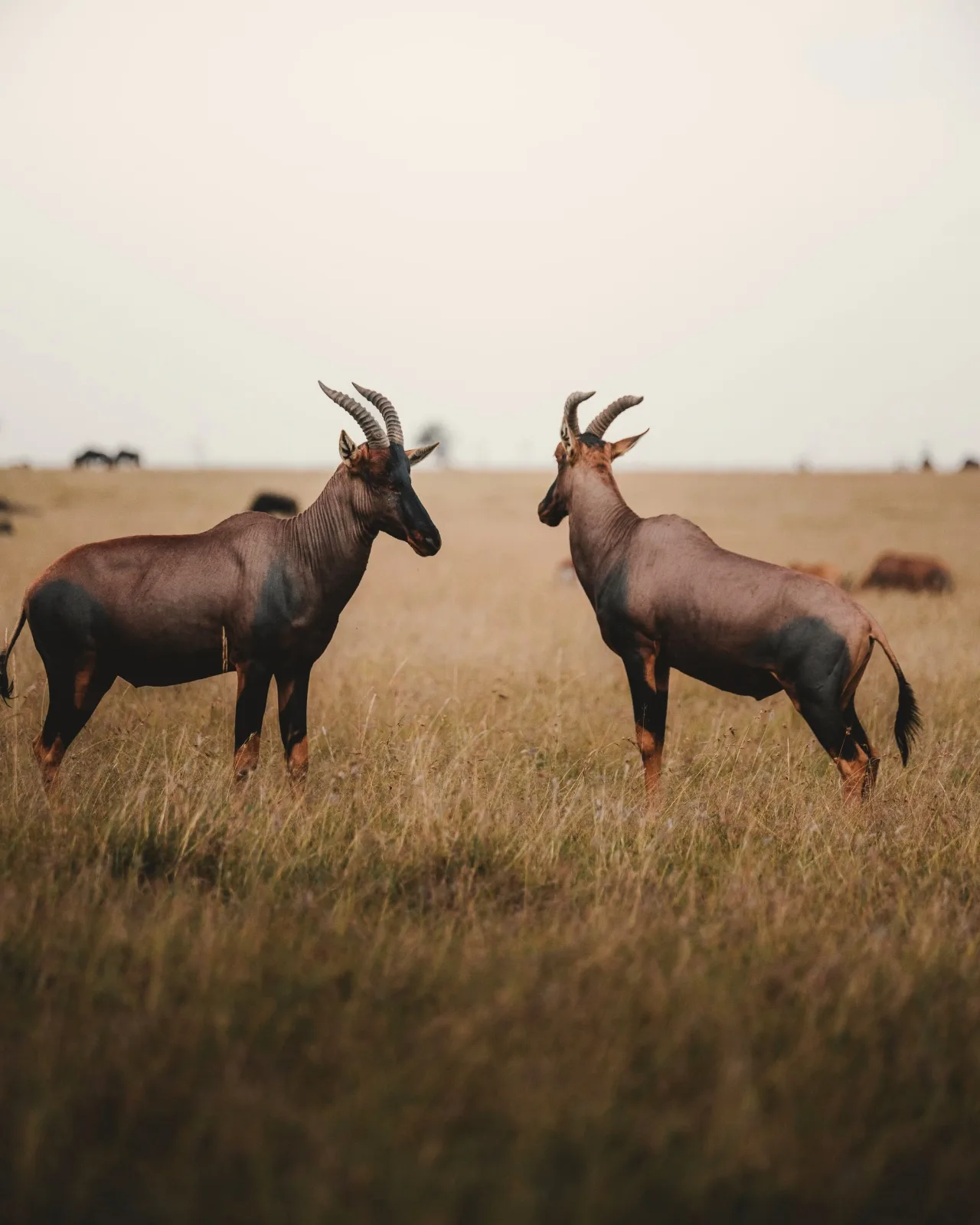
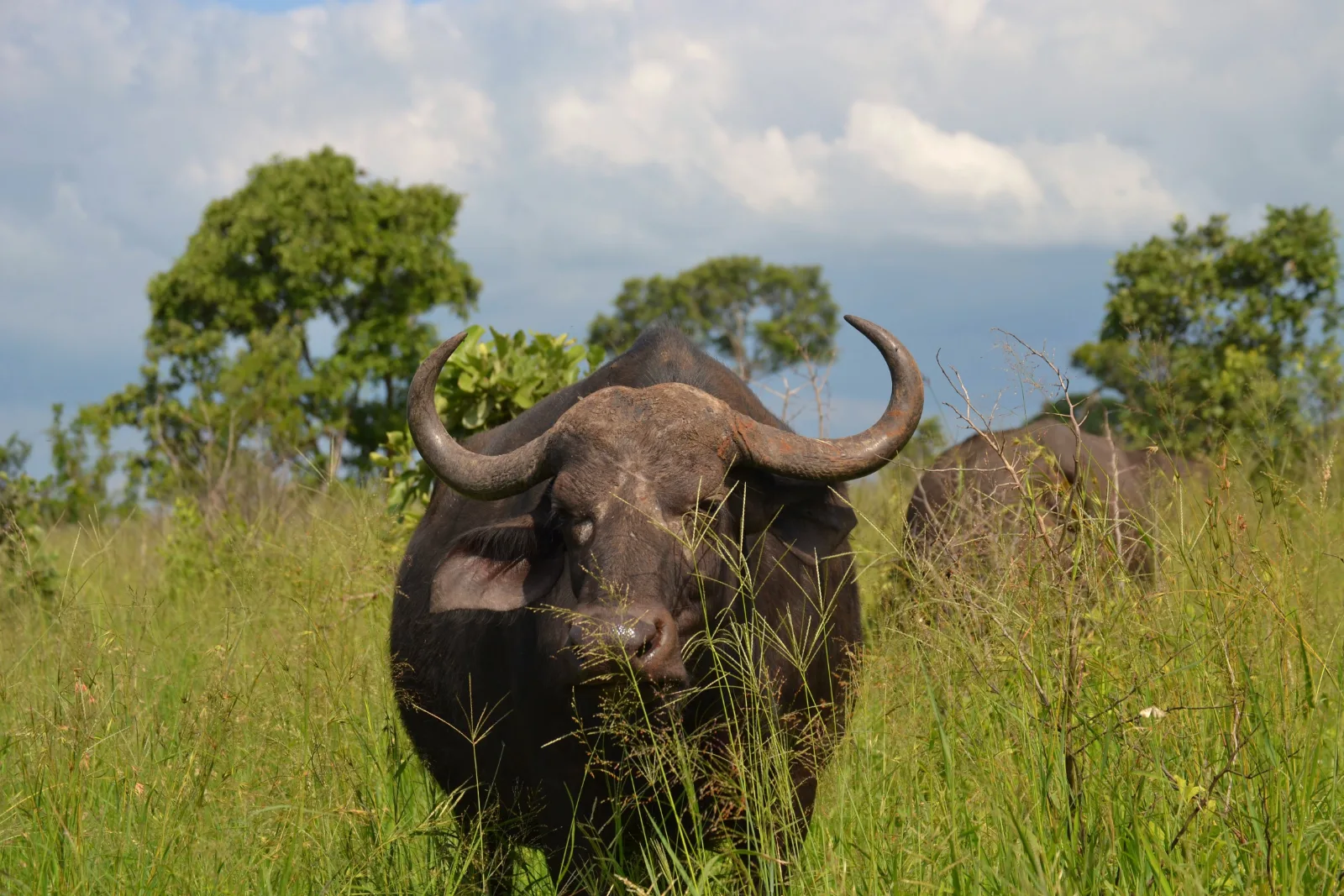
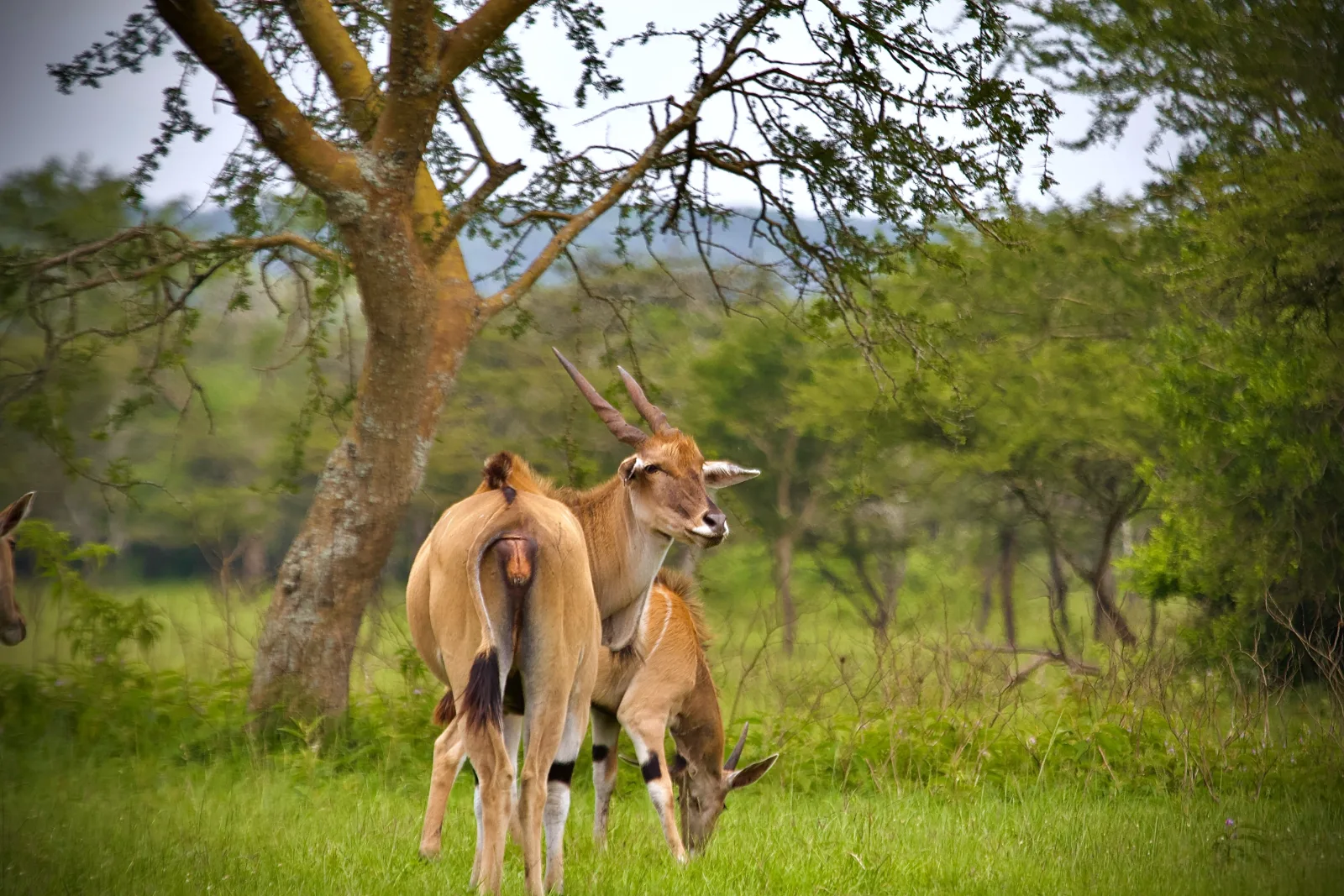
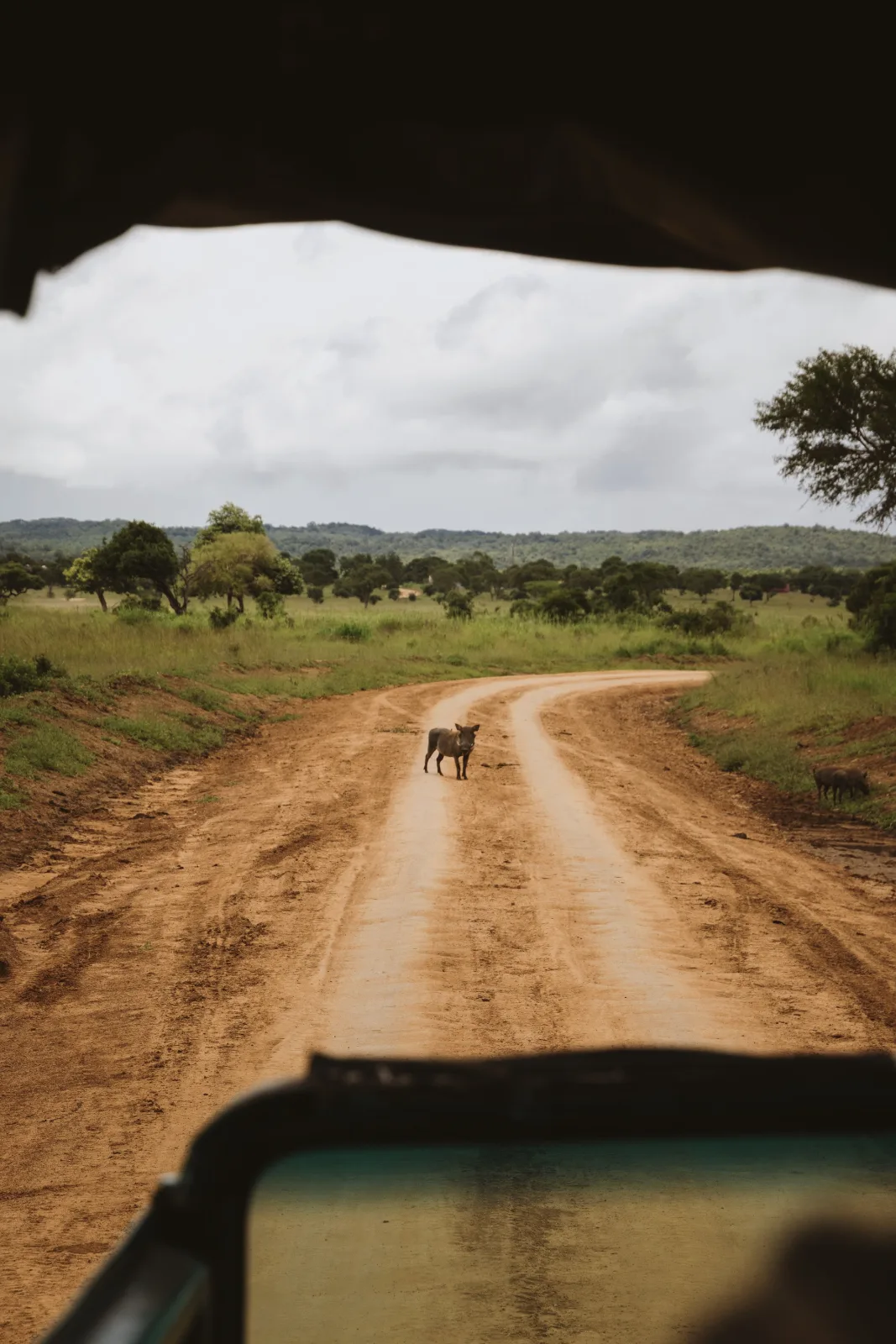
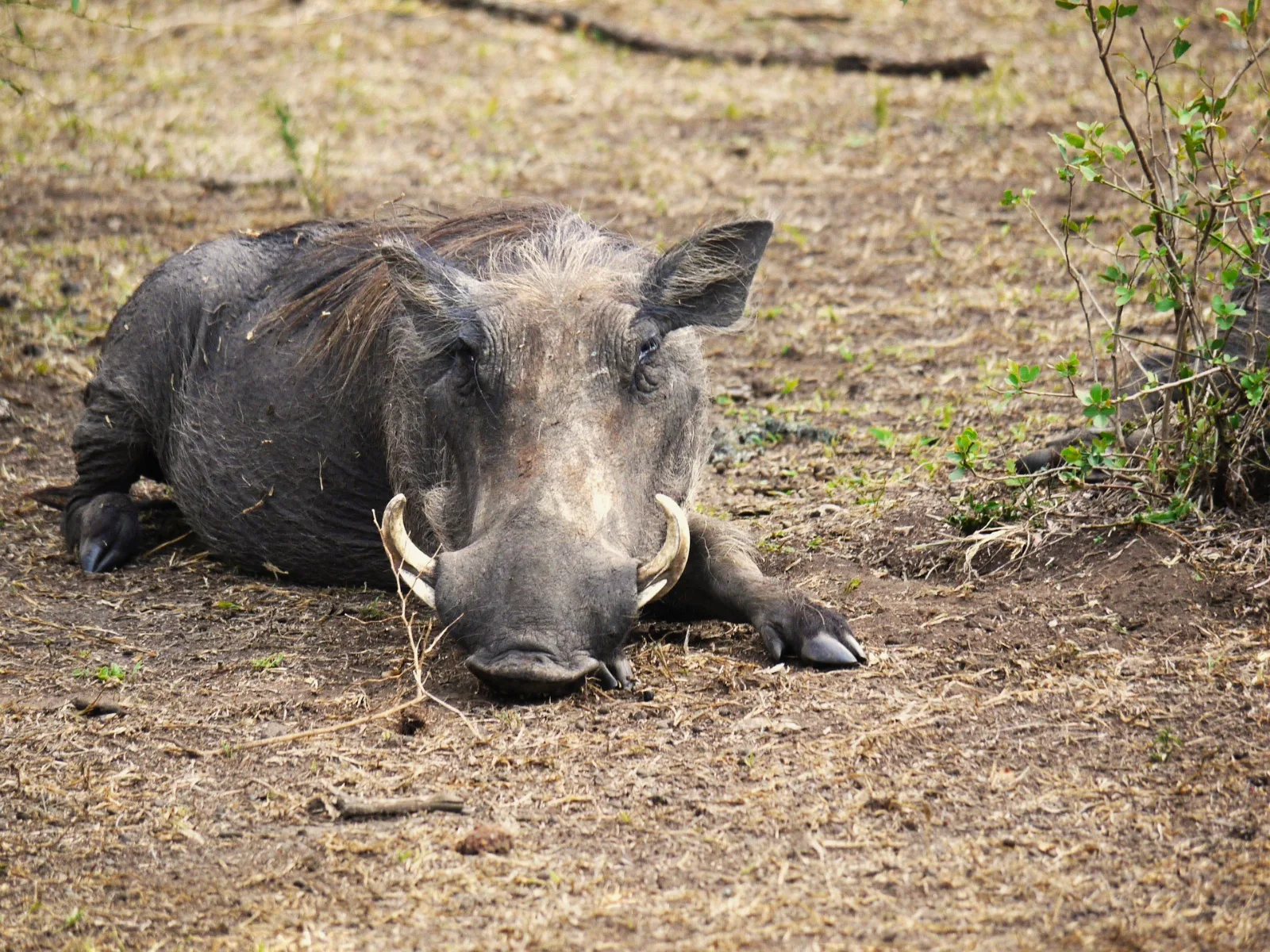
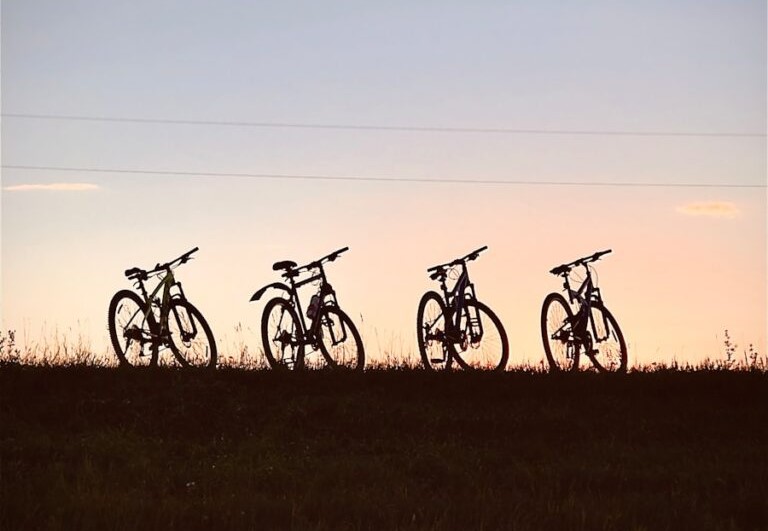
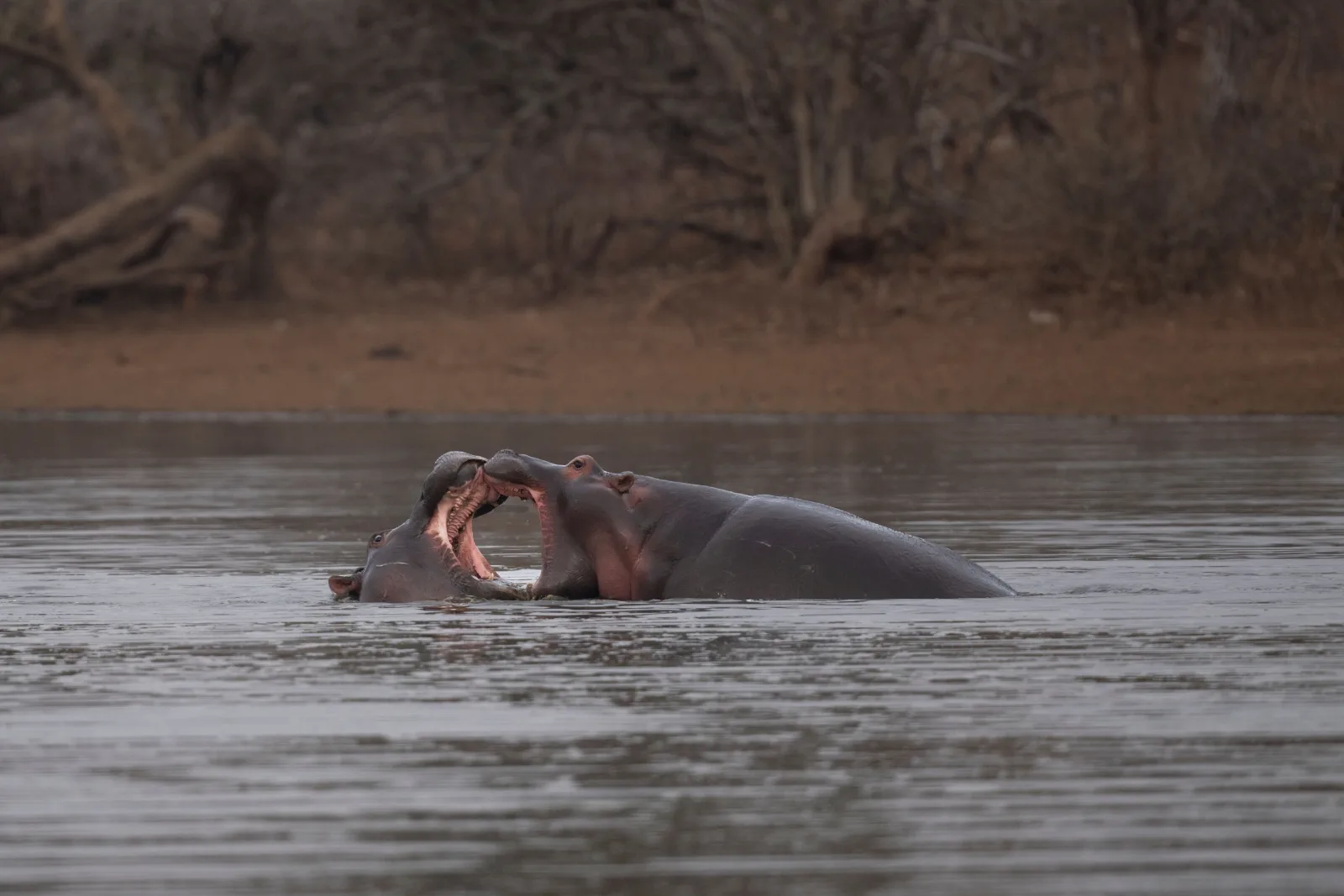
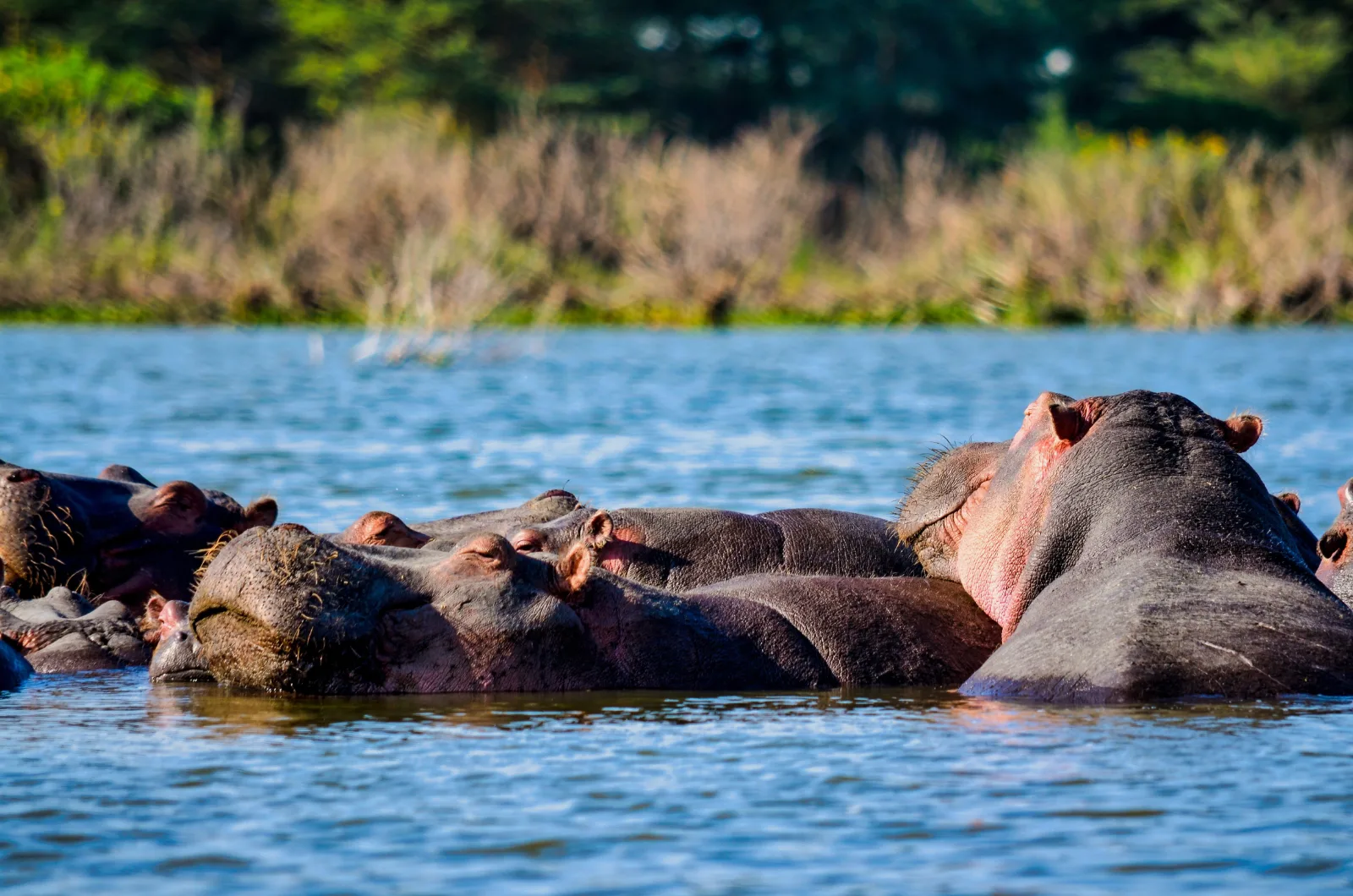
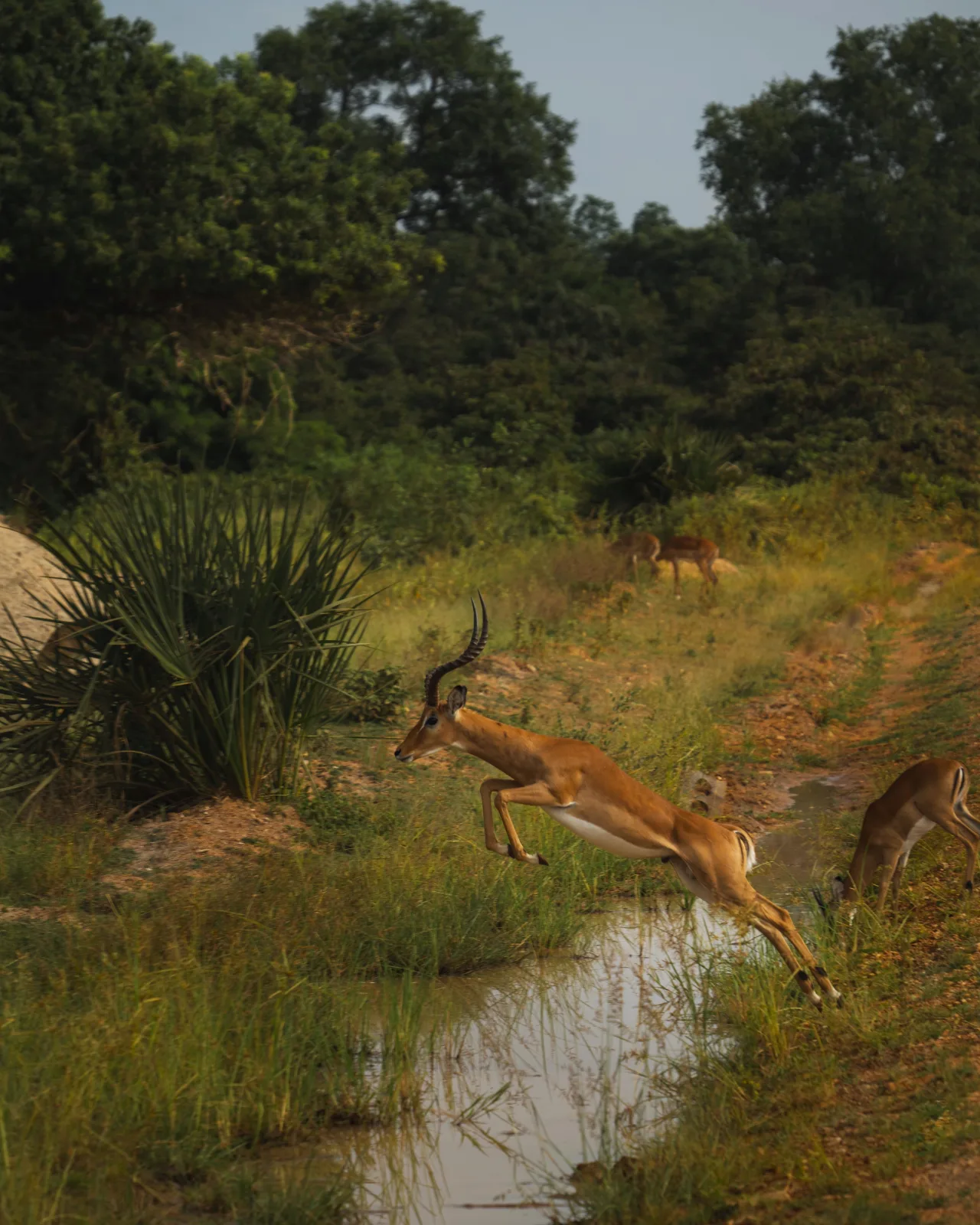
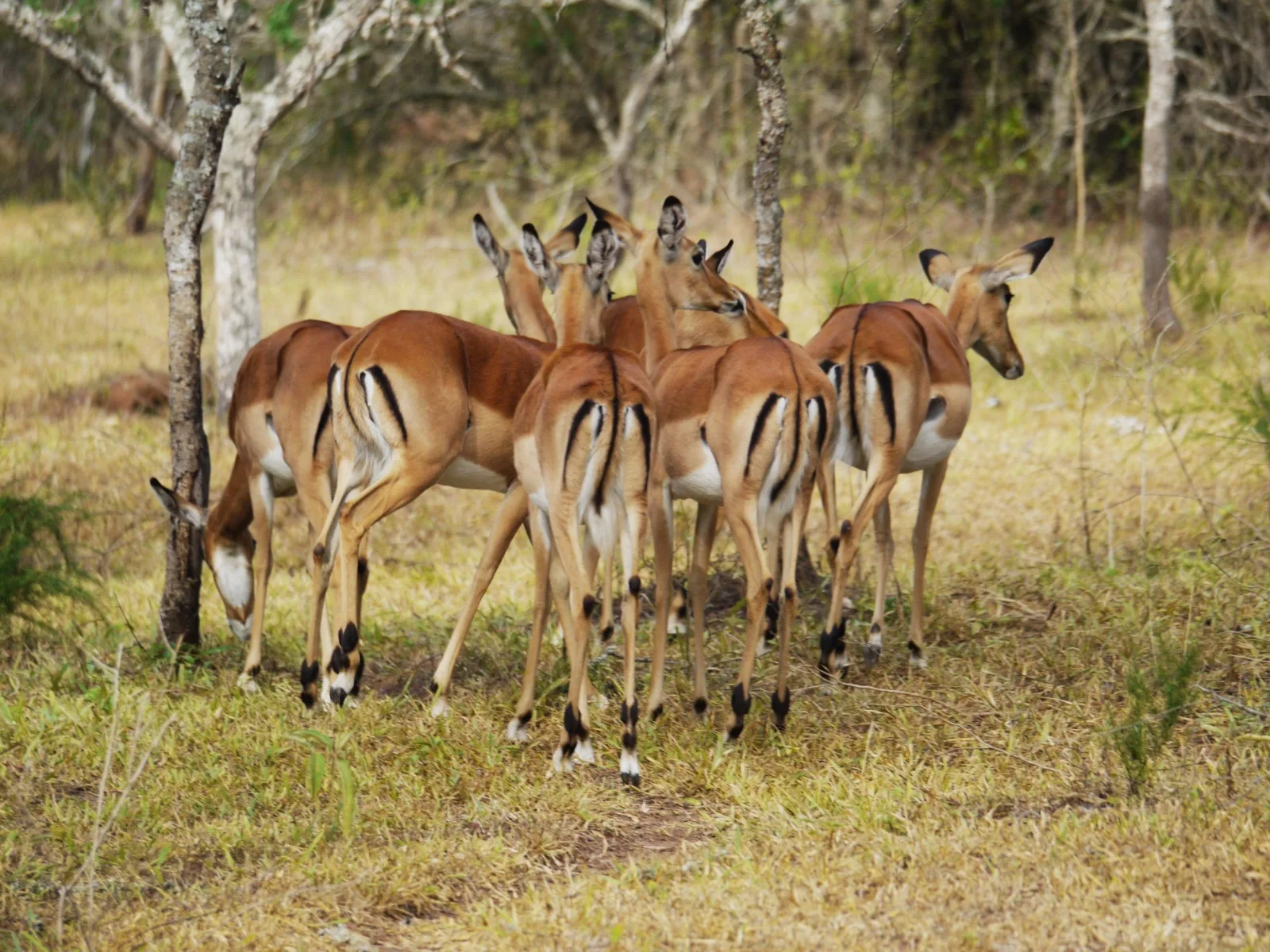
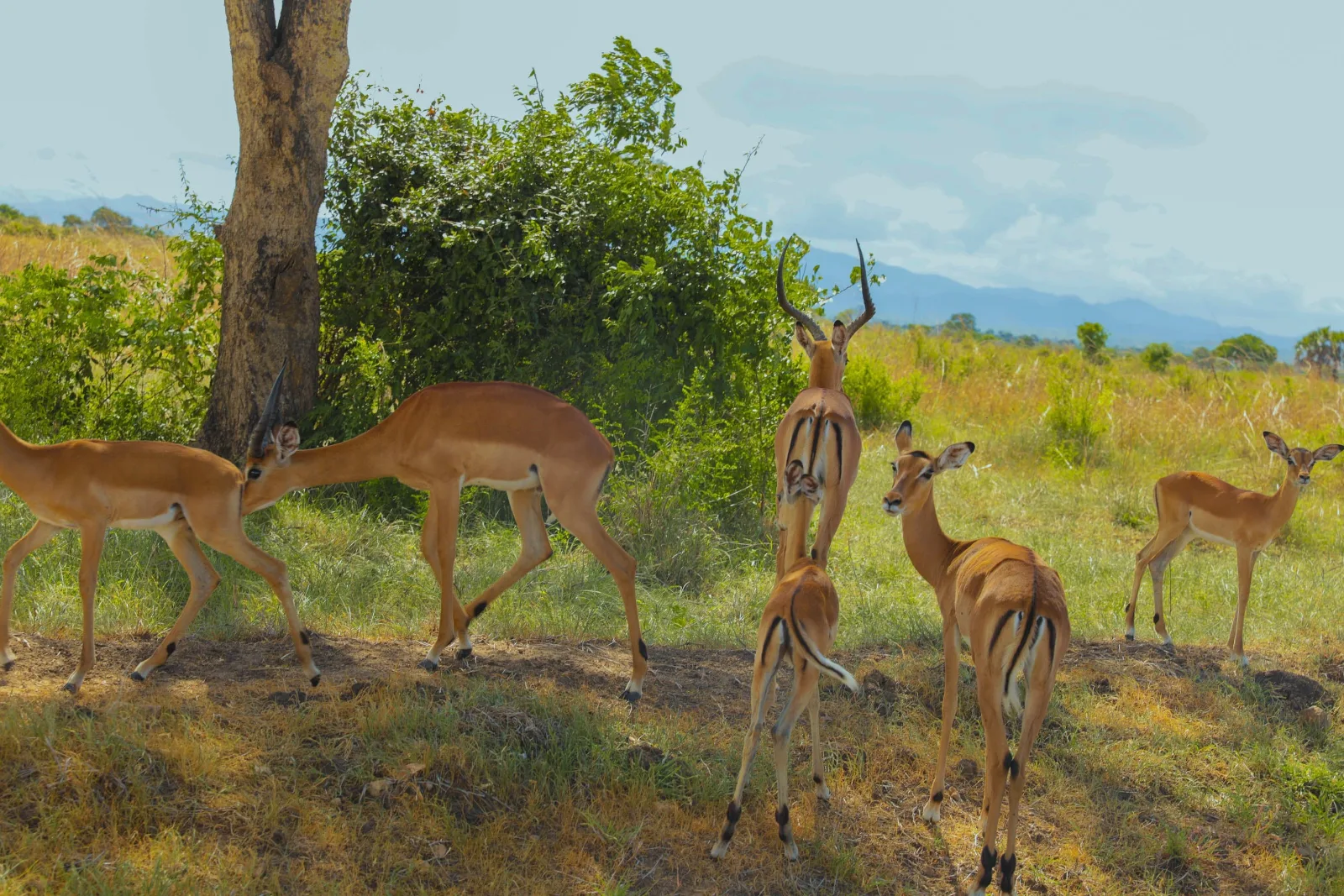
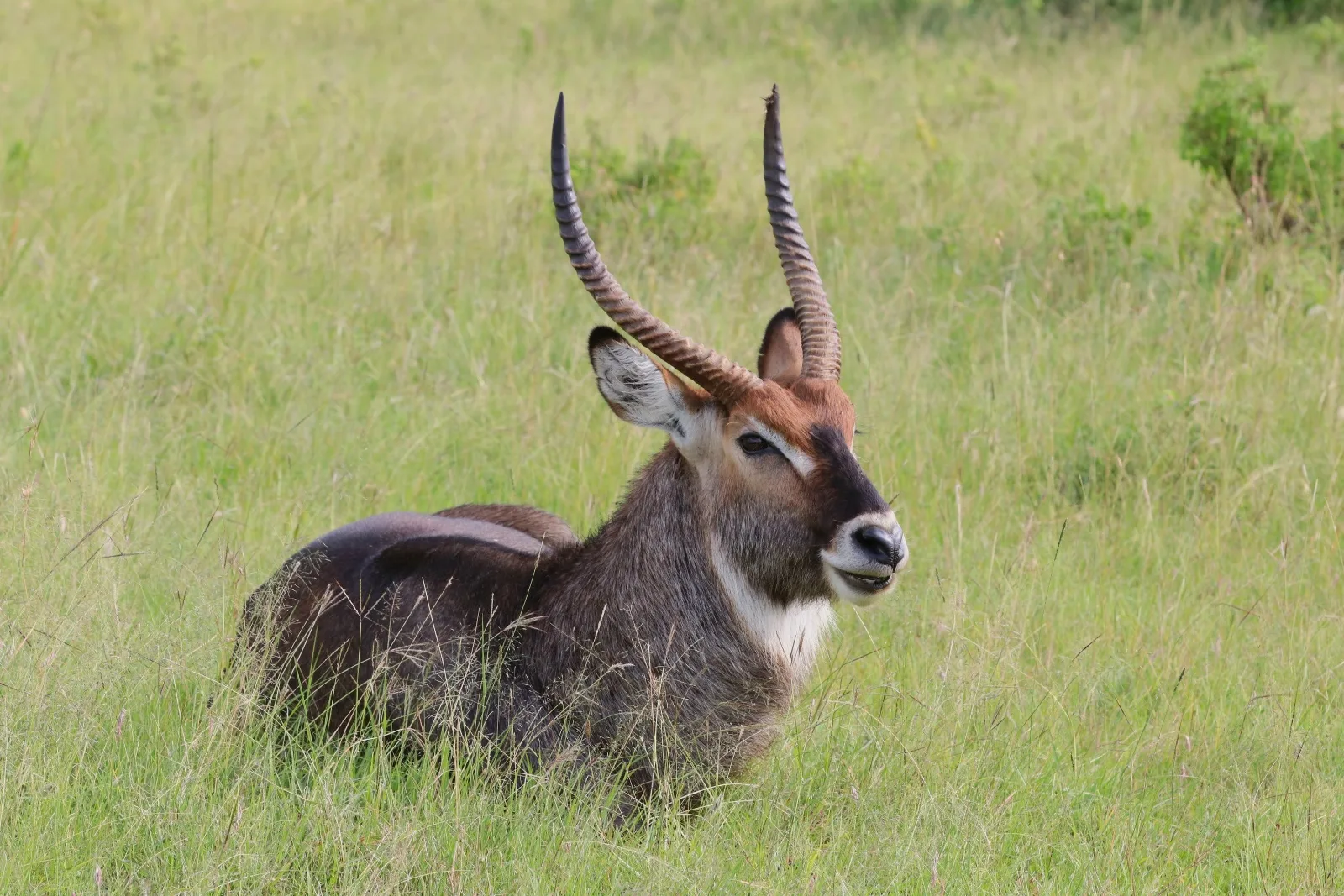
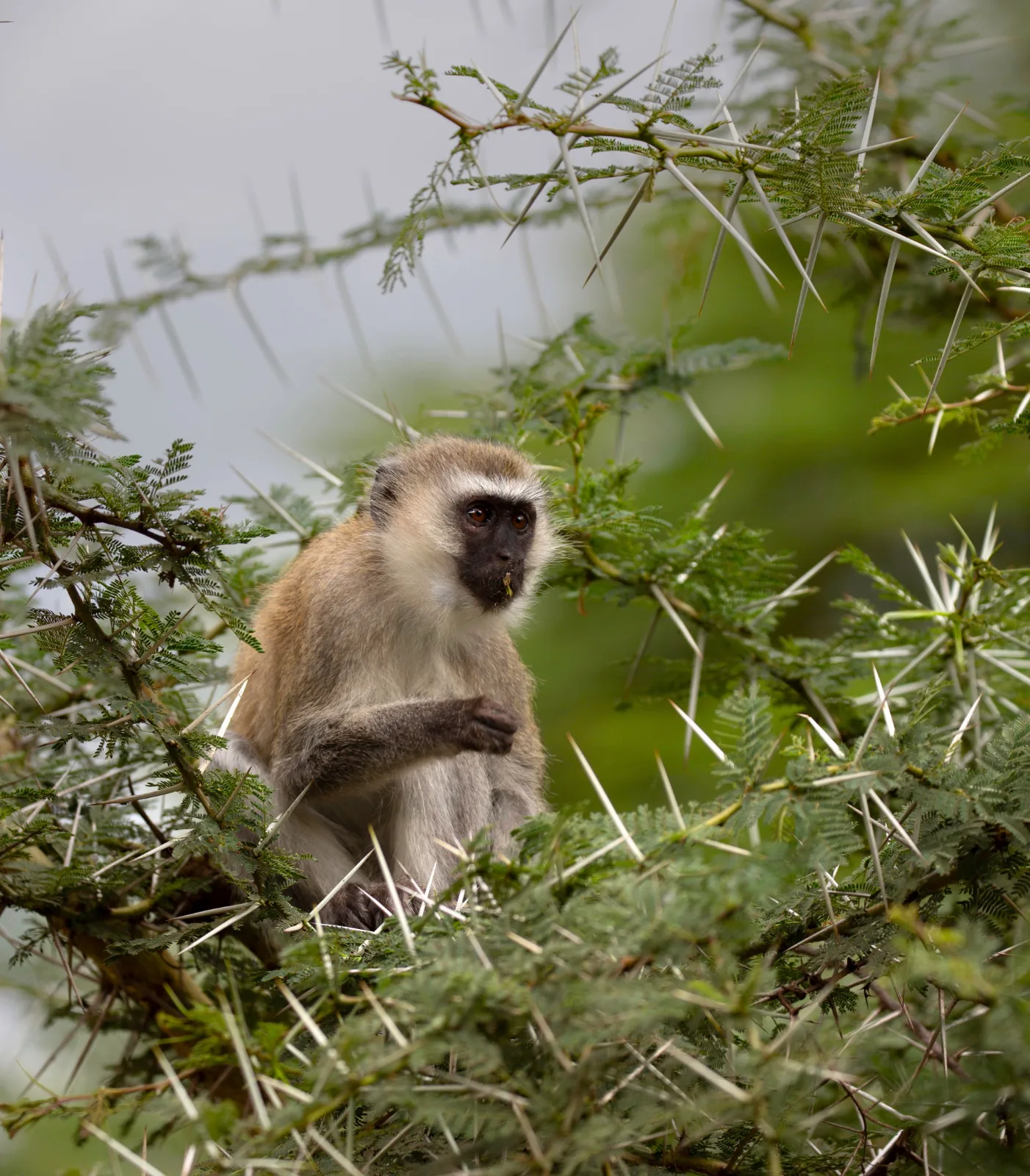
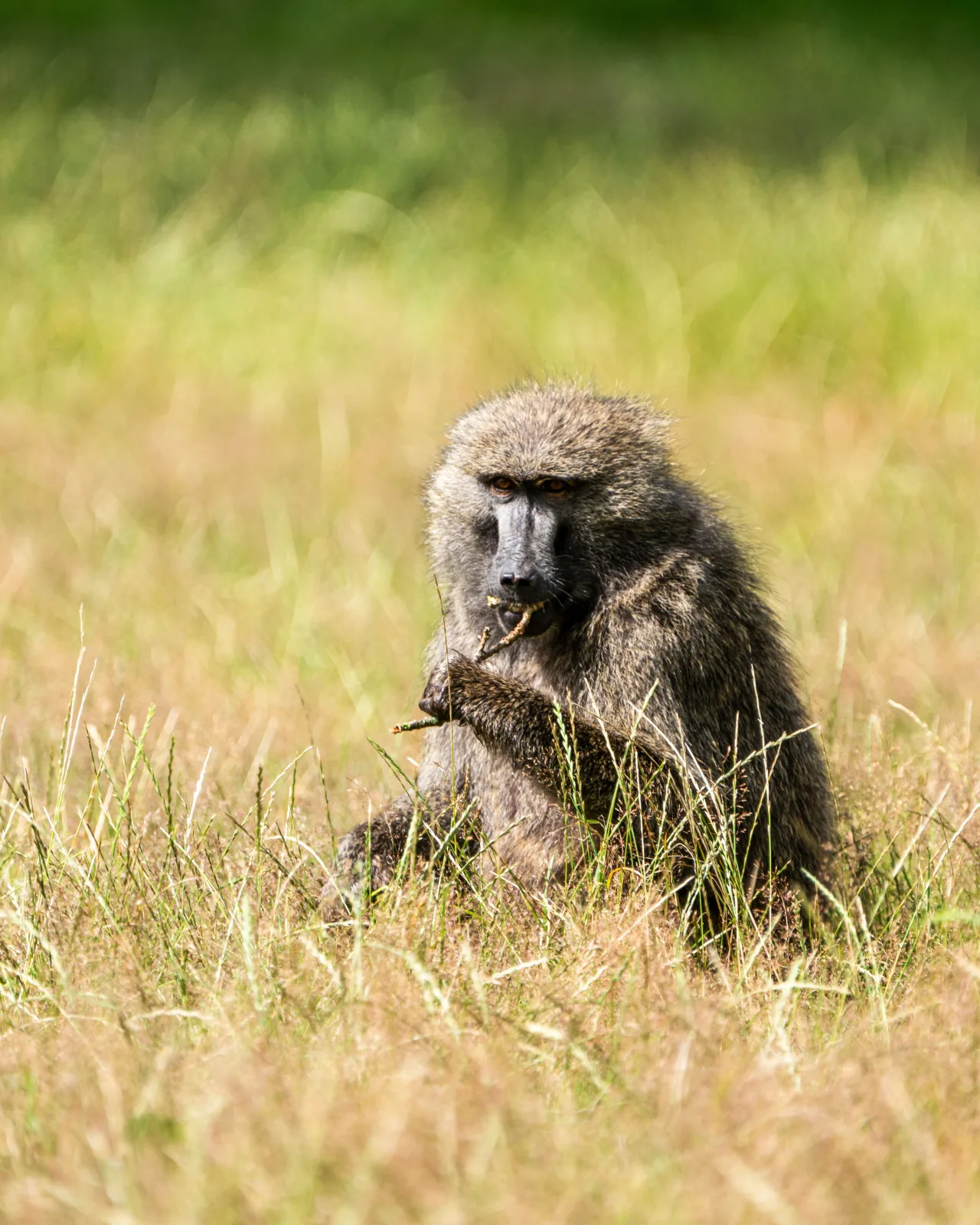
Wildlife at Lake Mburo National Park
Frequently Asked Questions
Is it worth spending two nights in Lake Mburo if I am already booking high-end lodges in Bwindi and Queen Elizabeth?
Absolutely, because Lake Mburo provides an open-air tracking flexibility that is legally prohibited in Uganda's larger, more hazardous reserves. Instead of spending your entire safari locked inside a closed steel vehicle, a two-night stay here allows you to mountain bike, hike, or ride horses alongside large herds of zebras and elands. Furthermore, it breaks up the grueling nine-hour drive from Entebbe to the gorilla forests into two manageable road segments, allowing you a restful safari.
How safe are the walking, cycling, and horseback safaris given the presence of leopards and hyenas?
These activities are exceptionally safe and highly regulated, operating under strict international safety protocols with armed Uganda Wildlife Authority rangers who understand animal behavior. The resident leopards are strictly nocturnal hunters that retreat deep into the high acacia canopy during daylight hours, meaning they pose no active threat to daytime walking tracks. Because the park lacks dominant lion prides and elephant herds, the ground environment is remarkably stable, allowing for calm, unhurried wildlife approaches on foot or horseback.
What does a high-end luxury experience look like in a park of this size like Lake Mburo?
The premium travel experience here is absolute privacy, low tourist density, and world-class luxury bush hospitality away from the mass-market crowds.
Can my itinerary here combine wildlife viewing with the regional Ankole cultural history?
This park is actually the premier destination in East Africa to experience a seamless blend of ancient pastoralist culture and modern wildlife conservation. You can have exclusive access to working Bahima homesteads outside the park borders, where you can participate in the centuries-old rituals of the long-horned Ankole cattle keepers. You will learn the complex whistling language used to herd cattle through the bush, explore traditional milk pasteurization architecture, and understand the cultural taboos that historically protected the local wildlife
What are the specific physical fitness requirements for the active safaris?
The physical demands are highly adaptable, allowing you to choose your preferred level of exertion without missing out on the unique close-range wildlife encounters. The classic walking safaris cover flat, well-maintained valley tracks at a very leisurely, educational pace designed for interpreting tracks rather than endurance hiking. For the mountain biking and horseback safaris, the local outfitters maintain a fleet of premium equipment and match you with trails or horses tailored precisely to your previous experience and comfort levels.
Is cycling in Lake Mburo National Park better than cycling around Lake Bunyonyi?
It depends entirely on whether your priority is tracking wild African savannah animals or conquering punishing high-altitude mountain topography. Lake Mburo offers a genuine bicycle safari along flat, sandy valley floors, utilizing the park's complete absence of elephants and lions to let you coast right into the middle of grazing zebra, giraffe, and impala herds.
Conversely, Lake Bunyonyi features zero large wildlife and instead provides a grueling cardiovascular mountain biking workout across steep, terraced agricultural ridges climbing up to 2,200 meters above sea level. You trade the thrill of close-range wildlife encounters for panoramic photography of the twenty-nine volcanic islands and unescorted cultural immersion through remote hillside villages. For a luxury itinerary, Lake Mburo remains the superior choice because it integrates wildlife tracking with smooth, low-exertion trails that do not require elite athletic endurance.