
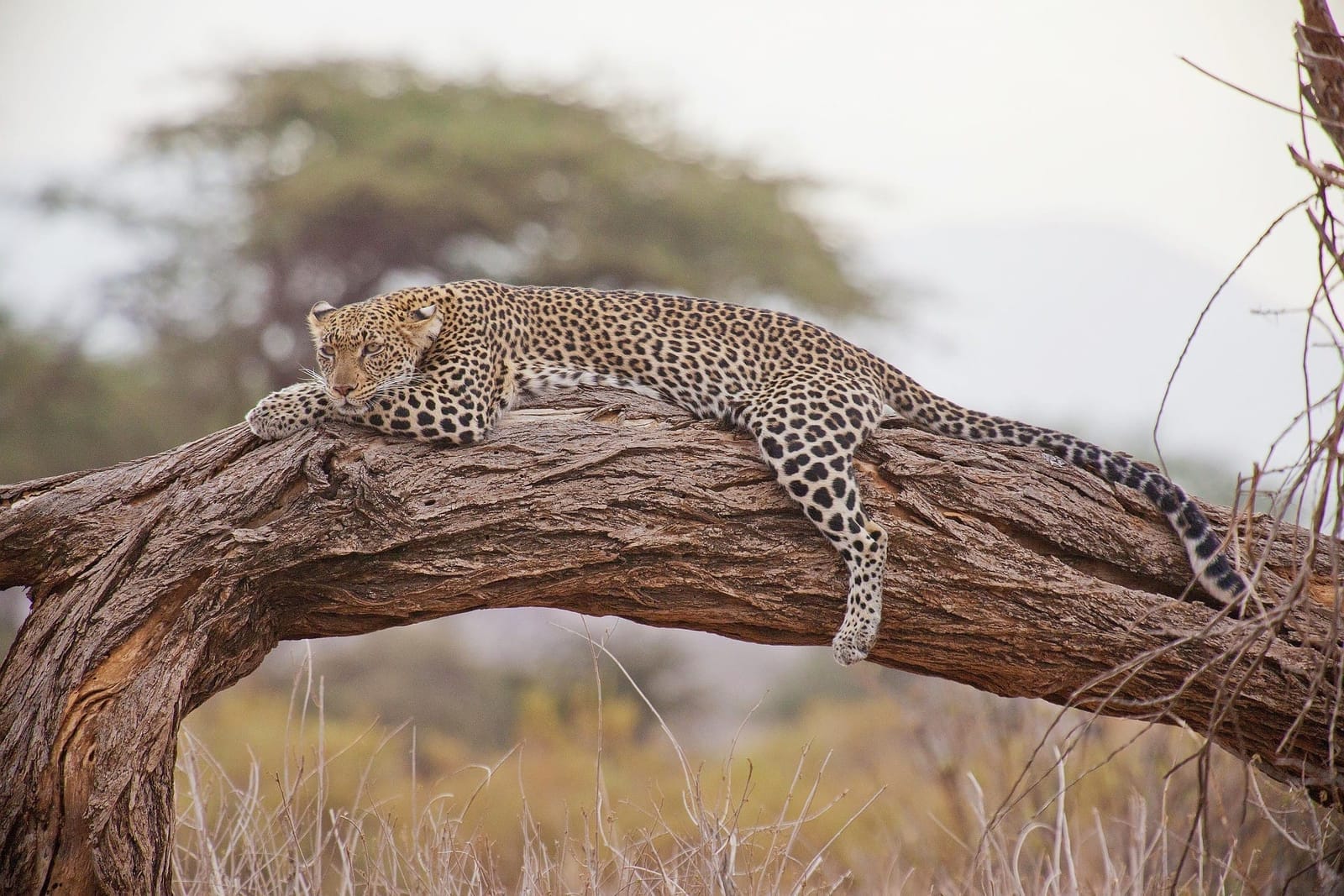
Leopardo in Parque Nacional Impenetrable de Bwindi
- Sightings
- No es algo habitual
- Best Months
- Jan, Feb, Jun, Jul, Aug, Sep, Dec
- Where
- Parque Nacional Impenetrable de Bwindi
- Safaris From
- 4600 €
- Matching Packages
- 1
Para avistar a este felino solitario se necesita una vista aguda y una quietud repentina. A diferencia de los leones, que dominan los espacios abiertos, los leopardos son maestros de las sombras y suelen encontrarse recostados sobre gruesas ramas horizontales, donde su pelaje moteado se mimetiza por completo con el follaje. Observar a un leopardo genera una tensión silenciosa; están intensamente alertas, observando el suelo con una mirada penetrante y sin pestañear. Quizá veas a uno custodiando una presa colgada en lo alto de las ramas para mantenerla alejada de los carroñeros, o caminando en silencio entre la maleza al atardecer, cuando comienza su caza nocturna. Es un encuentro esquivo y emocionante que recompensa al viajero paciente.
De nuestras guías
These secretive predators, the Leopard, remain deeply hidden within the dense valley undergrowth and are almost exclusively detected by researchers' camera traps rather than daytime travelers. Because Bwindi features an exceptionally thick canopy layer and rugged, unbroken mountain terrain, these stealthy big cats have endless camouflage options, meaning they safely avoid any interaction with human visitors on the public trails.
- What Parque Nacional Impenetrable de Bwindi Is Known For
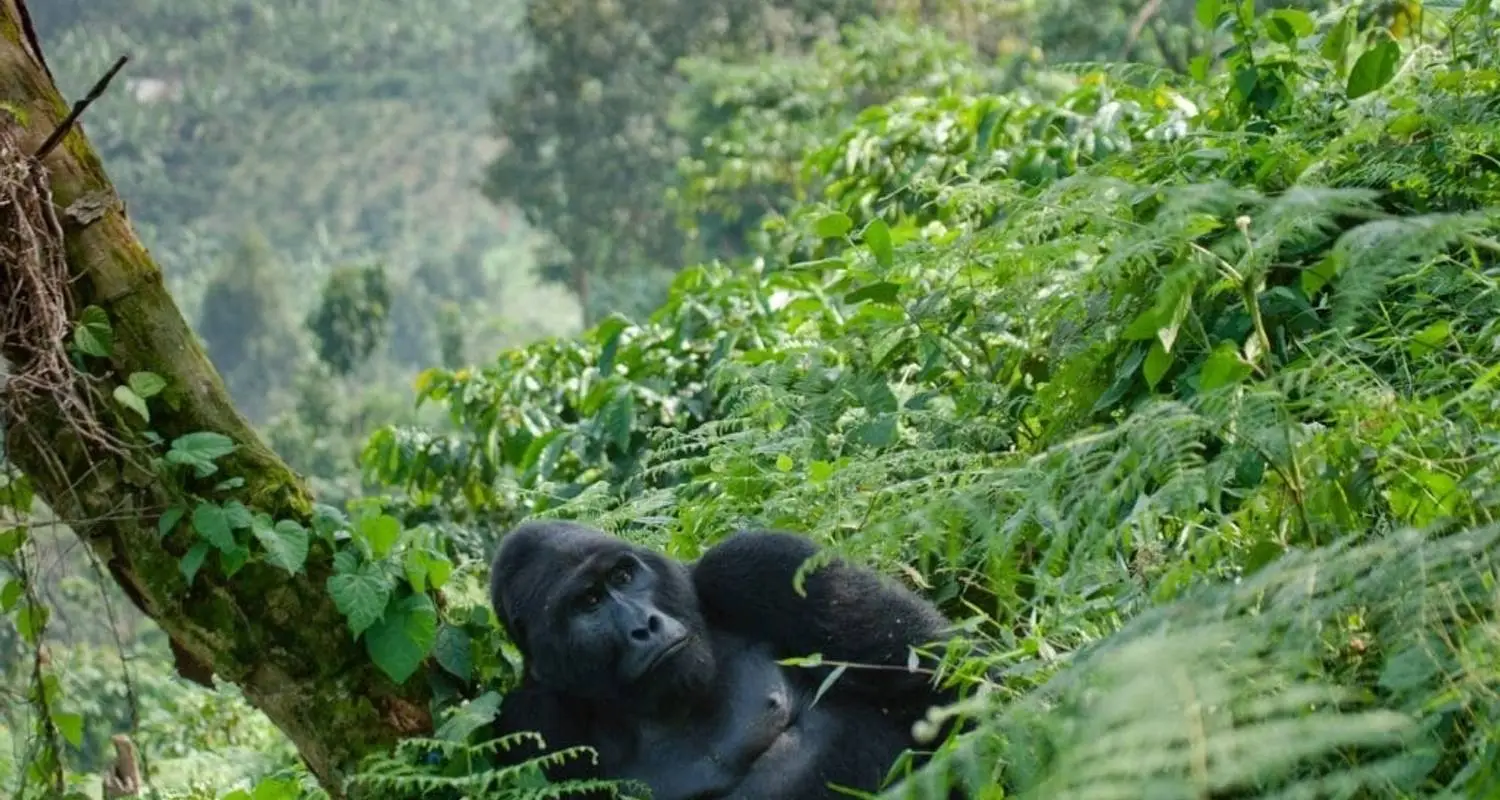
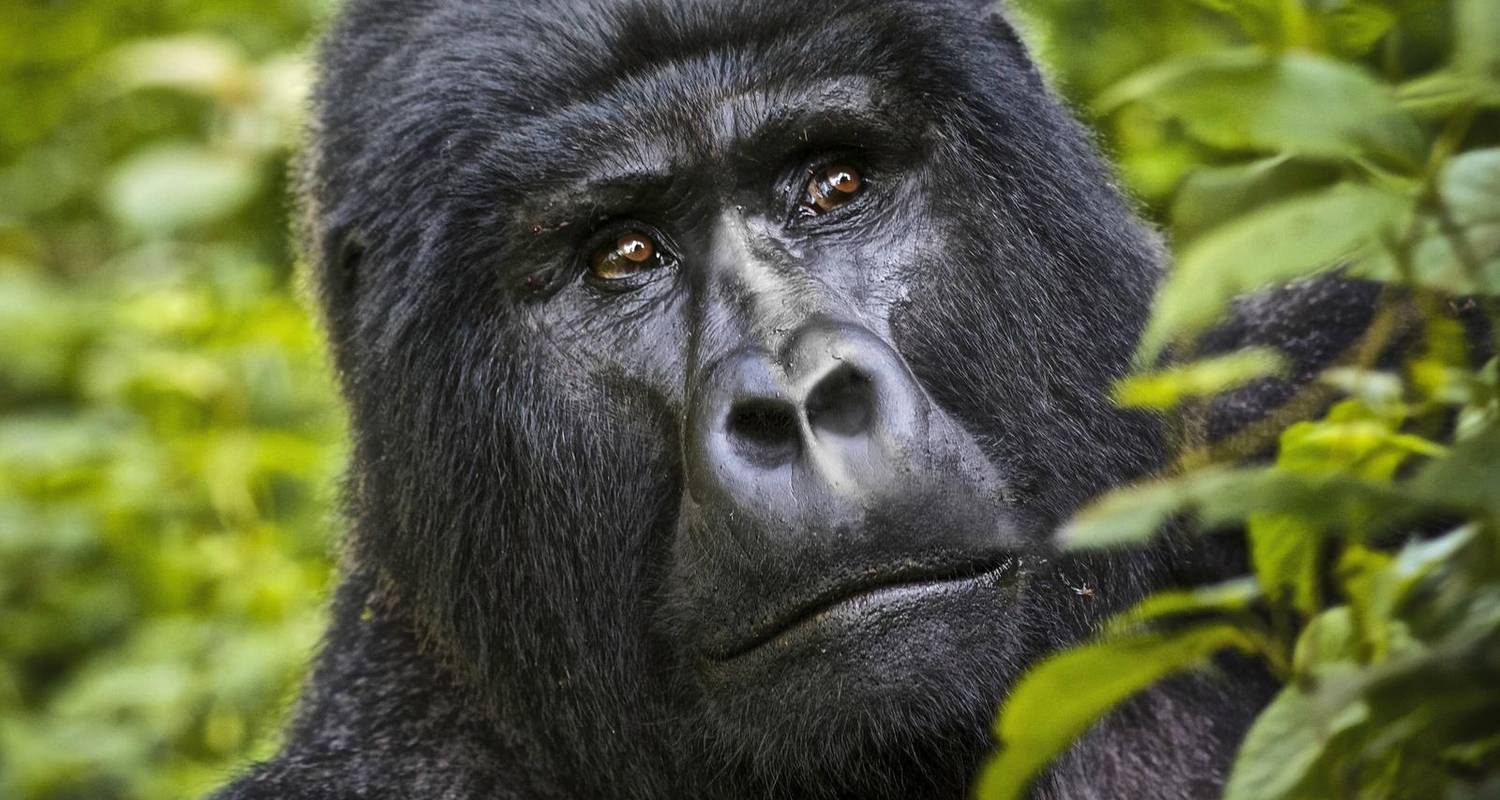
Bwindi, a UNESCO World Heritage Site, holds roughly half of the world's remaining 1,000-plus mountain gorillas, spread across four trekking sectors: Buhoma, Ruhija, Rushaga, and Nkuringo. It is also one of Africa's richest birding forests, with more than 350 recorded species, over 20 of them Albertine Rift endemics.
- Best Time to Visit Parque Nacional Impenetrable de Bwindi
Best time to visit is considered the dry windows from June to September and December to February, as they offer firmer trails and lower humidity for optimal gorilla tracking comfort.
However, the rainy months, March to May and September to November, provide total exclusivity, fewer trekkers, lower lodge rates, and shorter treks as gorillas move to lower elevations for food, with the same one-hour gorilla viewing once a family is located.
Last updated October 22, 2026
· Written by Enoch, Huko Safaris
5.0valoración media de los viajeros
Experto local: Enoch




Best Months to See Leopardo in Uganda
De parte de nuestro equipo
Leopardo
Leopards are notoriously difficult to spot. Your chances increase if you go on a night game drive or a specialized predator-tracking excursion in Queen Elizabeth National Park or Lake Mburo National Park. My tip: On a game drive, always scan the horizontal limbs of large fig trees and sausage trees, especially near dry riverbeds. If you see an antelope looking intensely in one direction and sounding an alarm call, freeze and follow its gaze!
— Enoch, Huko Safaris
Parque Nacional Impenetrable de Bwindi
Opt for a private flight from Entebbe to Kisoro or Kihihi, rather than taking the long 8-10-hour drive. By landing near the edge of the forest, you completely bypass travel fatigue and arrive fresh, relaxed, and fully energized for your morning trek with the gorillas.
— Enoch, Huko Safaris
Safaris That May See Leopardo at Parque Nacional Impenetrable de Bwindi
«Los primates de la Tierra» (5 días)
Este viaje te ofrecerá todo lo que deseas experimentar y aprender sobre los primates.
4600 € Guardar 5%
4370 € por persona