
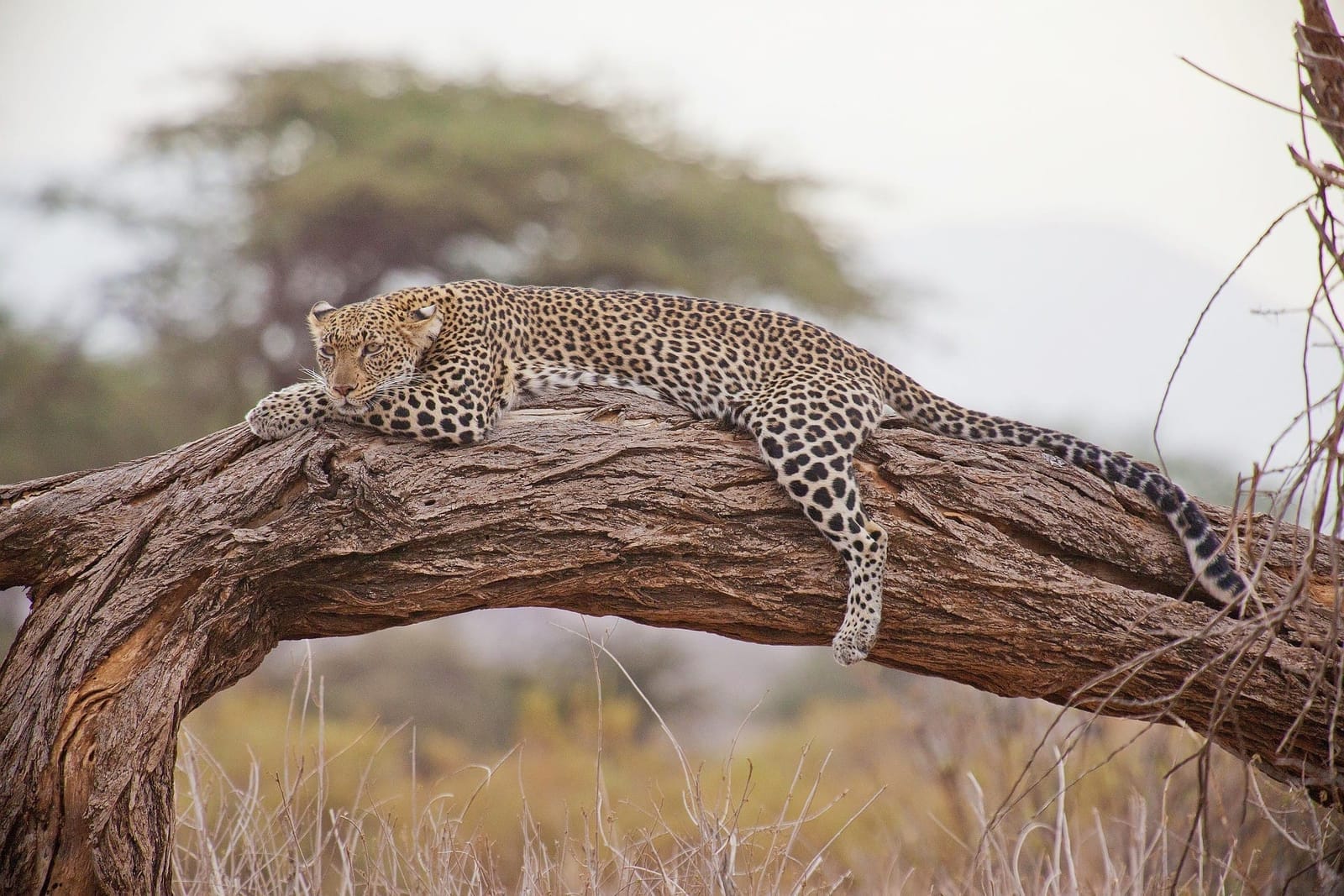
Leopard in Bwindi-Impenetrable-Nationalpark
- Sightings
- Das sieht man normalerweise nicht
- Best Months
- Jan, Feb, Jun, Jul, Aug, Sep, Dec
- Where
- Bwindi-Impenetrable-Nationalpark
- Safaris From
- 4.600 €
- Matching Packages
- 1
Um diese einsame Raubkatze zu entdecken, braucht man ein scharfes Auge und plötzliche Regungslosigkeit. Im Gegensatz zu Löwen, die offene Landschaften beherrschen, sind Leoparden Meister des Schattens; oft liegen sie auf dicken, waagerechten Ästen, wo sich ihr geflecktes Fell vollständig mit den Blättern vermischt. Das Beobachten eines Leoparden ist von einer stillen Spannung geprägt; sie sind äußerst wachsam und beobachten den Boden unter sich mit durchdringenden, unbeweglichen Augen. Vielleicht erwischt man einen dabei, wie er seine Beute hoch in den Ästen bewacht, um sie vor Aasfressern zu schützen, oder wie er in der Dämmerung lautlos durch das Unterholz schreitet, wenn seine nächtliche Jagd beginnt. Es ist eine flüchtige, aufregende Begegnung, die den geduldigen Reisenden belohnt.
Aus unseren Reiseführern
These secretive predators, the Leopard, remain deeply hidden within the dense valley undergrowth and are almost exclusively detected by researchers' camera traps rather than daytime travelers. Because Bwindi features an exceptionally thick canopy layer and rugged, unbroken mountain terrain, these stealthy big cats have endless camouflage options, meaning they safely avoid any interaction with human visitors on the public trails.
- What Bwindi-Impenetrable-Nationalpark Is Known For
Bwindi, a UNESCO World Heritage Site, holds roughly half of the world's remaining 1,000-plus mountain gorillas, spread across four trekking sectors: Buhoma, Ruhija, Rushaga, and Nkuringo. It is also one of Africa's richest birding forests, with more than 350 recorded species, over 20 of them Albertine Rift endemics.
- Best Time to Visit Bwindi-Impenetrable-Nationalpark
Best time to visit is considered the dry windows from June to September and December to February, as they offer firmer trails and lower humidity for optimal gorilla tracking comfort.
However, the rainy months, March to May and September to November, provide total exclusivity, fewer trekkers, lower lodge rates, and shorter treks as gorillas move to lower elevations for food, with the same one-hour gorilla viewing once a family is located.
Last updated October 22, 2026
· Written by Enoch, Huko Safaris
5.0Durchschnittliche Bewertung der Reisenden
Lokaler Experte: Enoch



Best Months to See Leopard in Uganda
Von unserem Team
Leopard
Leopards are notoriously difficult to spot. Your chances increase if you go on a night game drive or a specialized predator-tracking excursion in Queen Elizabeth National Park or Lake Mburo National Park. My tip: On a game drive, always scan the horizontal limbs of large fig trees and sausage trees, especially near dry riverbeds. If you see an antelope looking intensely in one direction and sounding an alarm call, freeze and follow its gaze!
— Enoch, Huko Safaris
Bwindi-Impenetrable-Nationalpark
Opt for a private flight from Entebbe to Kisoro or Kihihi, rather than taking the long 8-10-hour drive. By landing near the edge of the forest, you completely bypass travel fatigue and arrive fresh, relaxed, and fully energized for your morning trek with the gorillas.
— Enoch, Huko Safaris
Safaris That May See Leopard at Bwindi-Impenetrable-Nationalpark
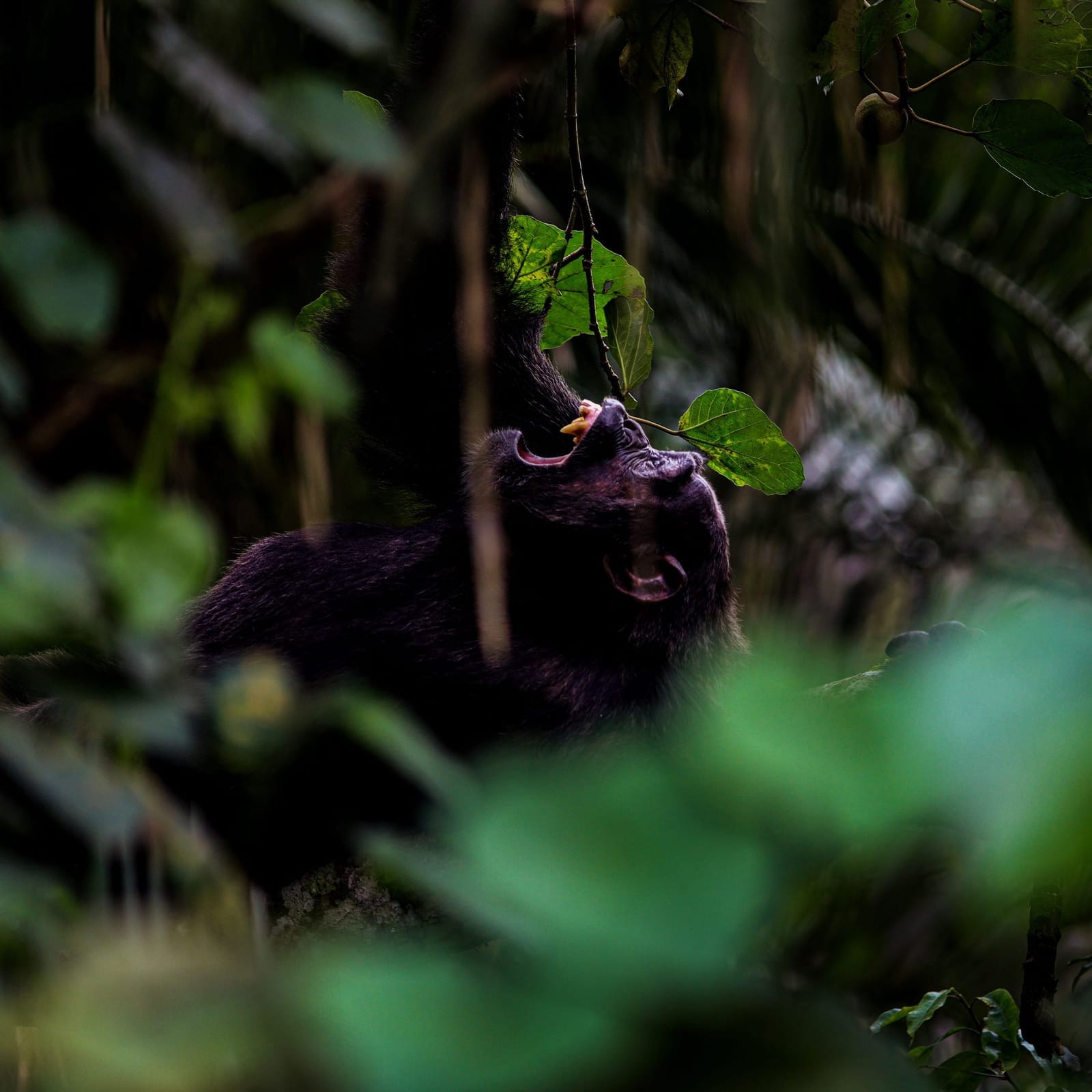
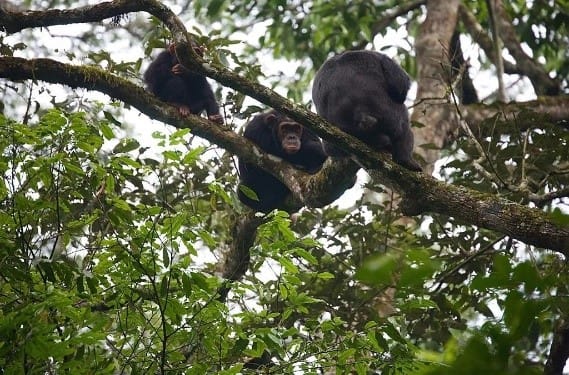
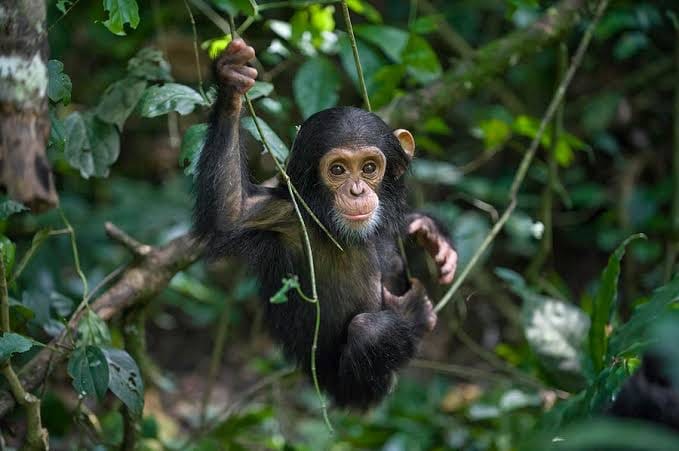
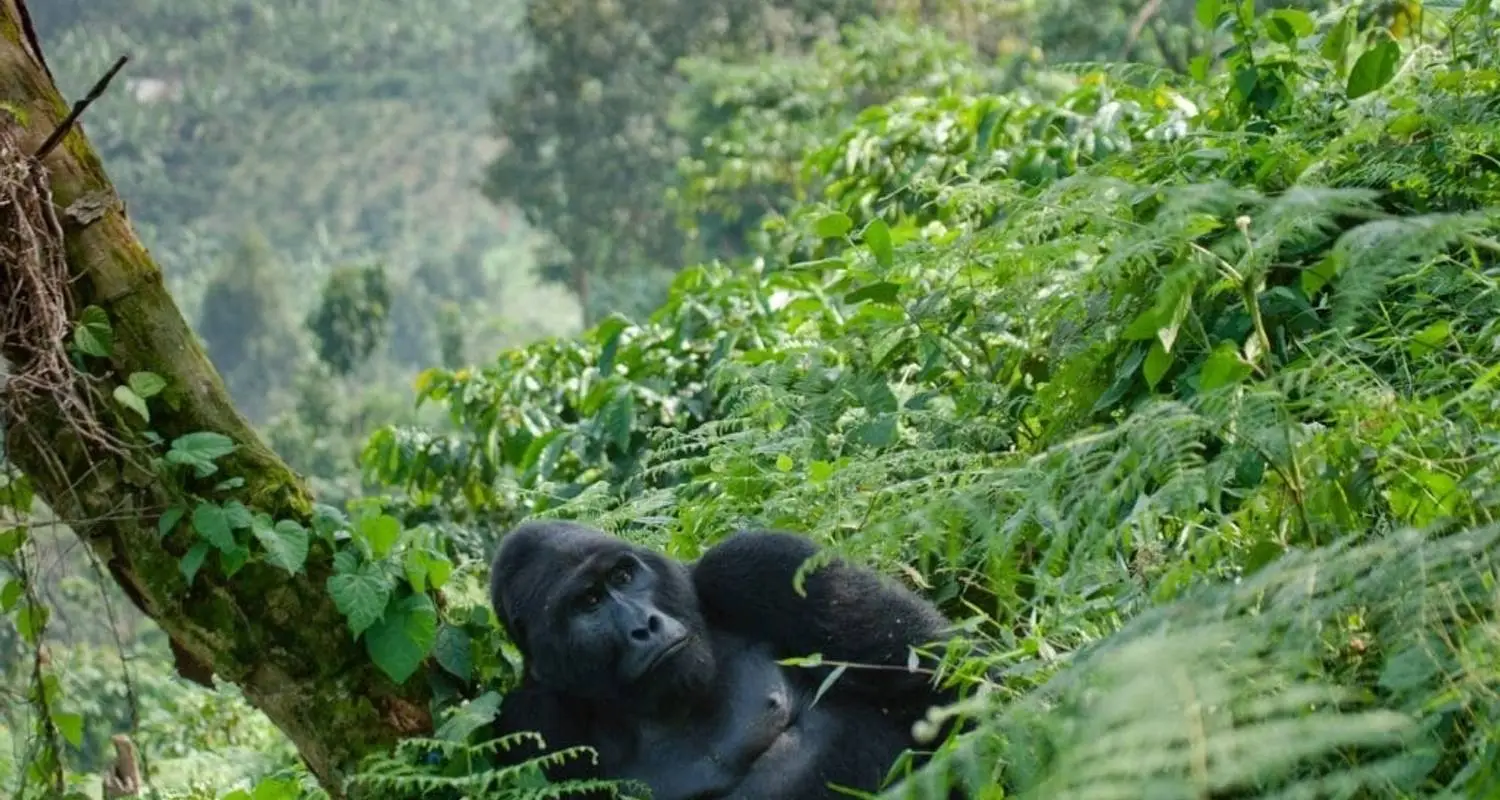
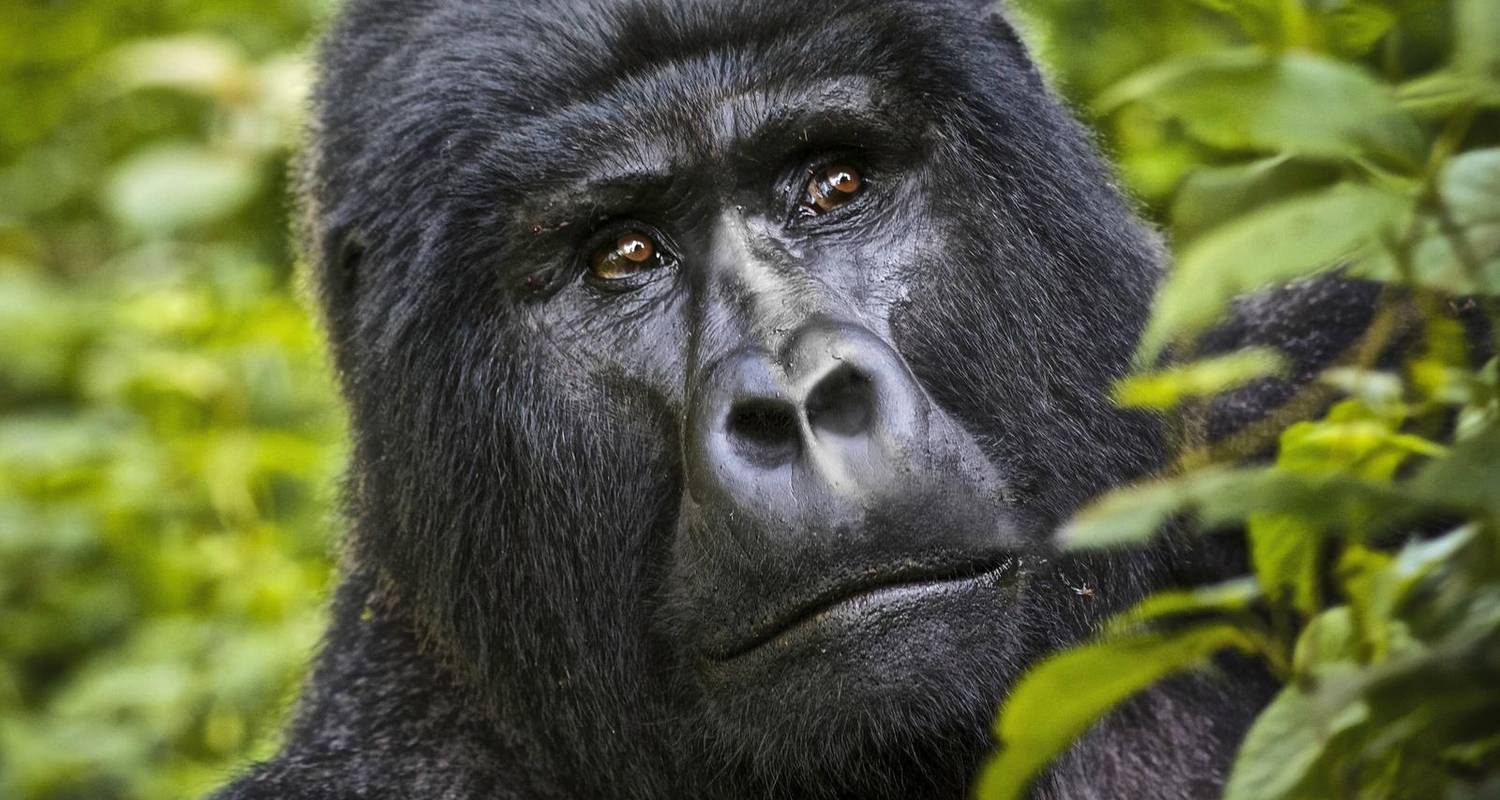
„5 Tage: Primaten der Erde“
Diese Reise bietet Ihnen alles, was Sie über Primaten erleben und erfahren möchten.
4.600 € Speichern 5%
4.370 € pro Person