
Attività in Uganda
Safari in aereo
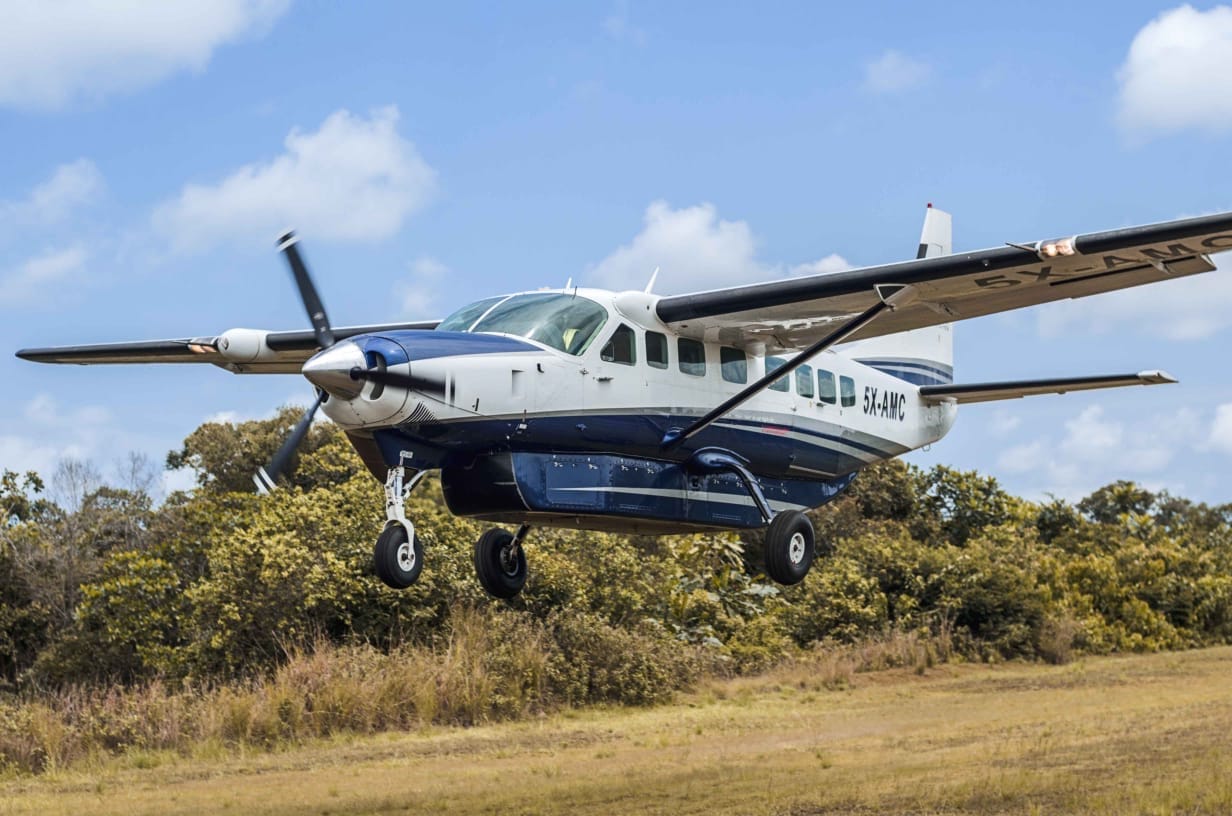
Evita le lunghe strade polverose salendo a bordo di un piccolo aereo che ti porterà direttamente alle remote piste di atterraggio situate nelle aree selvagge dell’Uganda.
- Cosa succede
Si arriva all’aeroporto internazionale di Entebbe o a un hub regionale per salire a bordo di un moderno velivolo Caravan. Al decollo, si può ammirare una spettacolare vista a volo d’uccello sul Lago Vittoria, sui fiumi sinuosi e sui paesaggi mutevoli. Dopo un volo breve e tranquillo, il pilota atterra su una pista di atterraggio nella savana, dove la vostra guida di Huko Safaris vi attende con un veicolo decappottabile per accompagnarvi direttamente al vostro lodge o per un safari immediato.
- Come ci si sente
In pochi minuti si passa dal trambusto cittadino all'isolamento totale. La leggera vibrazione dell'aereo a elica trasmette una vera sensazione di esplorazione. Guardando fuori dal finestrino ci si rende conto con serenità di quanto l'Africa orientale sia davvero vasta e incontaminata.
- A chi è rivolto
Ideale per viaggiatori esigenti, appassionati di fotografia e visitatori con poco tempo a disposizione che desiderano sfruttare al massimo i giorni trascorsi sul posto.
- Buono a sapersi
Sui piccoli aerei nazionali vigono rigidi limiti di bagaglio, solitamente limitati a quindici chilogrammi per passeggero in borse morbide. I voli dipendono dalle condizioni meteorologiche e consentono un notevole risparmio di tempo, trasformando un viaggio in auto di dieci ore in un comodo volo di un’ora.
Safari con Safari in aereo
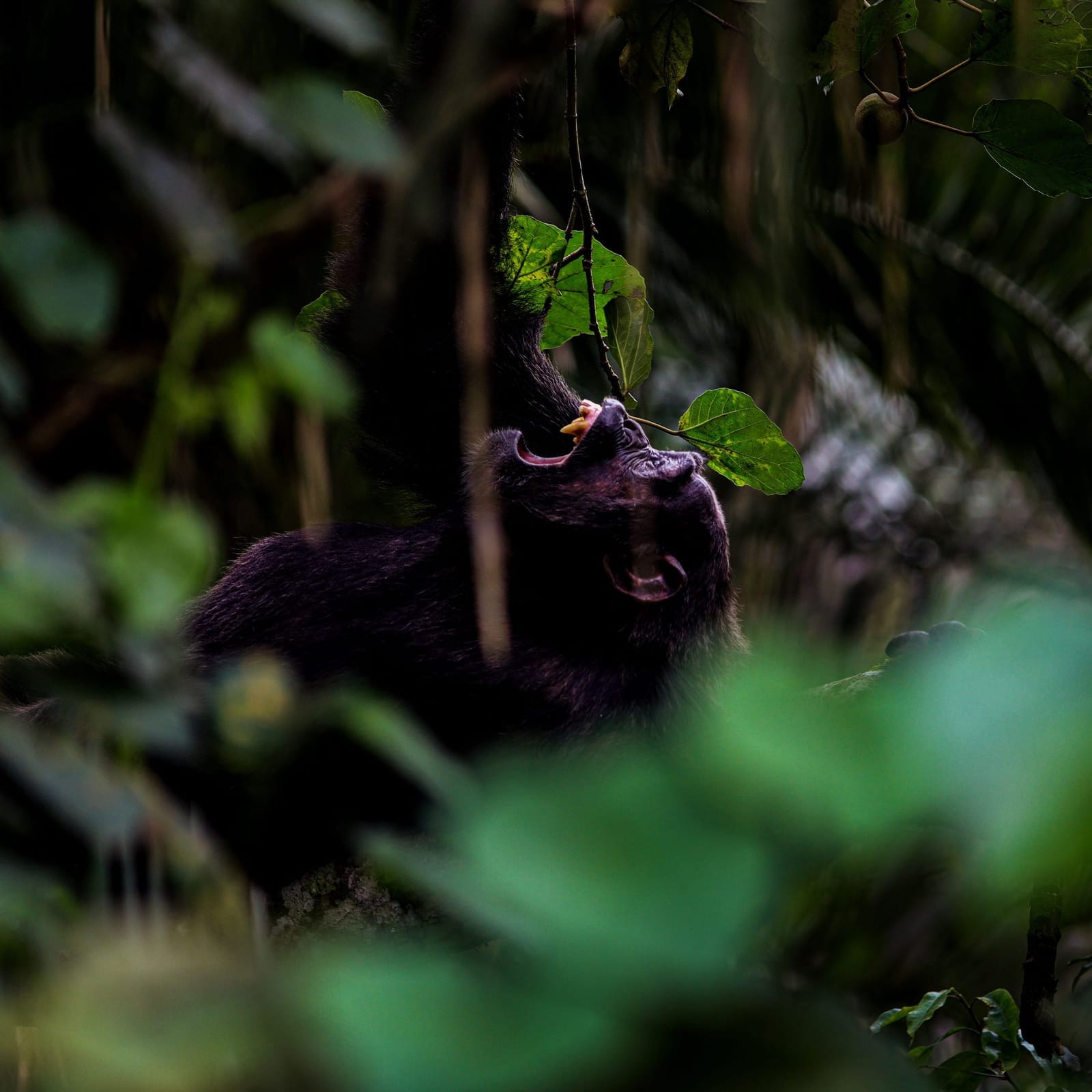
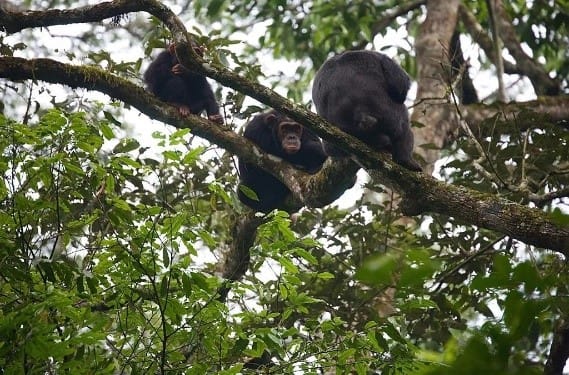
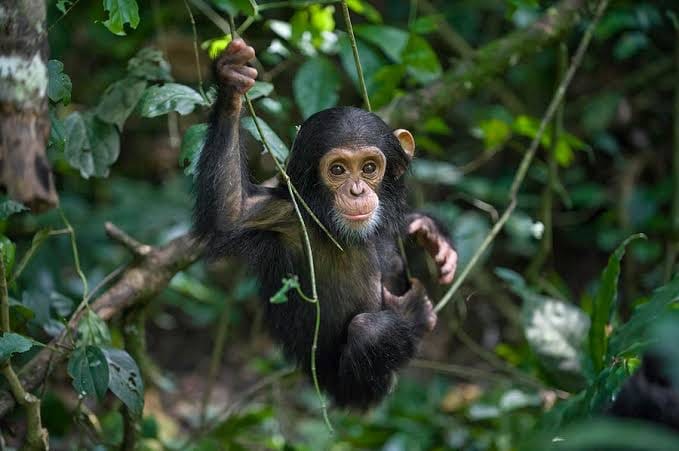
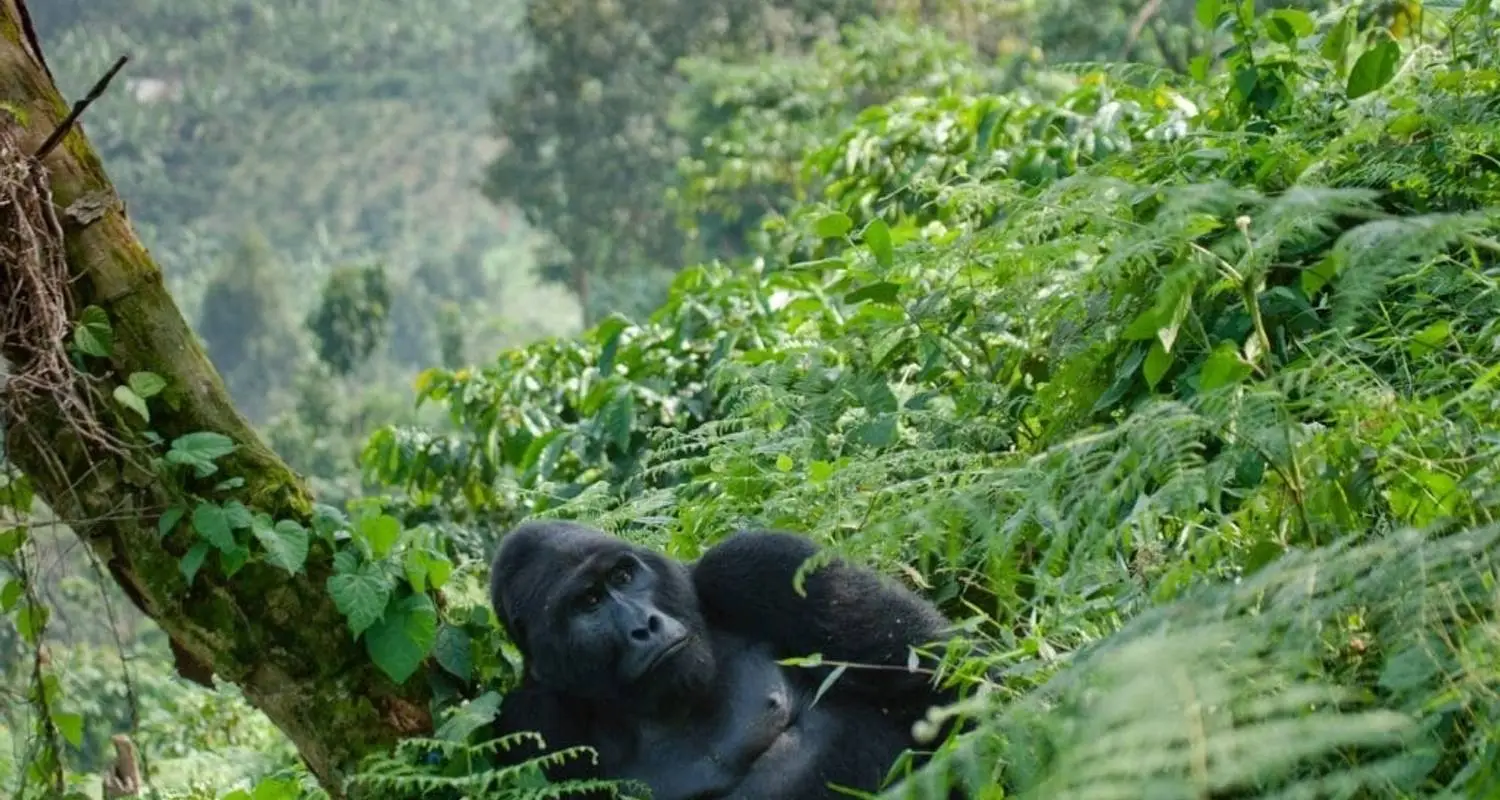
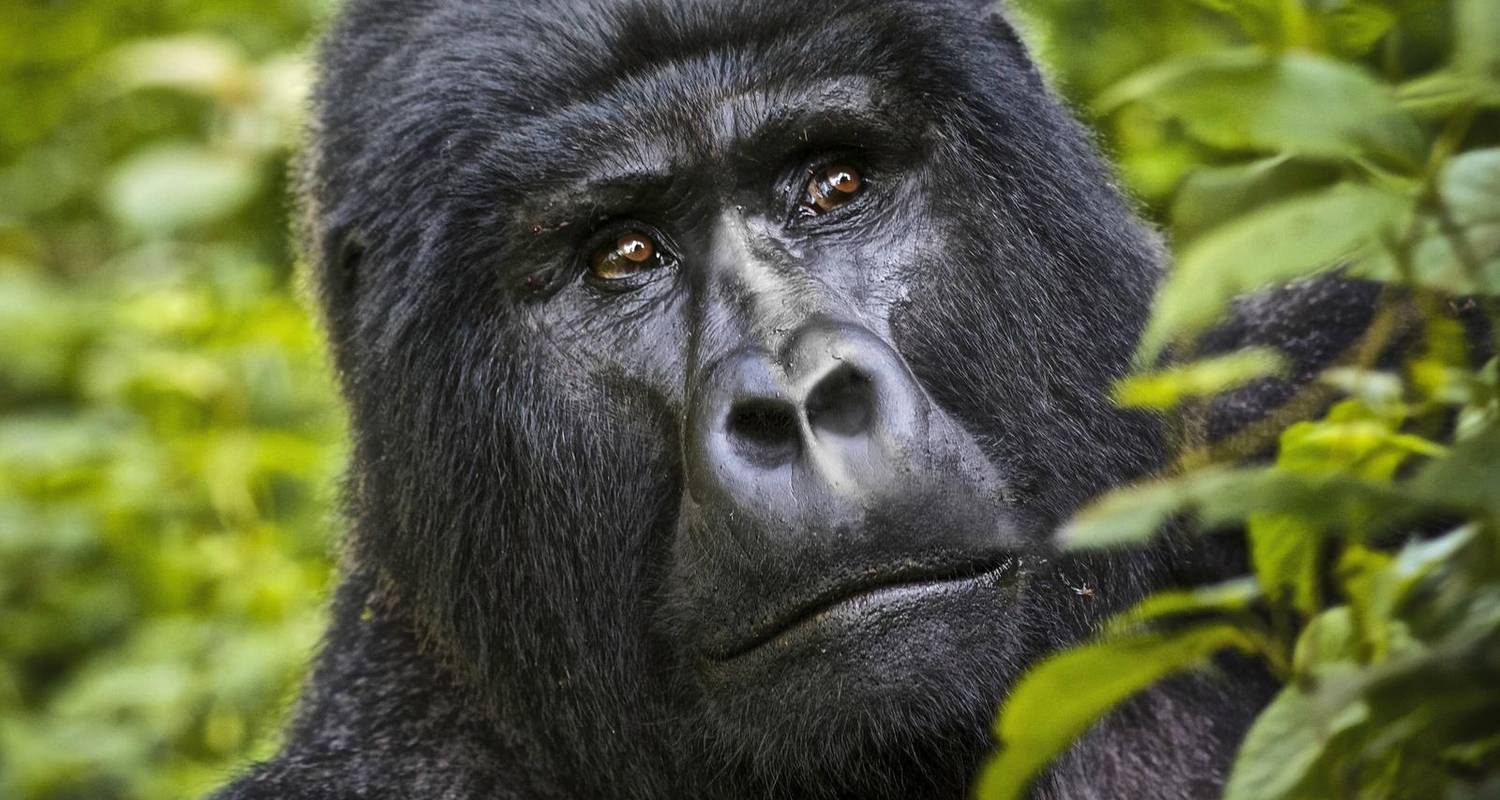
5 giorni alla scoperta dei primati della Terra
Questo viaggio ti offrirà tutto ciò che desideri vivere e imparare sui primati.
4600 € Salva 5%
4370 € a persona
Dove andare Safari in aereo in Uganda
Bwindi Impenetrable National Park
Many luxury travel brochures heavily use romantic adjectives to describe Bwindi Impenetrable National Park, but its true magic lies in its geological antiquity. Unlike most African forests that changed into savannah during the last Ice Age, this wedge of the Albertine Rift remained trapped in a pocket of moisture for over twenty-five thousand years. Because this ecosystem never died back, evolution never paused, creating a primordial sanctuary where ancient volcanic ridges hold roughly half of the world's mountain gorillas alongside wild chimpanzees. It is a UNESCO World Heritage Site, and when you step into this forest, you are entering an unbroken biological time capsule that has looked exactly like this since mammoths roamed the earth. The internal geography of these 321 square kilometers creates distinctly different experiences depending on where you base your stay or trek in the four sectors of the park. The forest floor climbs and drops from 1,160 meters to over 2,600 meters above sea level, splitting the park into microclimates across four tracking sectors. The northern sector of [Buhoma](/uganda/national-parks/bwindi-impenetrable-national-park/buhoma-sector/) offers warmer temperatures and gentler valley floors ideal for a more relaxed pace, whereas the southern ridges of [Nkuringo](/uganda/national-parks/bwindi-impenetrable-national-park/nkuringo-sector/) and [Rushaga](/uganda/national-parks/bwindi-impenetrable-national-park/rushaga-sector/) present strenuous vertical challenges that reward active hikers with sweeping rift views. [Ruhija](/uganda/national-parks/bwindi-impenetrable-national-park/ruhija-sector/) sector, in the eastern part of the Park, is the highest and coldest sector, sitting at an elevation of about 2,340 to 2,500 meters above sea level. This makes it arguably the most topographically beautiful region for visitors. When you come to trek, we pair you with the specific trailhead that matches your personal physical comfort, ensuring your encounter with the gorillas is exhilarating rather than exhausting. One thing that surprises many of our guests is the complete absence of a buffer zone around the park perimeter. The canopy ends on a definitive, sharp line, met by the cultivated, terraced tea estates of the local communities. From the terrace of your luxury lodge, your view gives you a depth of context that standard wildlife viewing simply cannot match.
Kidepo Valley National Park
Kidepo Valley National Park is Uganda’s most remote and beautiful savanna wilderness, spanning 1,442 square kilometers in the extreme northeastern Karamoja region. Bordering South Sudan and Kenya, the park features a dramatic landscape dominated by the Narus and Kidepo valleys, flanked by the soaring Mount Morungole and rugged mountain ranges. Because it is isolated, it receives a fraction of the tourists found in western Uganda, providing an exclusive, untamed safari atmosphere reminiscent of Africa fifty years ago. The park protects a diverse ecosystem of montane forests and semi-arid savanna grasslands. It is home to 86 mammal species and over 460 bird species, including many found nowhere else in the country.
Entebbe
Entebbe sits on a peninsula in Lake Victoria, 35 kilometers south of Kampala, and is home to Entebbe International Airport, the arrival and departure point for nearly every Uganda safari, and it is where you'll land if you're coming into the country. Most itineraries spend a first or last night here rather than pushing straight through Kampala's traffic, to allow for rest from a long flight or prepare and rest before one.
Murchison Falls National Park
Murchison Falls National Park is Uganda's largest and oldest national park, centered on the Nile River as it forces its way through a narrow, 7-meter-wide gorge to form the world's most powerful waterfall: Murchison Falls. The Victoria Nile bisects the park into two distinct ecosystems: the open, game-rich northern savanna and the dense southern tropical woodlands. President Idi Amin temporarily renamed it Kabalega National Park in honor of King Kabalega of the Bunyoro Kingdom before it was reverted to Murchison Falls. While four of the "Big Five" (elephants, lions, leopards, and buffaloes) can be seen in the park, the rhinos are not here and can instead be tracked on foot at the Ziwa Rhino Sanctuary, south of the park. In addition, the southern edge of Murchison Falls National Park encompasses Budongo Forest, which protects a large community of habituated chimpanzees and extensive mahogany trees.