
Uganda National Park
Bwindi Impenetrable National Park
Local expert: Enoch, Huko Safaris
Last updated October 23, 2026
- Best Time to Visit
- Jun - Sept, Dec - Feb
- How Long to Stay
- 2-4 nights
- Type
- national park
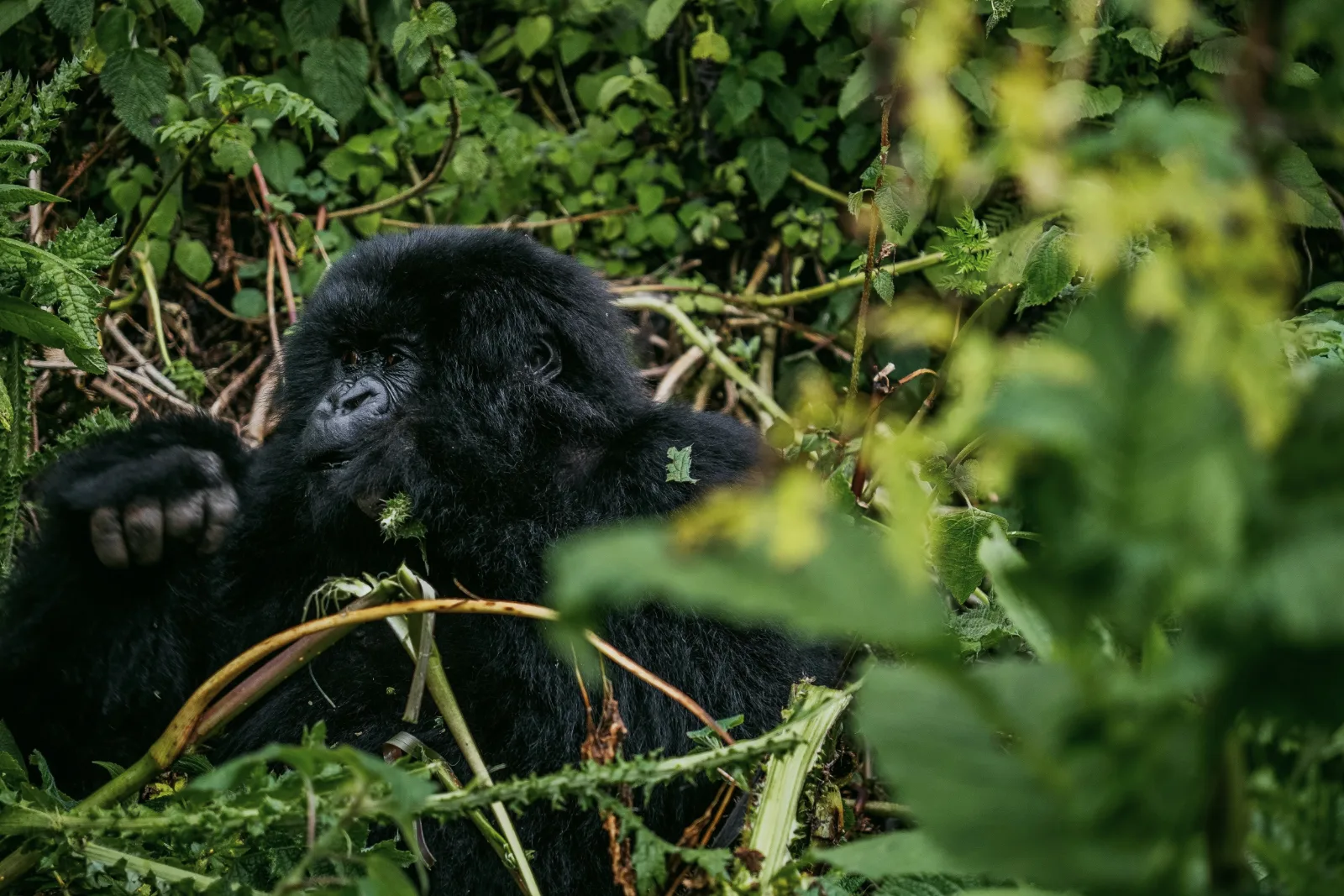
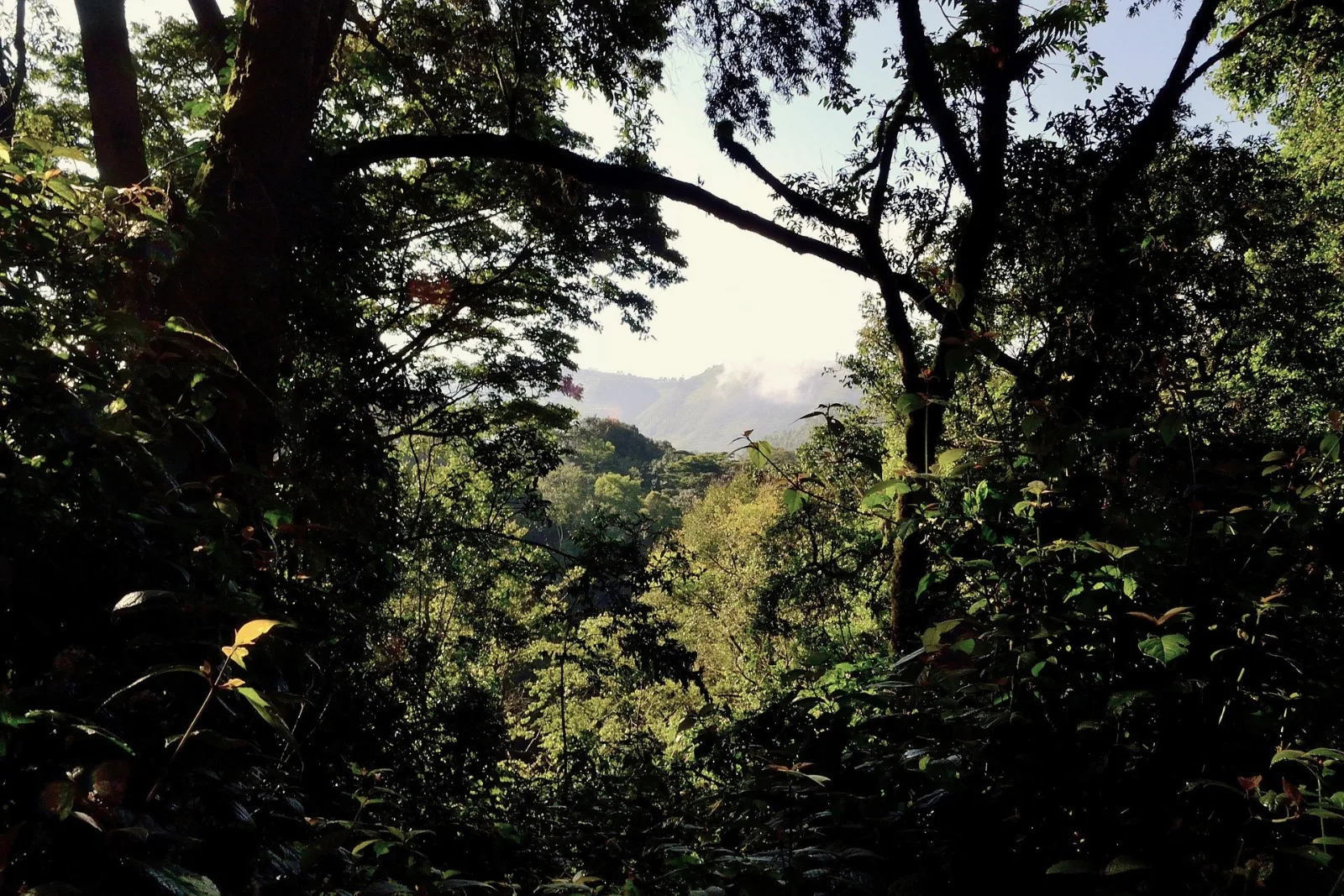
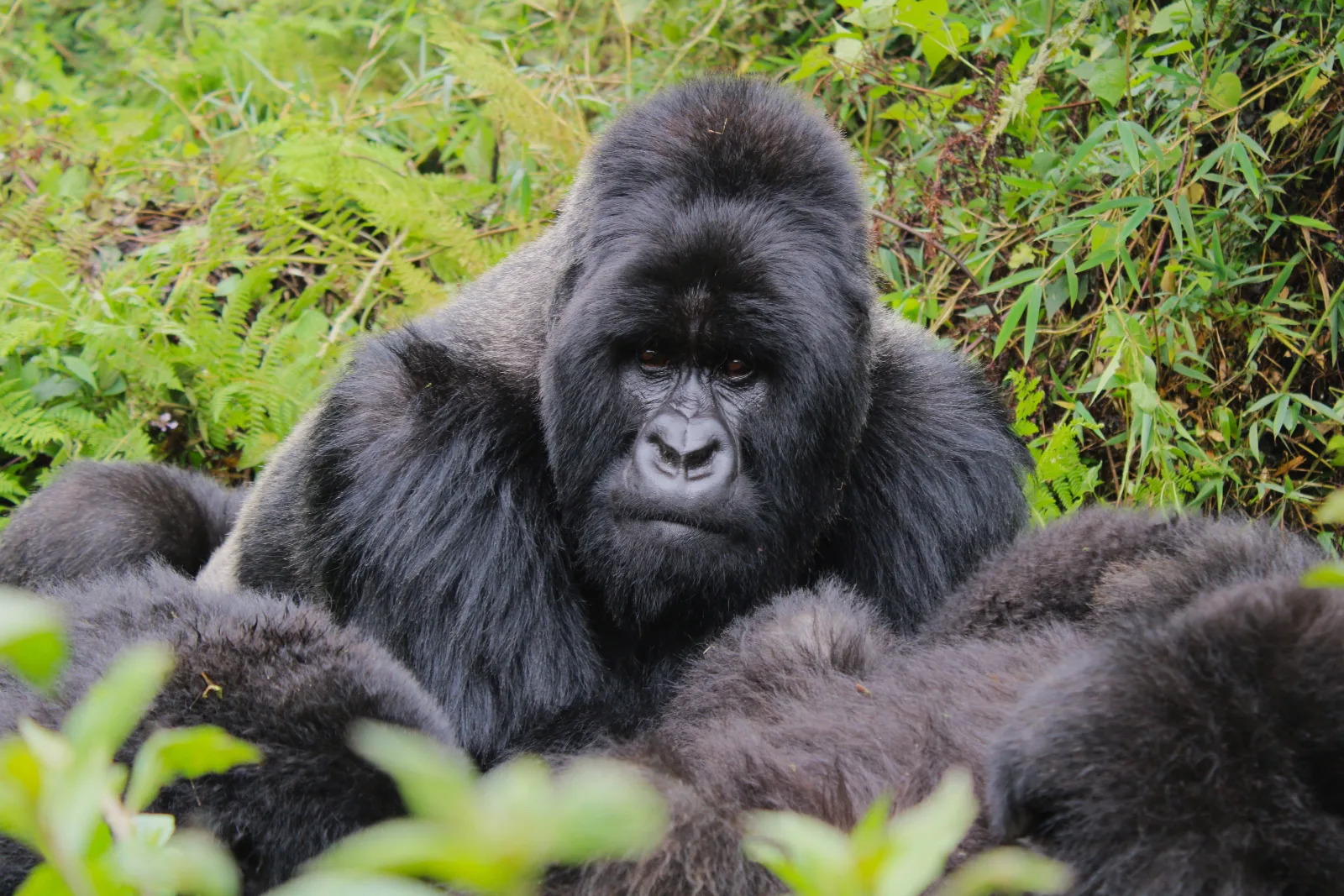
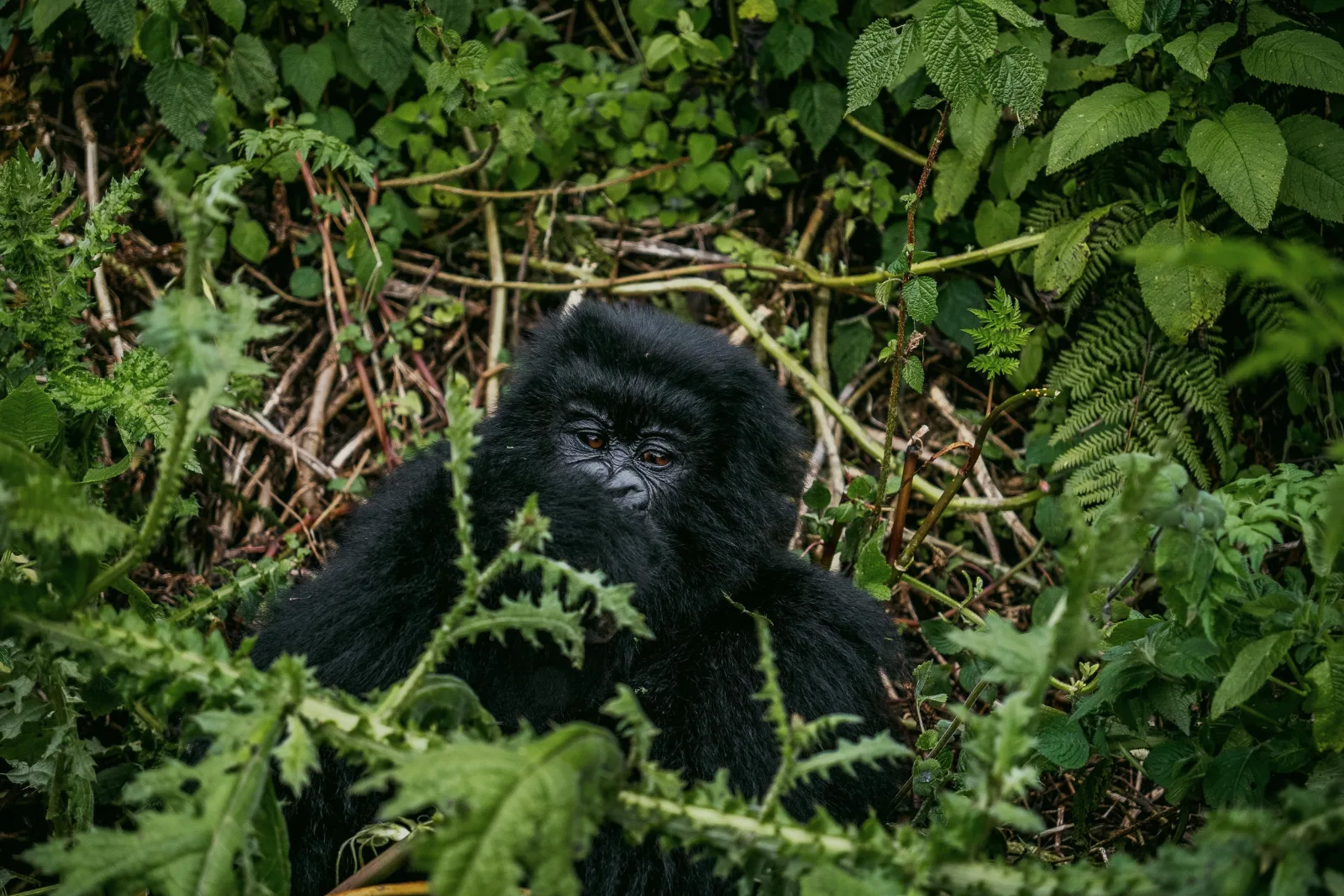
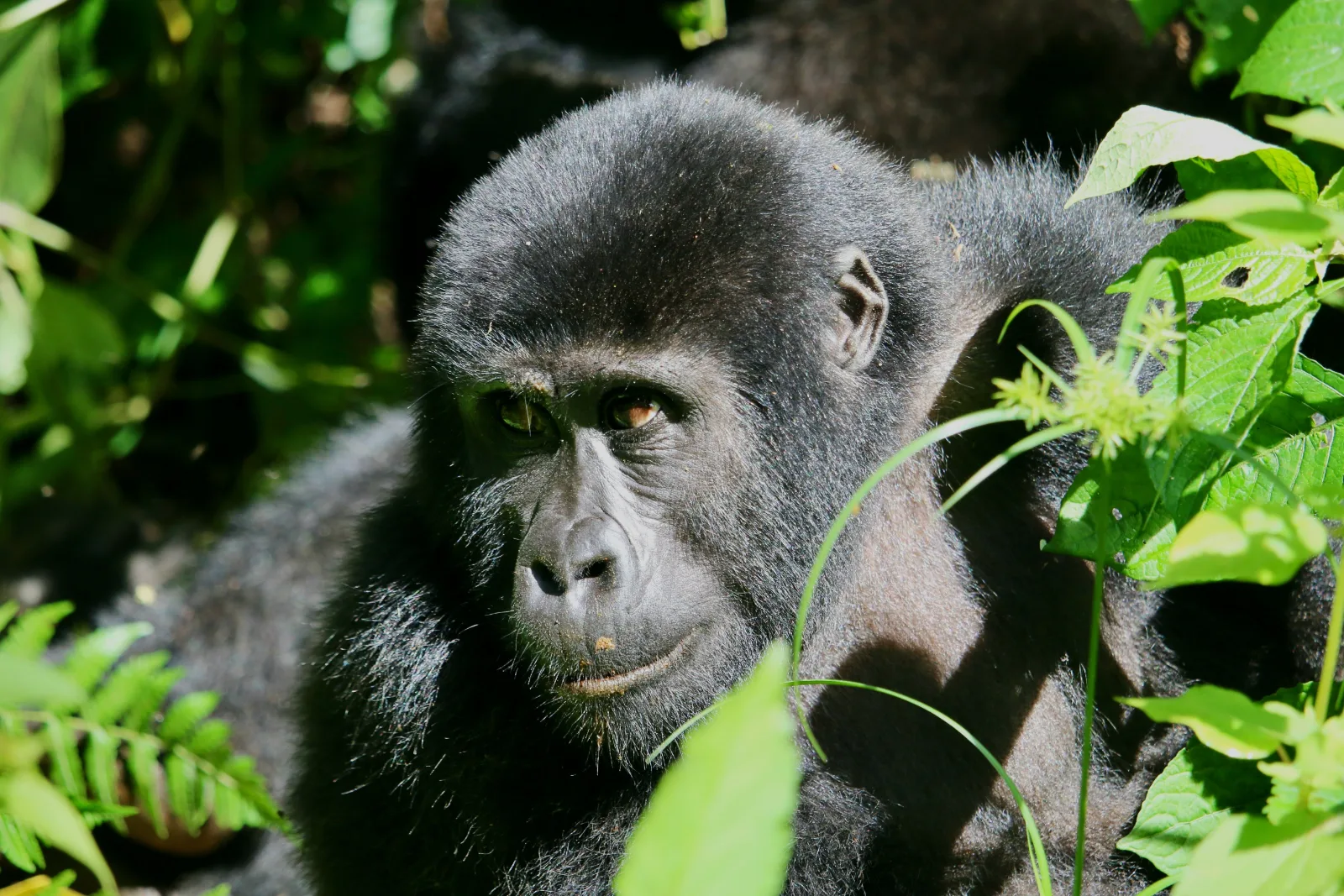
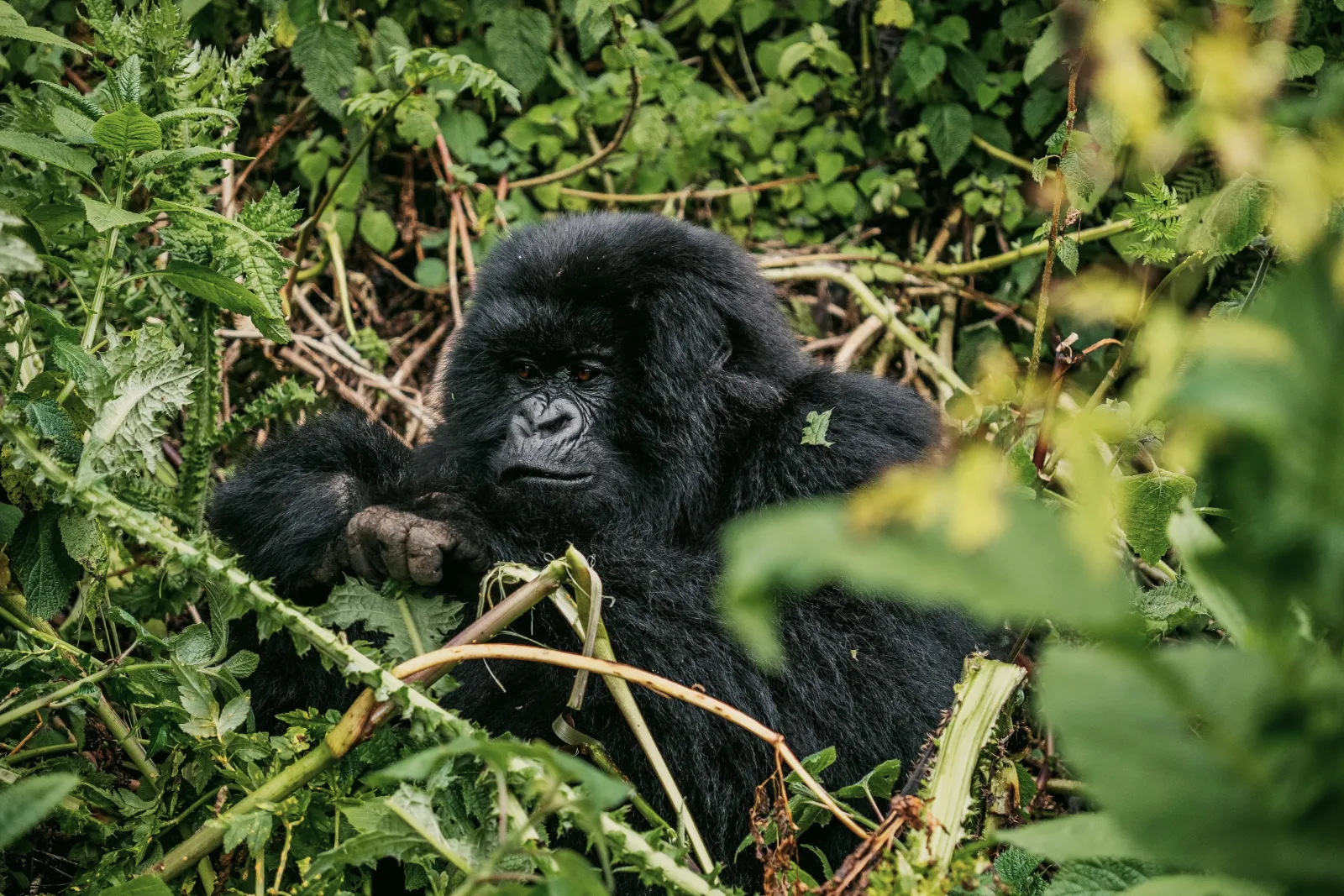
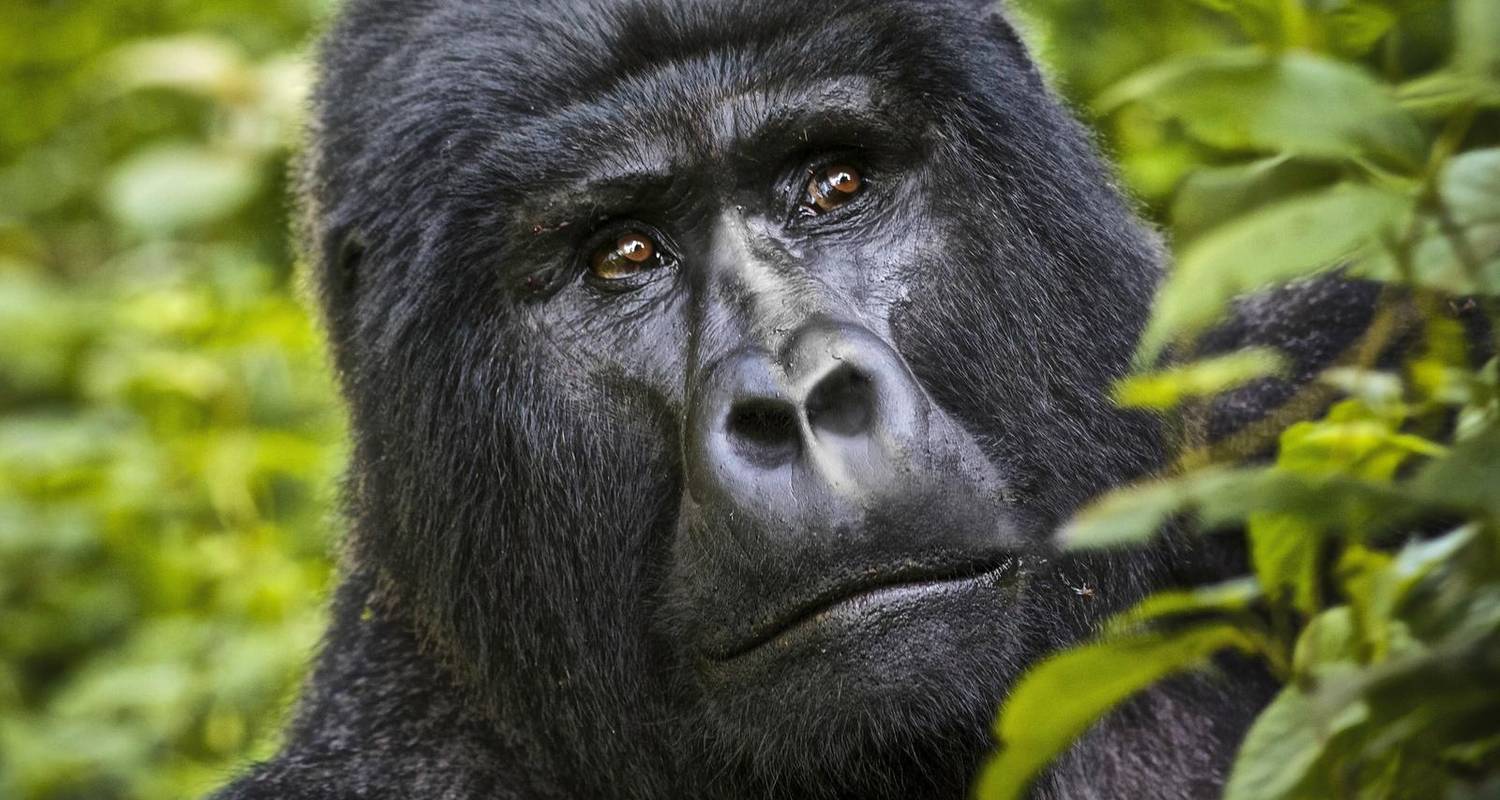
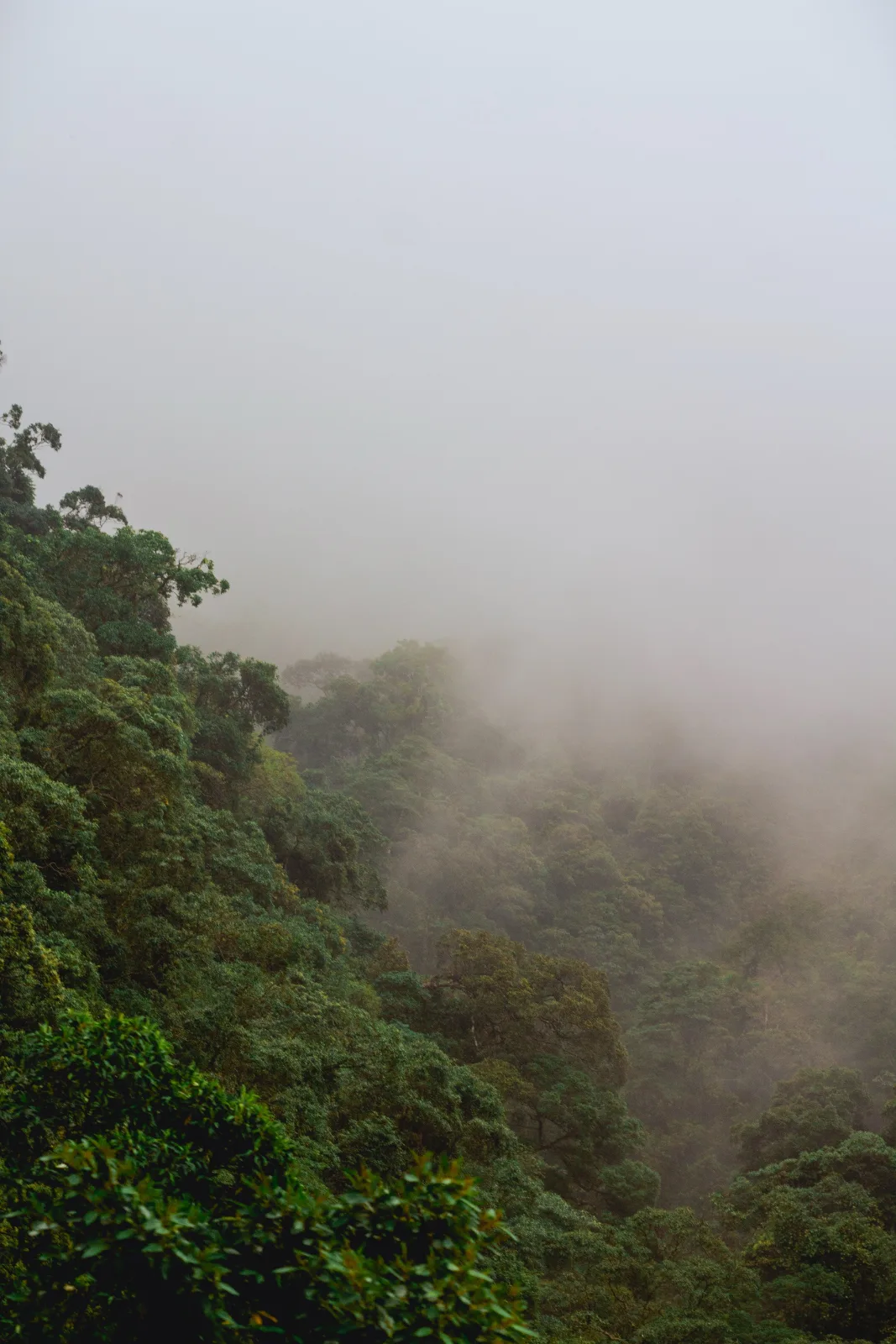
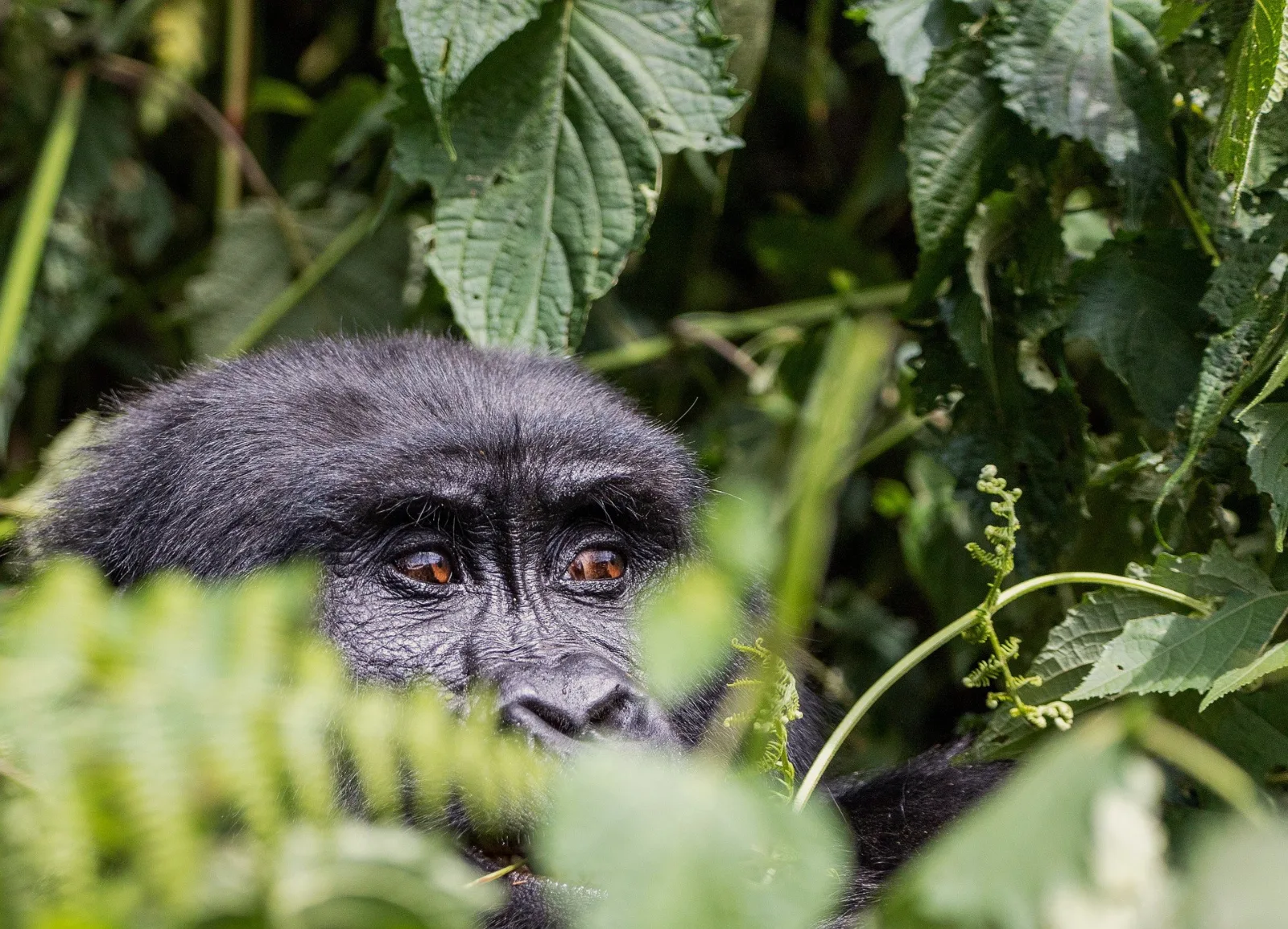
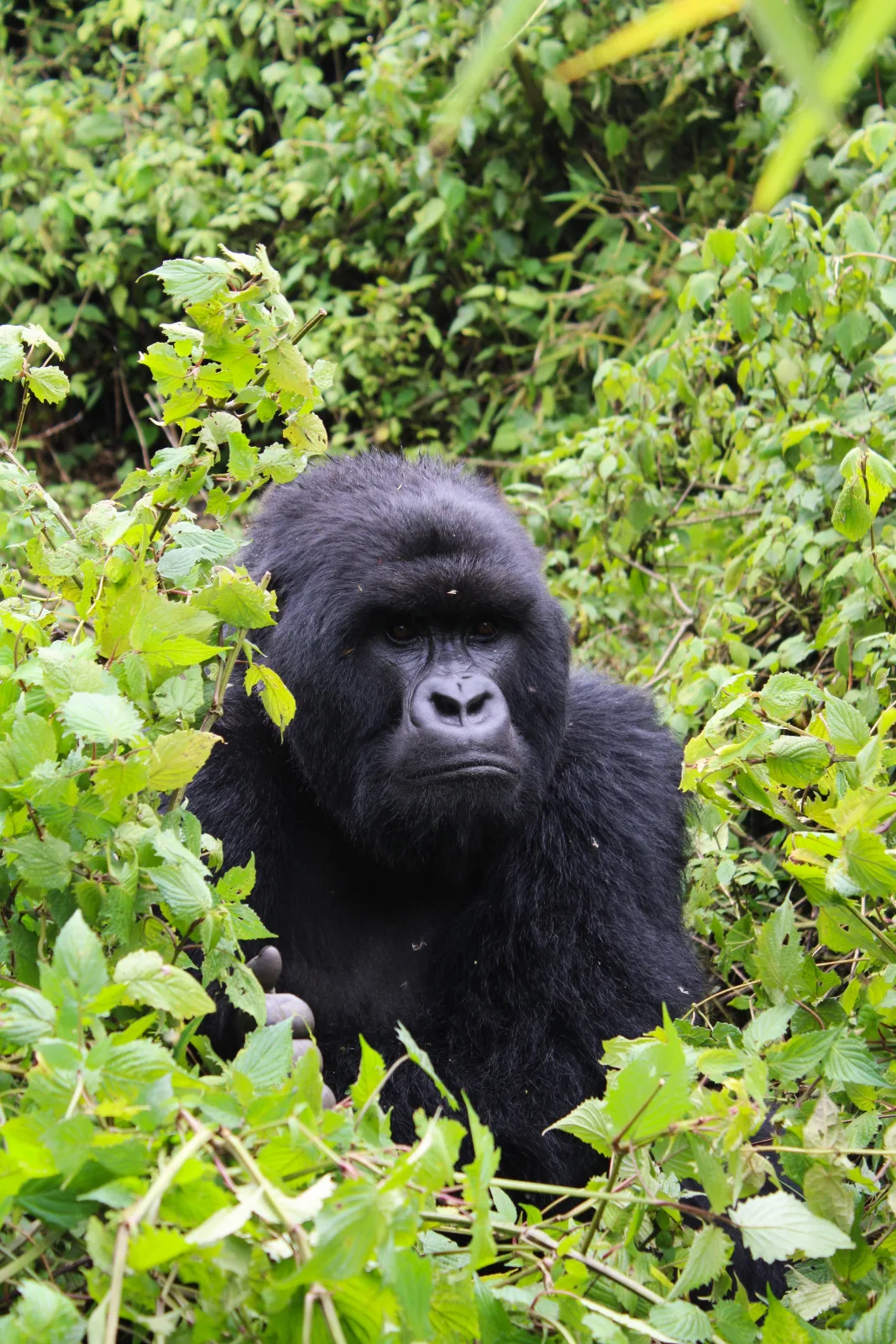
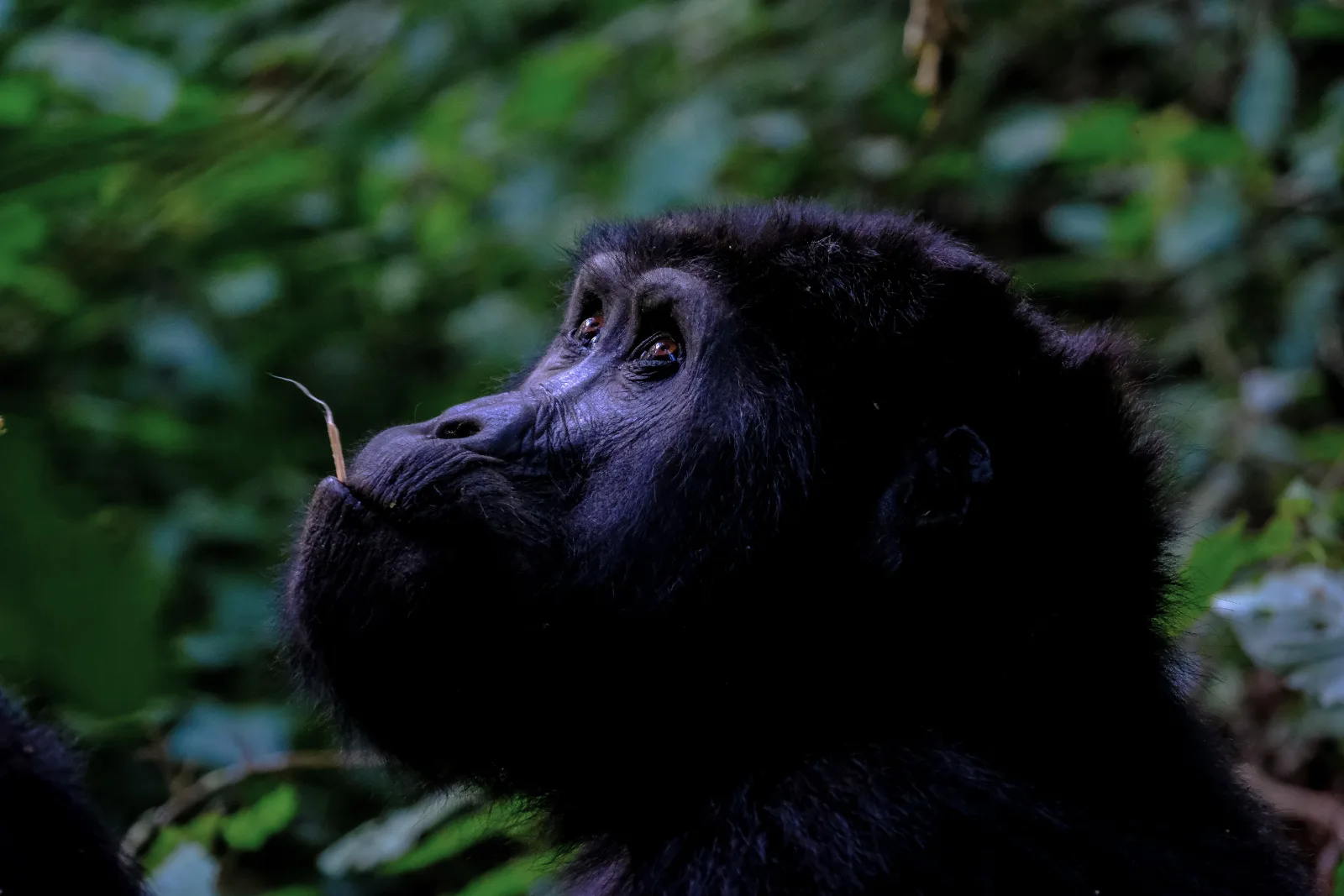
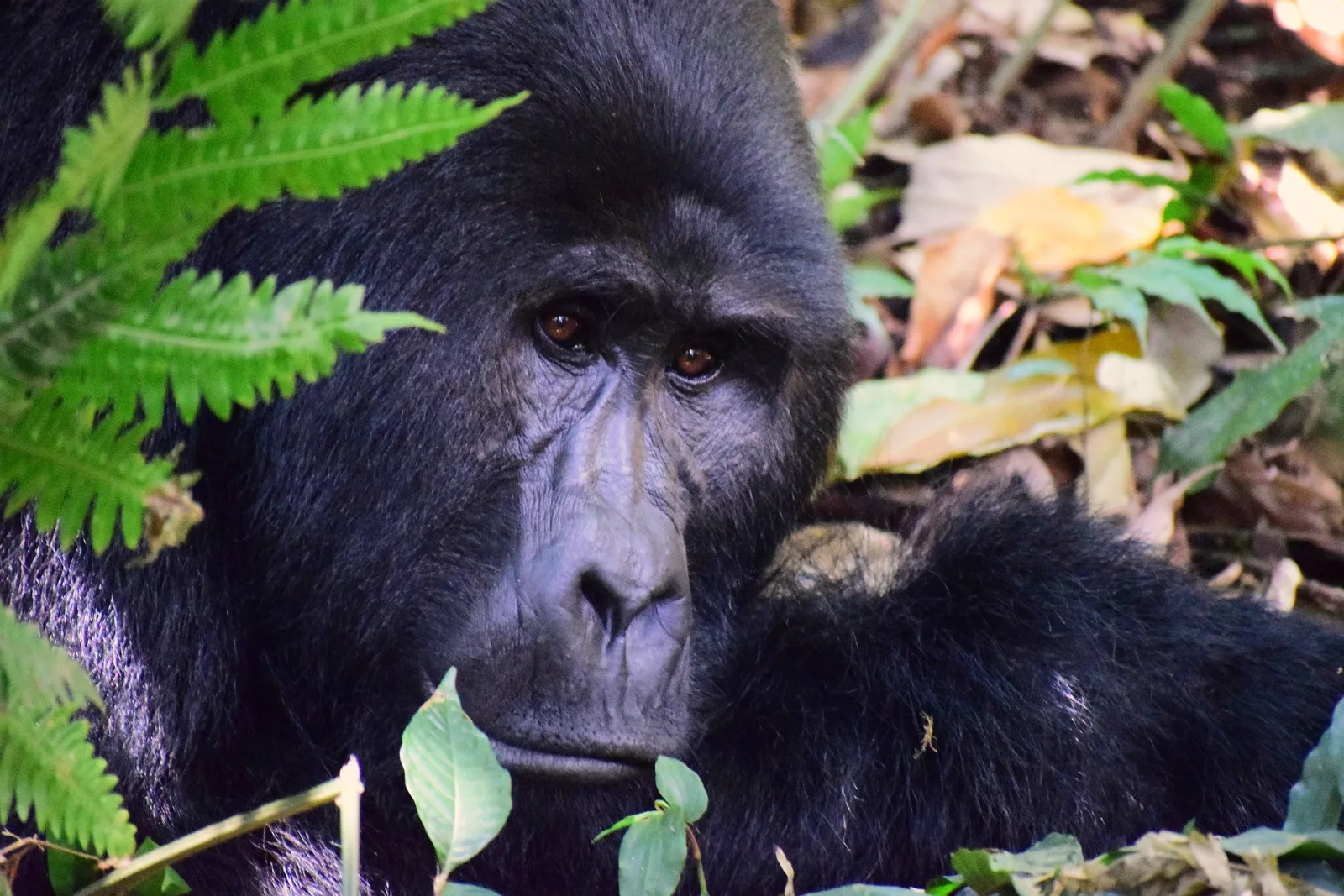
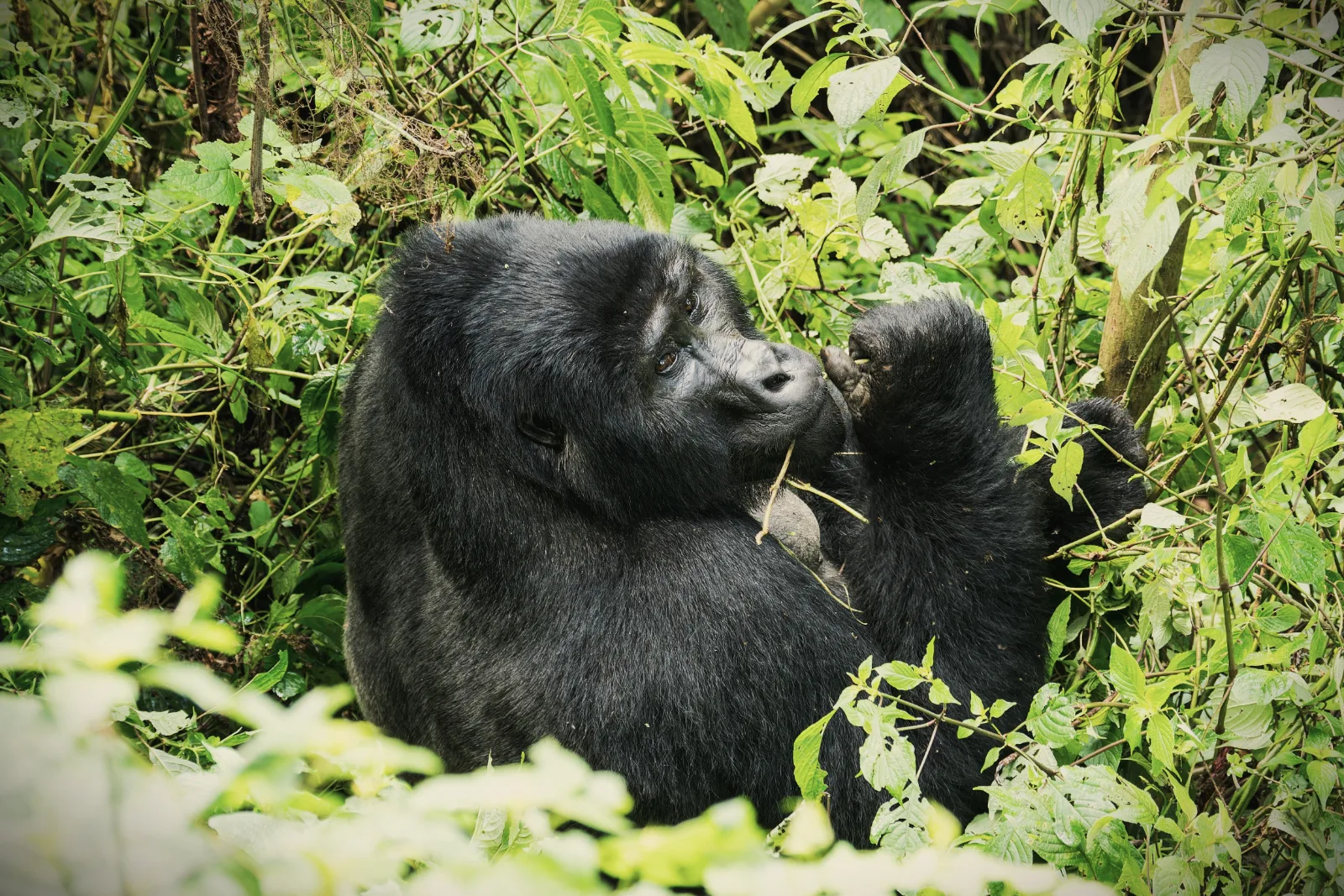
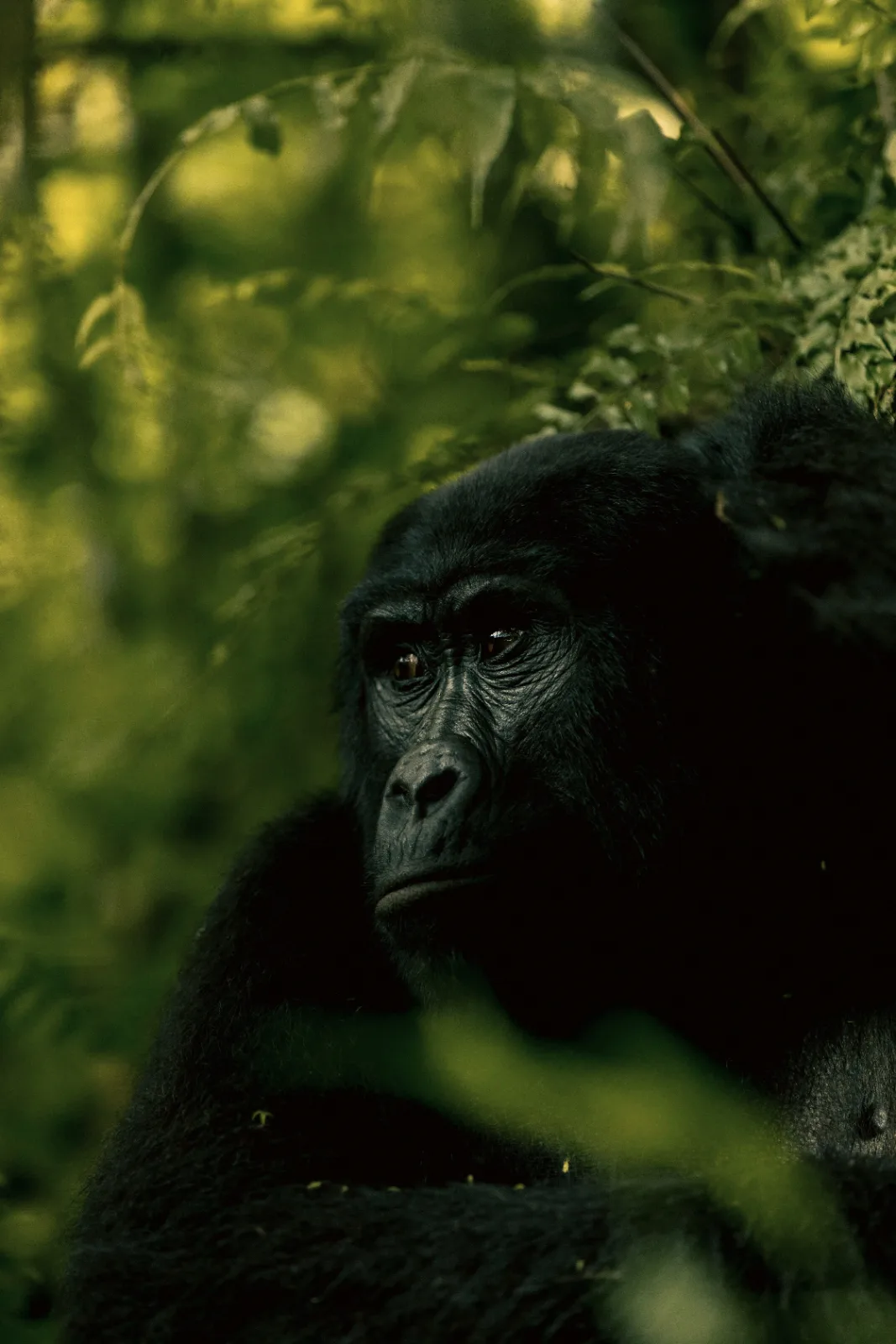
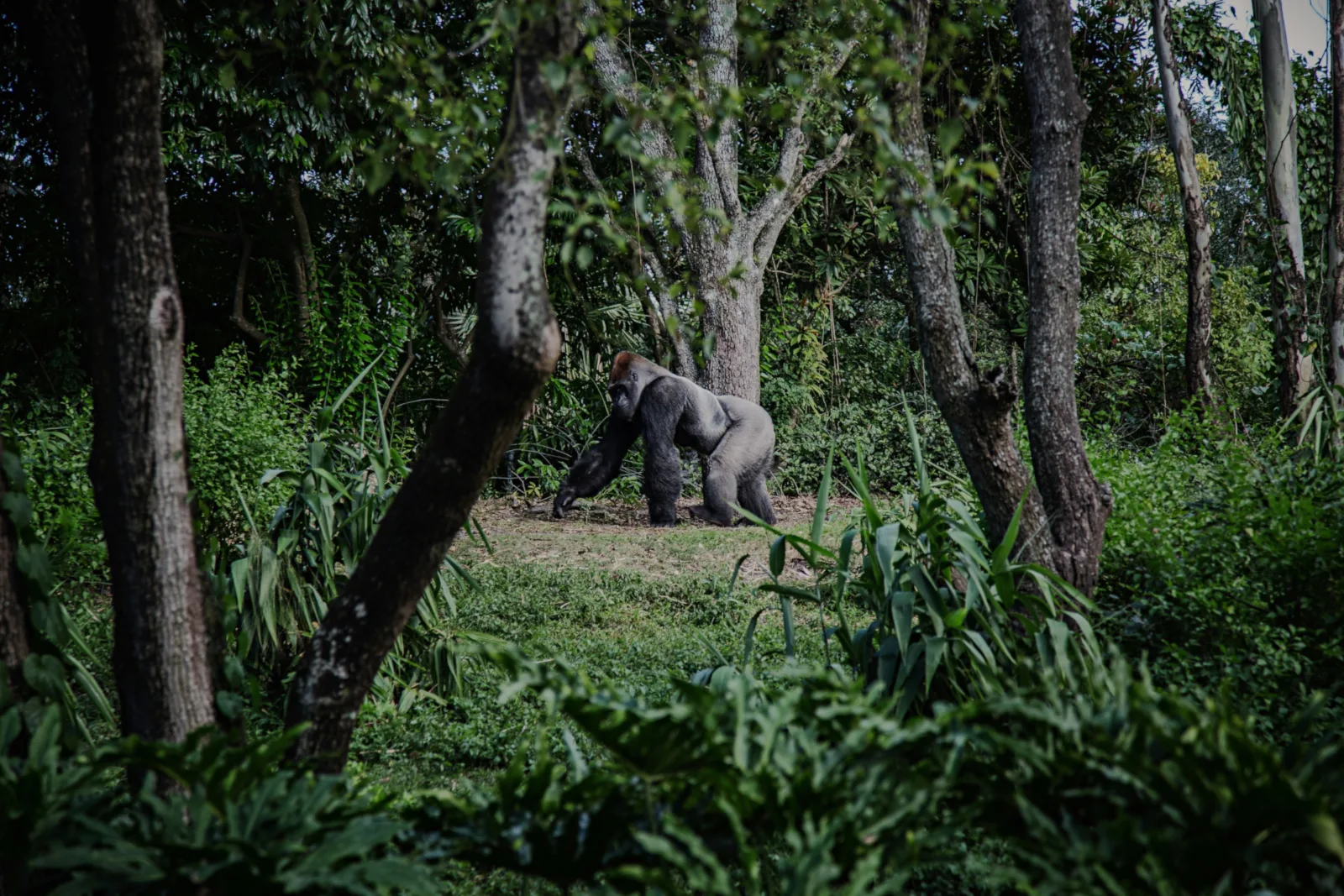
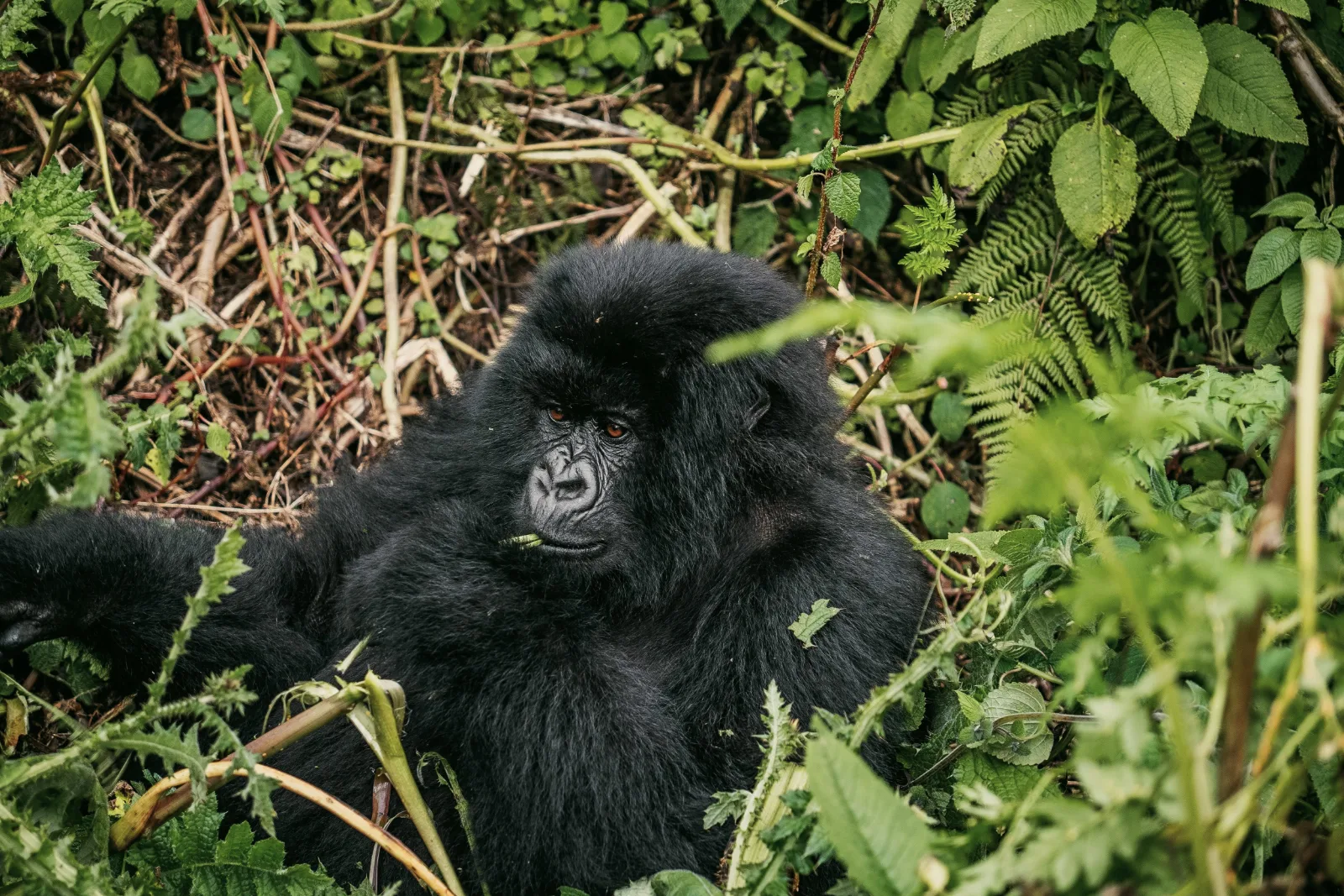
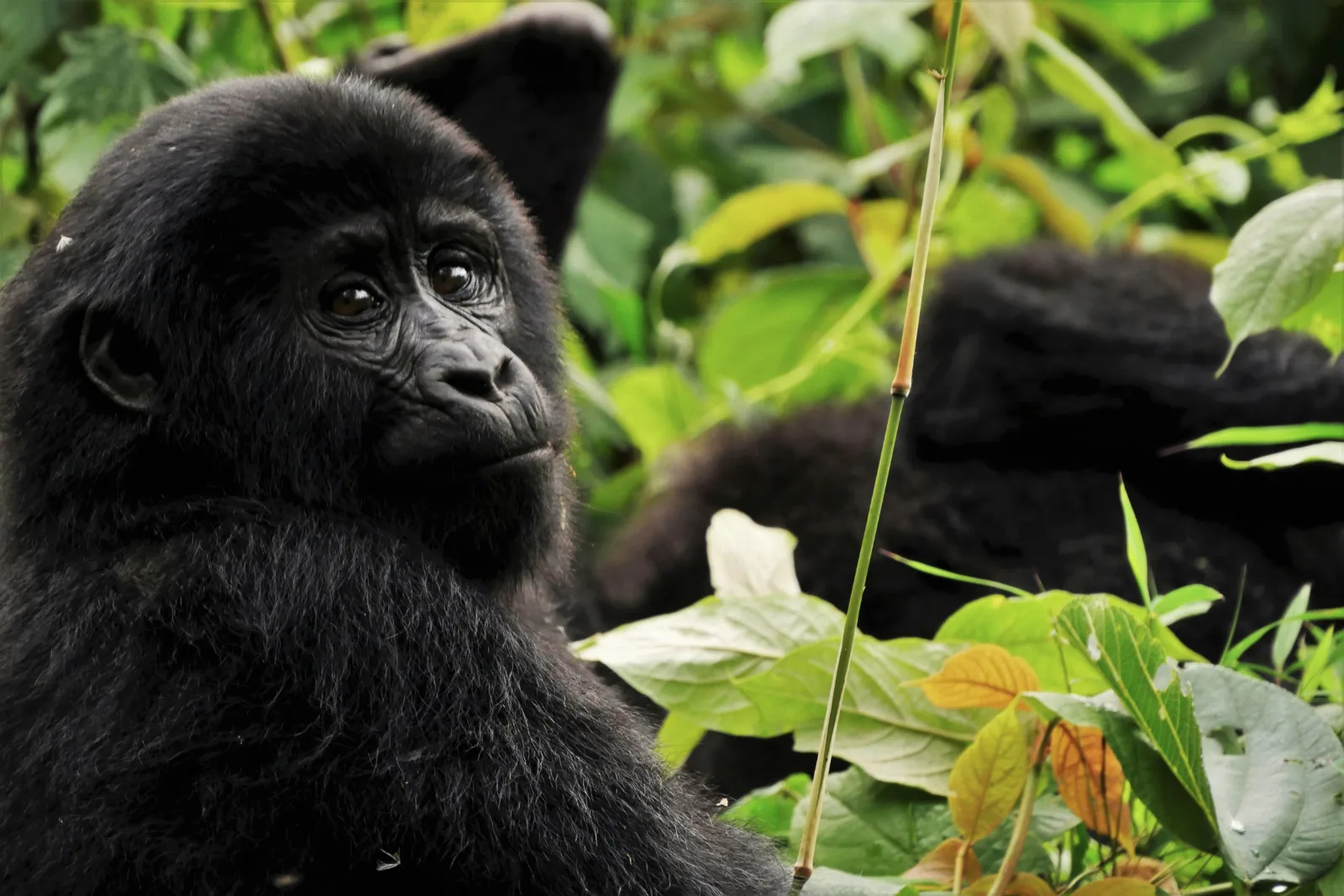
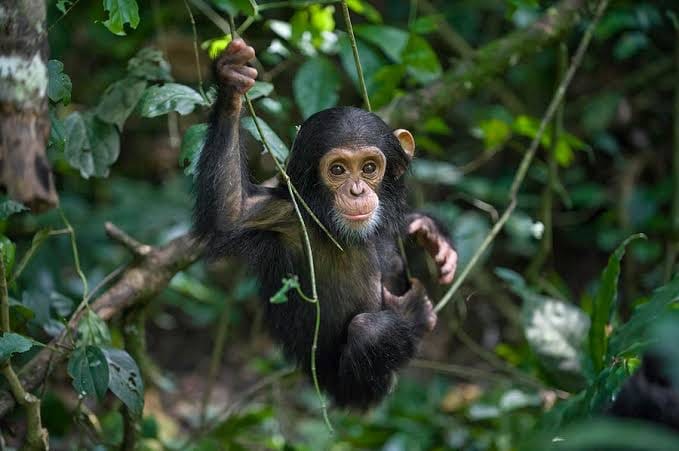
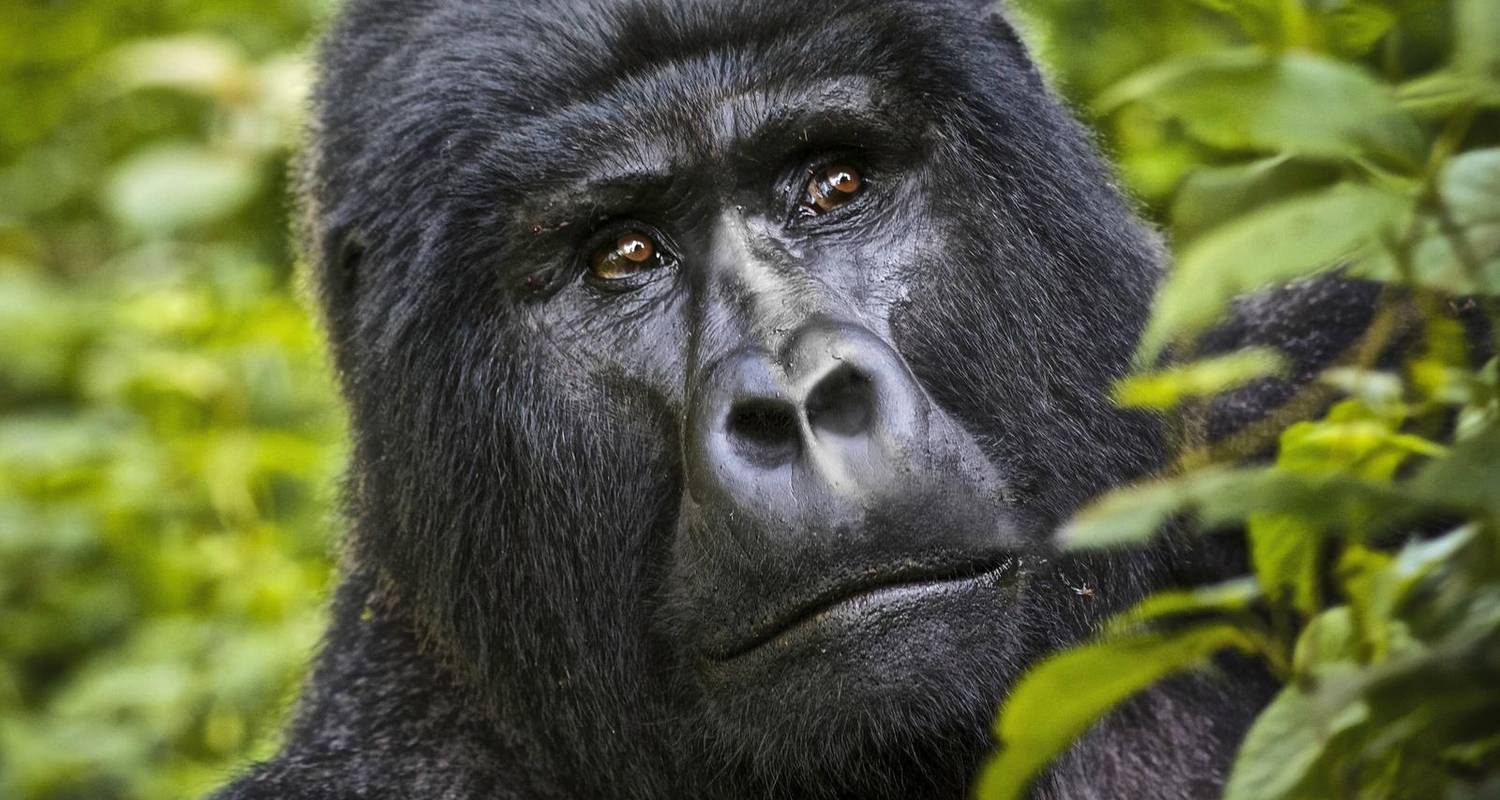
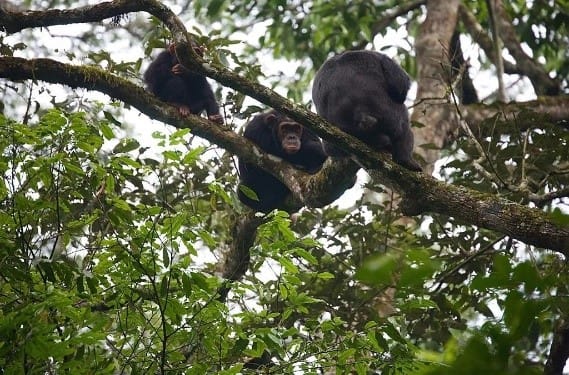
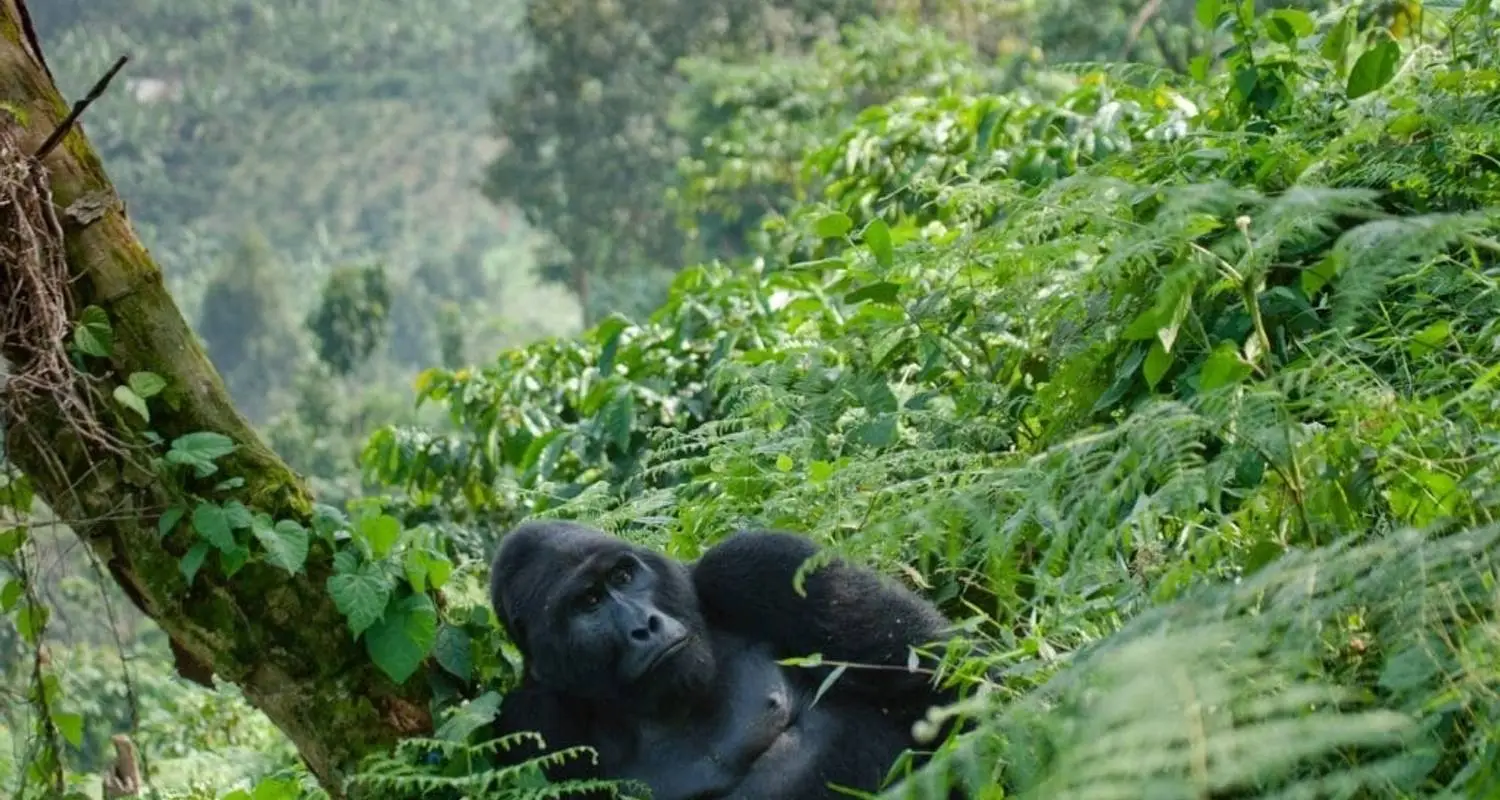
Many luxury travel brochures heavily use romantic adjectives to describe Bwindi Impenetrable National Park, but its true magic lies in its geological antiquity. Unlike most African forests that changed into savannah during the last Ice Age, this wedge of the Albertine Rift remained trapped in a pocket of moisture for over twenty-five thousand years. Because this ecosystem never died back, evolution never paused, creating a primordial sanctuary where ancient volcanic ridges hold roughly half of the world's mountain gorillas alongside wild chimpanzees. It is a UNESCO World Heritage Site, and when you step into this forest, you are entering an unbroken biological time capsule that has looked exactly like this since mammoths roamed the earth.
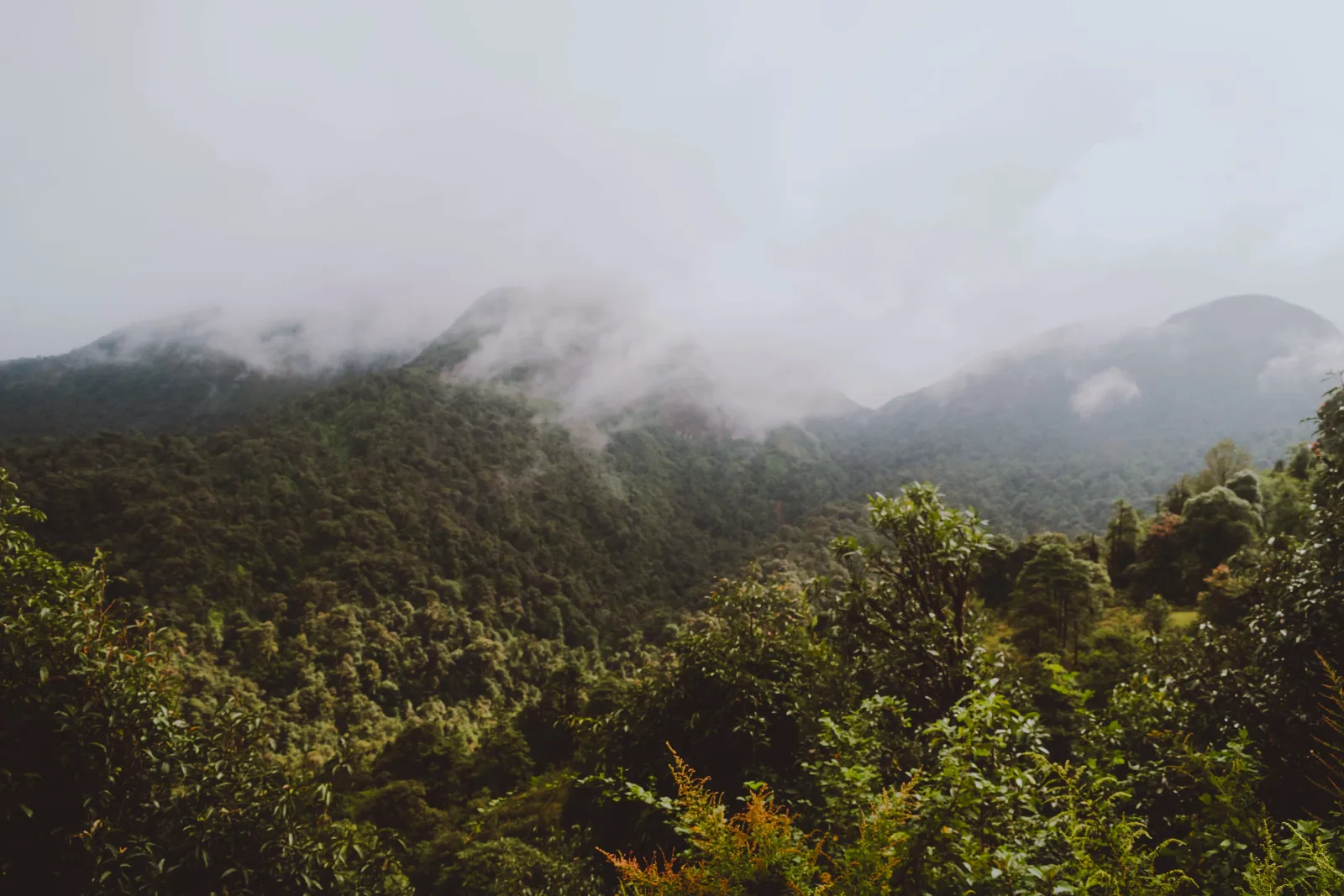
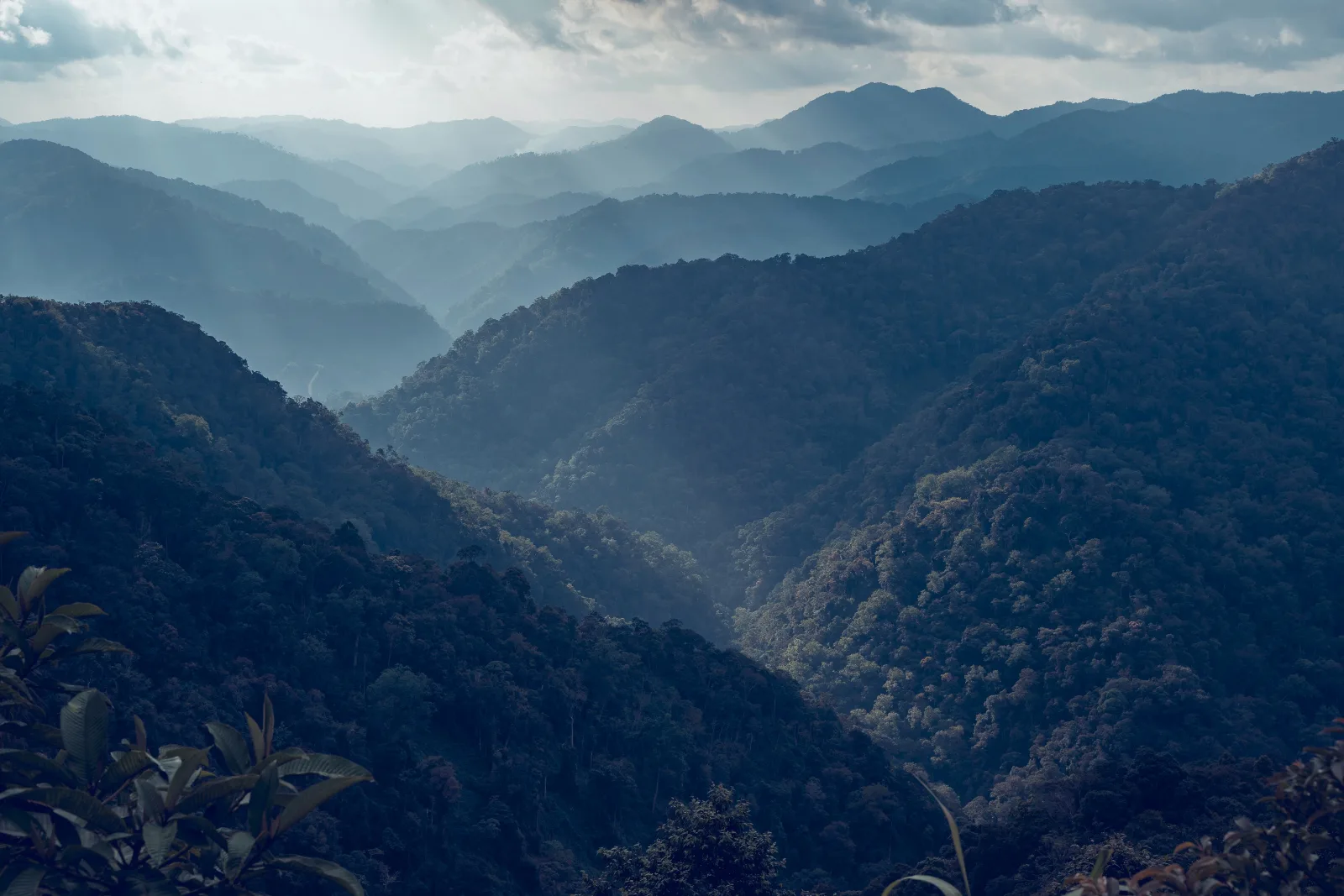
The internal geography of these 321 square kilometers creates distinctly different experiences depending on where you base your stay or trek in the four sectors of the park. The forest floor climbs and drops from 1,160 meters to over 2,600 meters above sea level, splitting the park into microclimates across four tracking sectors. The northern sector of Buhoma offers warmer temperatures and gentler valley floors ideal for a more relaxed pace, whereas the southern ridges of Nkuringo and Rushaga present strenuous vertical challenges that reward active hikers with sweeping rift views. Ruhija sector, in the eastern part of the Park, is the highest and coldest sector, sitting at an elevation of about 2,340 to 2,500 meters above sea level. This makes it arguably the most topographically beautiful region for visitors. When you come to trek, we pair you with the specific trailhead that matches your personal physical comfort, ensuring your encounter with the gorillas is exhilarating rather than exhausting.
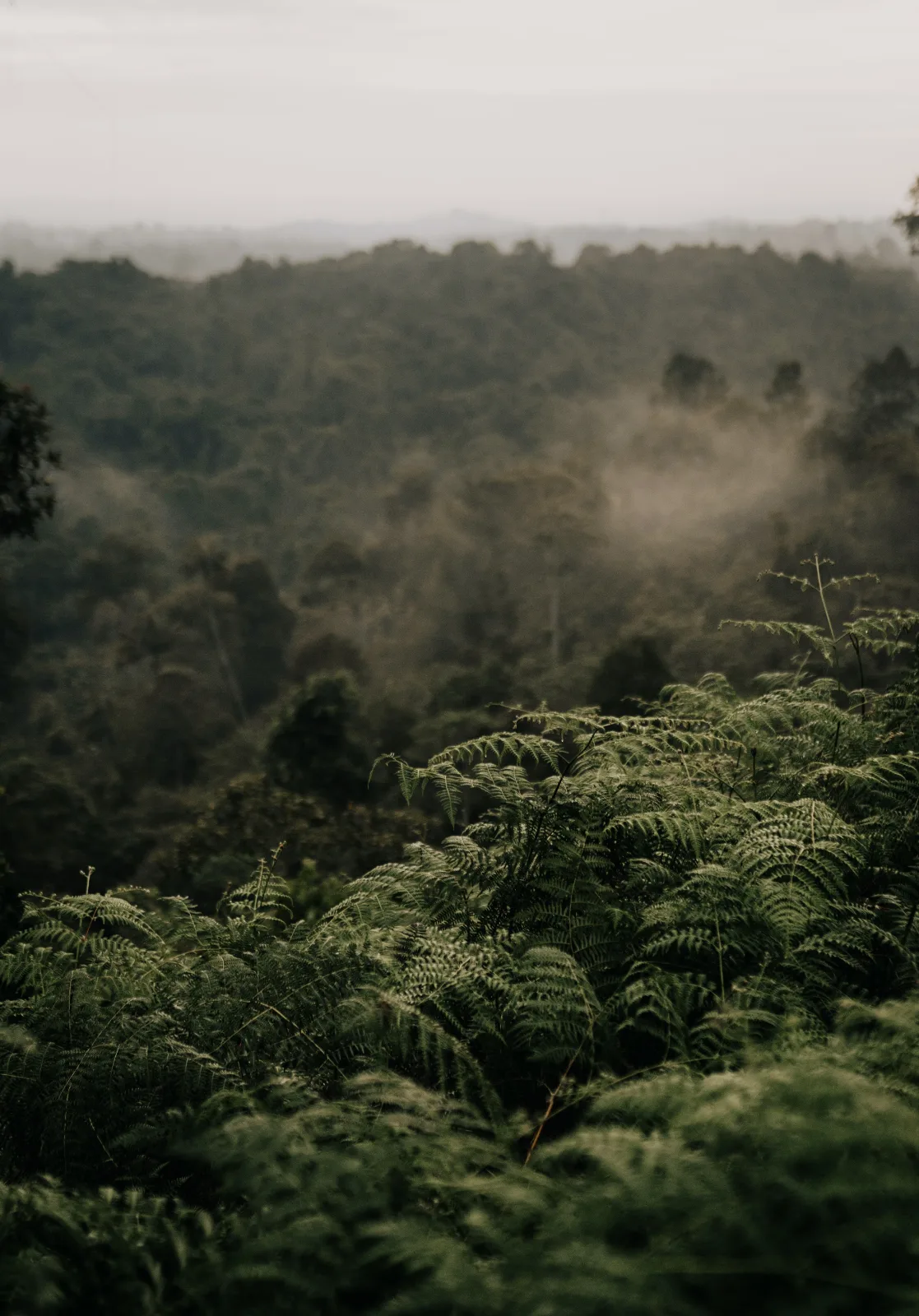
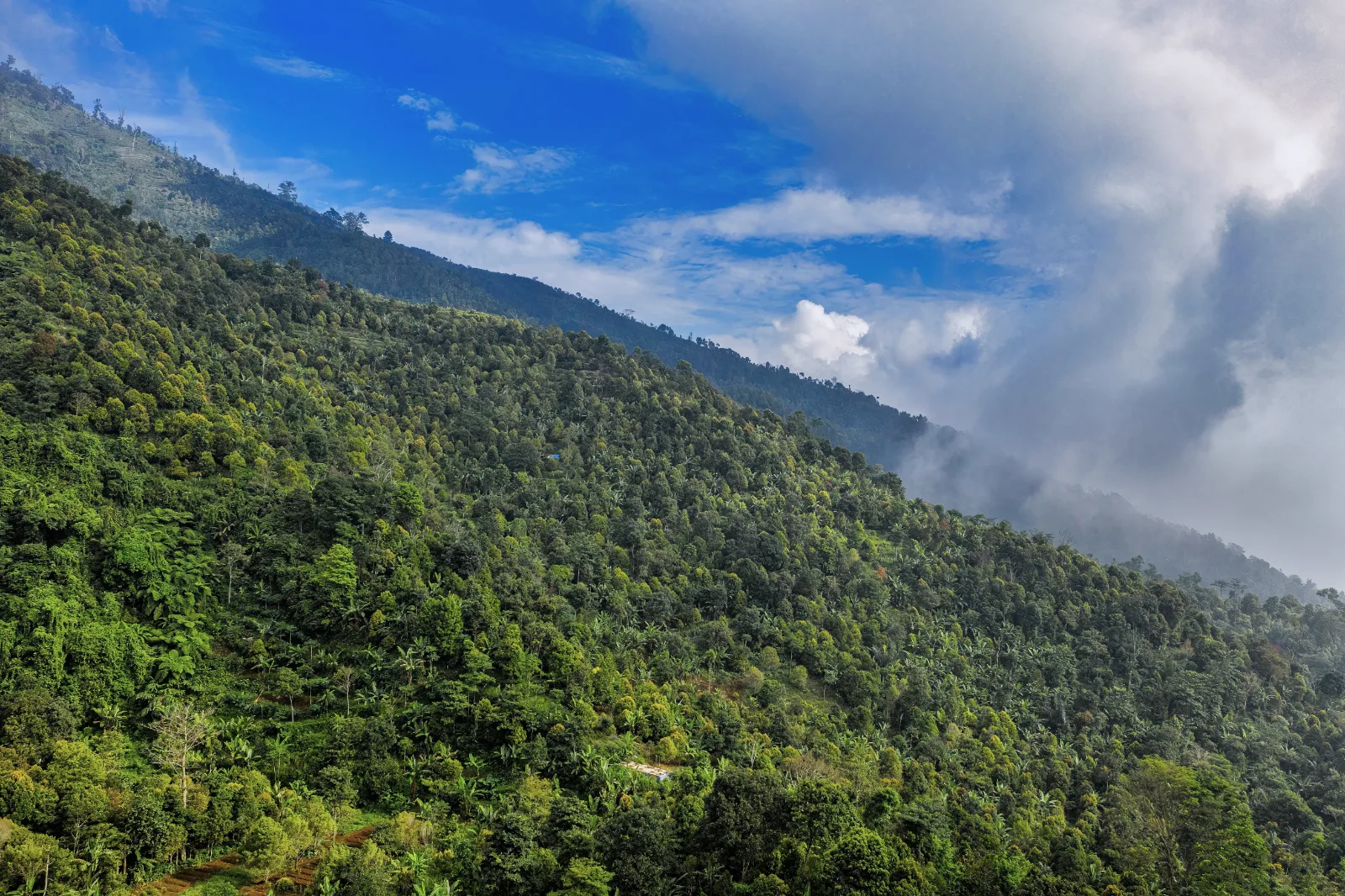
One thing that surprises many of our guests is the complete absence of a buffer zone around the park perimeter. The canopy ends on a definitive, sharp line, met by the cultivated, terraced tea estates of the local communities. From the terrace of your luxury lodge, your view gives you a depth of context that standard wildlife viewing simply cannot match.
Why Bwindi Impenetrable National Park
Bwindi offers a far more diverse terrain, richer cultural community interactions, and higher gorilla population densities compared to Volcanoes National Park in Rwanda.
Choose Bwindi over Mgahinga Gorilla National Park for the trekking itself: Bwindi has four sectors and far more habituated gorilla families, which gives it a shorter permit booking lead time than Mgahinga's single, smaller allocation.
From our team
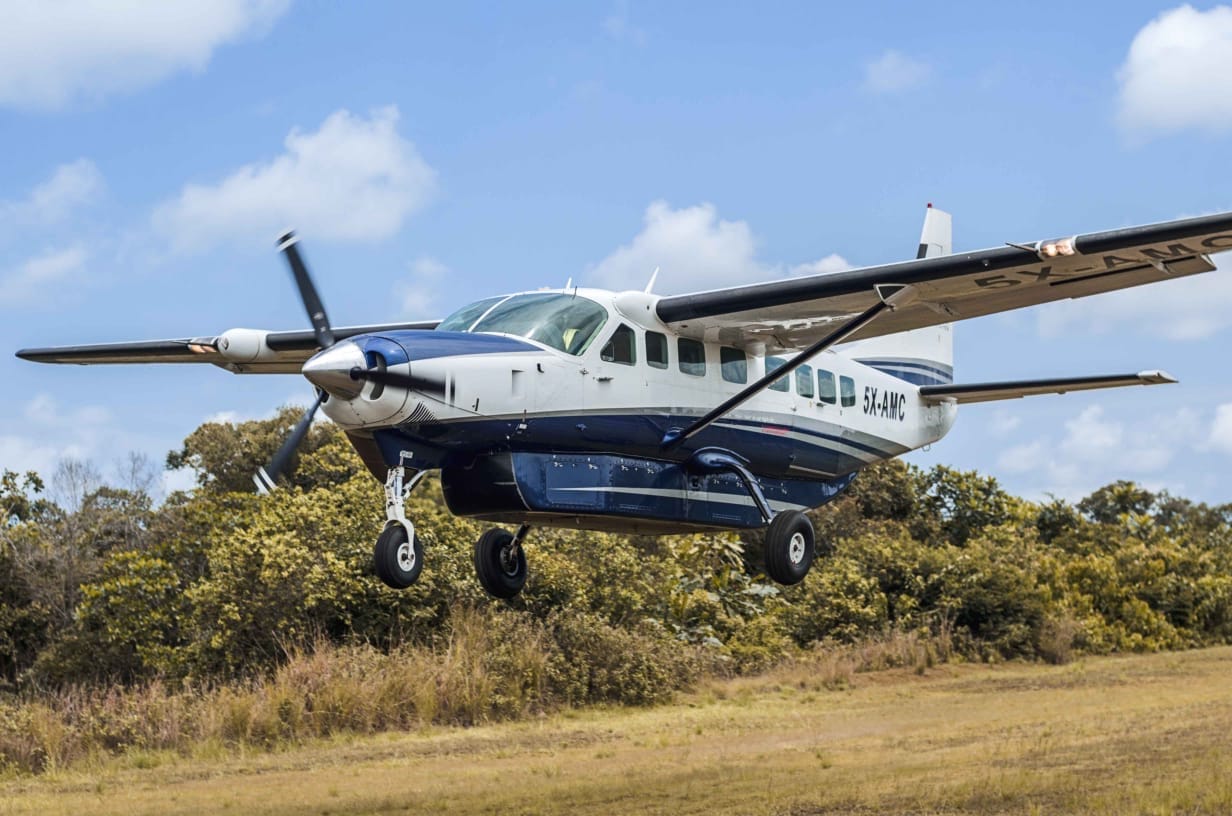
Opt for a private flight from Entebbe to Kisoro or Kihihi, rather than taking the long 8-10-hour drive. By landing near the edge of the forest, you completely bypass travel fatigue and arrive fresh, relaxed, and fully energized for your morning trek with the gorillas.
— Enoch, Huko Safaris
Inside Bwindi Impenetrable National Park
Buhoma Sector
Buhoma is Bwindi Impenetrable National Park's original and most accessible gorilla-trekking sector, sitting on the forest's northern edge and reachable in a single day's drive from Entebbe. It was the first sector opened for gorilla tourism in Uganda and remains the most popular starting point for a first-time trek.
Ruhija Sector
Ruhija is Bwindi Impenetrable National Park's highest-altitude sector, sitting on the forest's eastern edge, known equally for gorilla trekking and for the Mubwindi Swamp Trail, one of East Africa's best birding walks. Its elevation makes it noticeably cooler than Buhoma or Rushaga.
Rushaga Sector
Rushaga is Bwindi Impenetrable National Park's southern sector and the only one offering the Gorilla Habituation Experience, a longer, small-group visit with a family still being acclimated to human presence. It has more habituated gorilla families than any other Bwindi sector.
Nkuringo Sector
Nkuringo is Bwindi Impenetrable National Park's most remote southern sector, perched on a ridge with views across to the Virunga volcanoes, and known for the steepest trekking terrain of the park's four sectors. It was the last of the four to open for gorilla tourism.
Planning Your Visit
- Best Time to Visit
Best time to visit is considered the dry windows from June to September and December to February, as they offer firmer trails and lower humidity for optimal gorilla tracking comfort.
However, the rainy months, March to May and September to November, provide total exclusivity, fewer trekkers, lower lodge rates, and shorter treks as gorillas move to lower elevations for food, with the same one-hour gorilla viewing once a family is located.
- How Long to Stay
Two nights covers one gorilla trek with a travel buffer day either side; three nights allows a second activity, such as the Gorilla Habituation Experience or a Batwa Trail walk, in a different sector. If you need some recretion, wellness or relaxation, and a slower pace, you would benefit from an extra night.
- What It's Known For
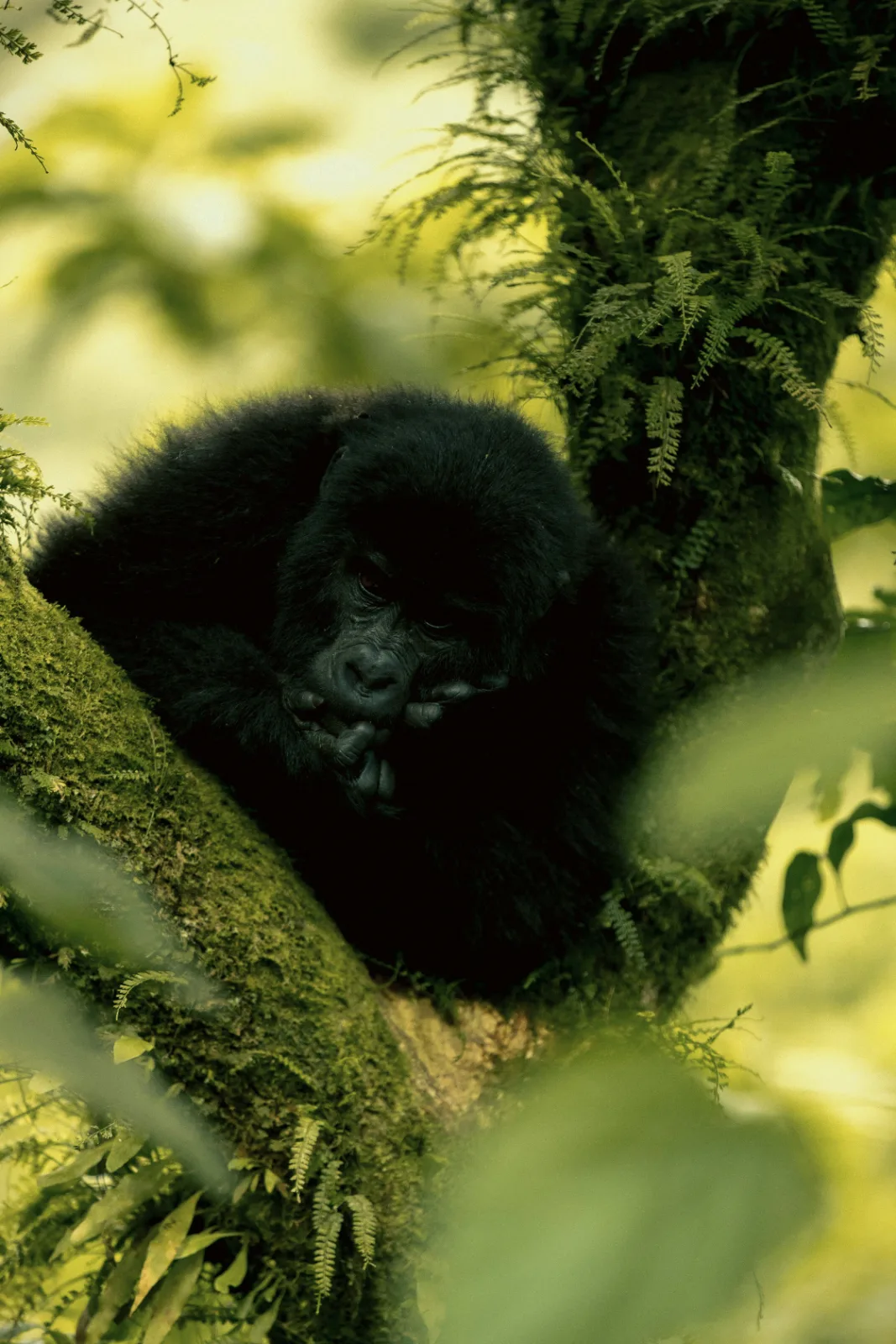
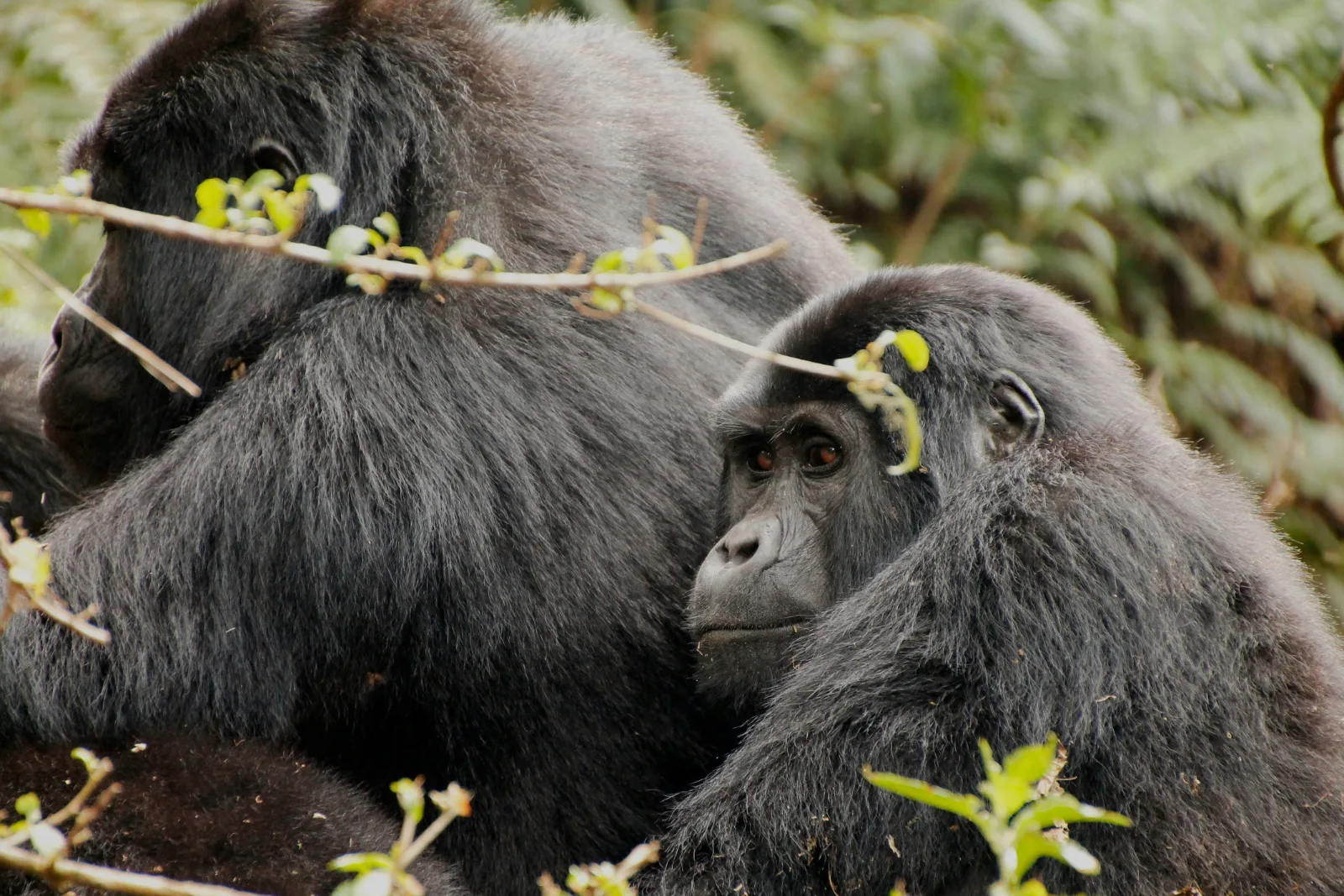
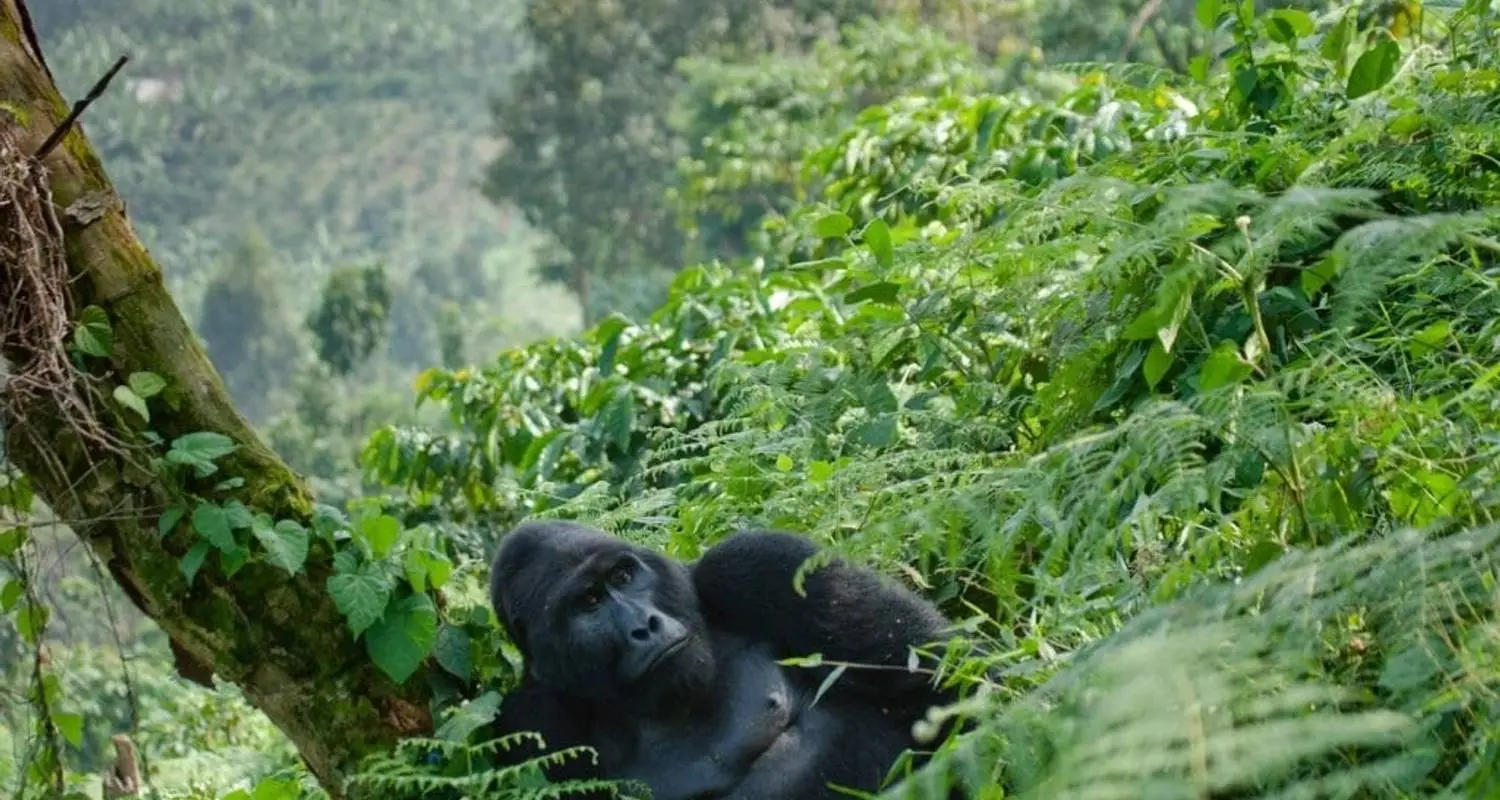
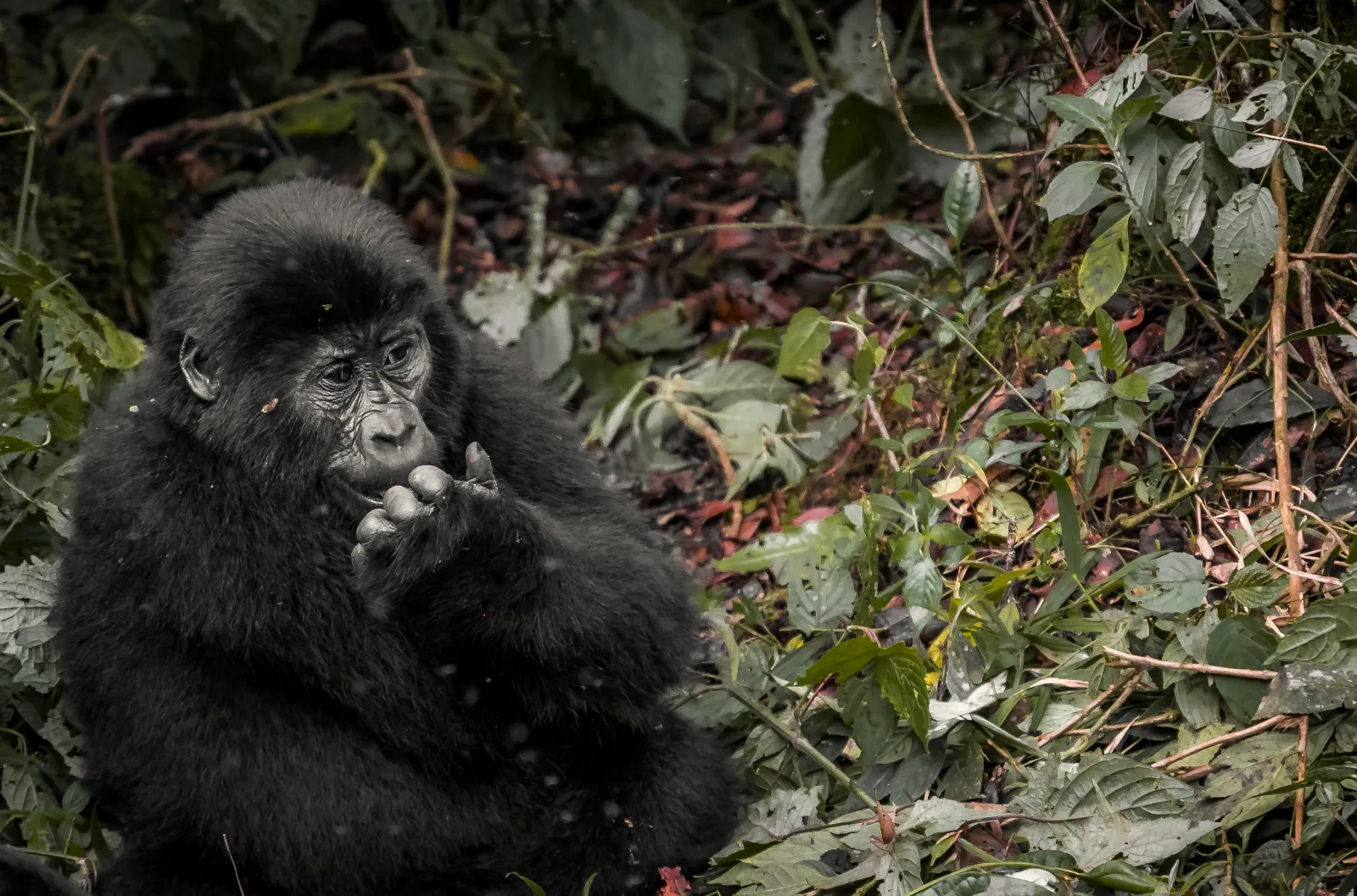
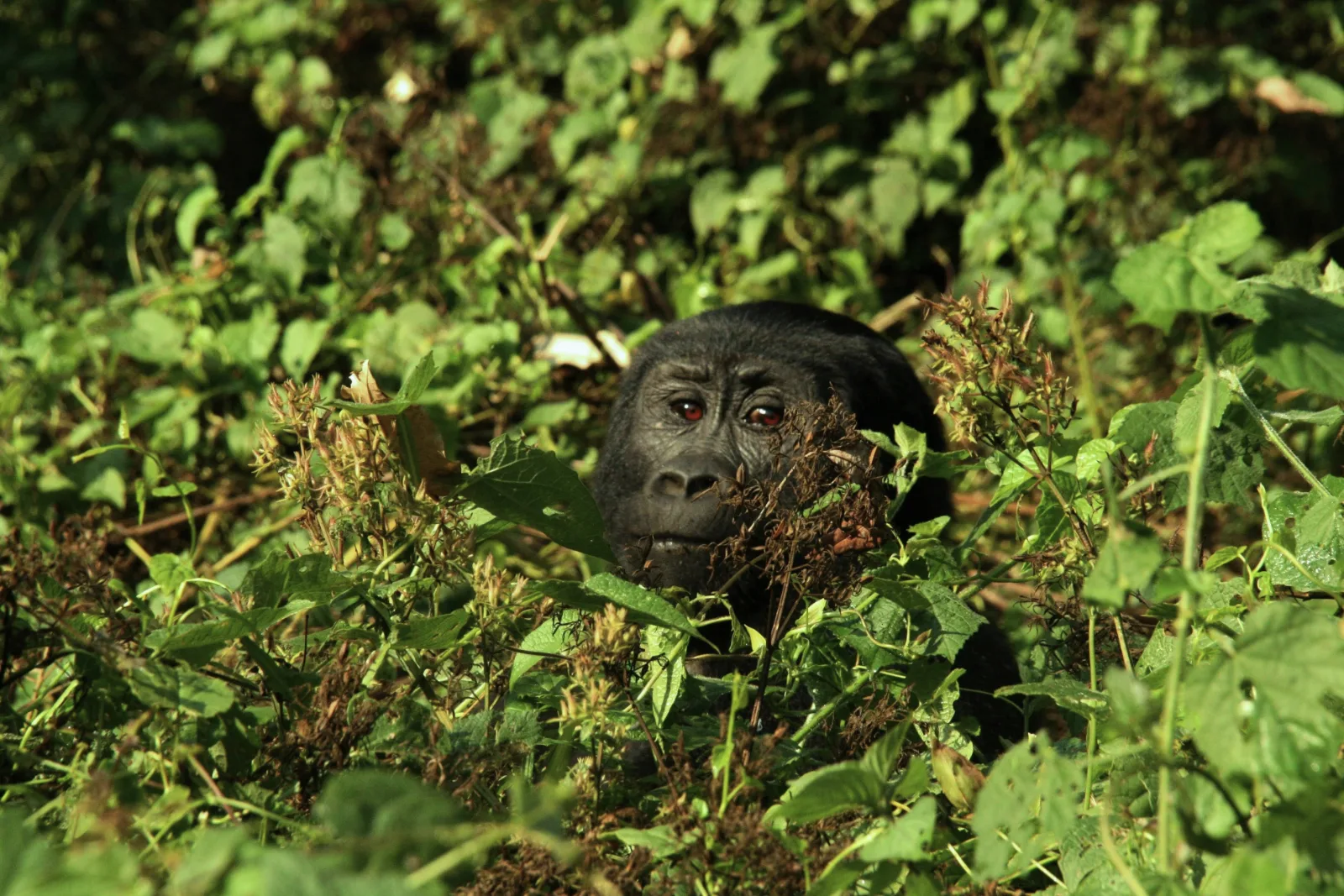
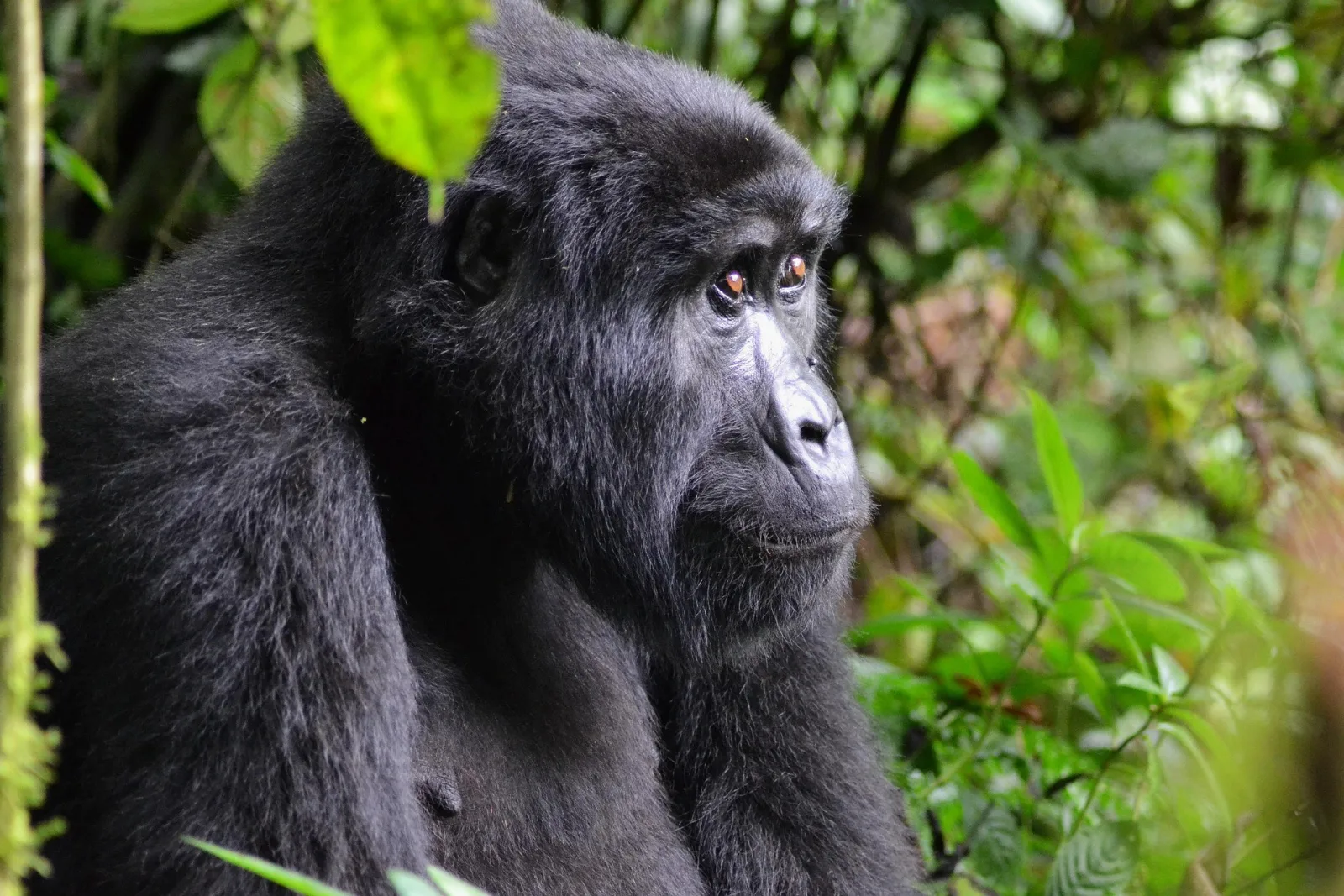
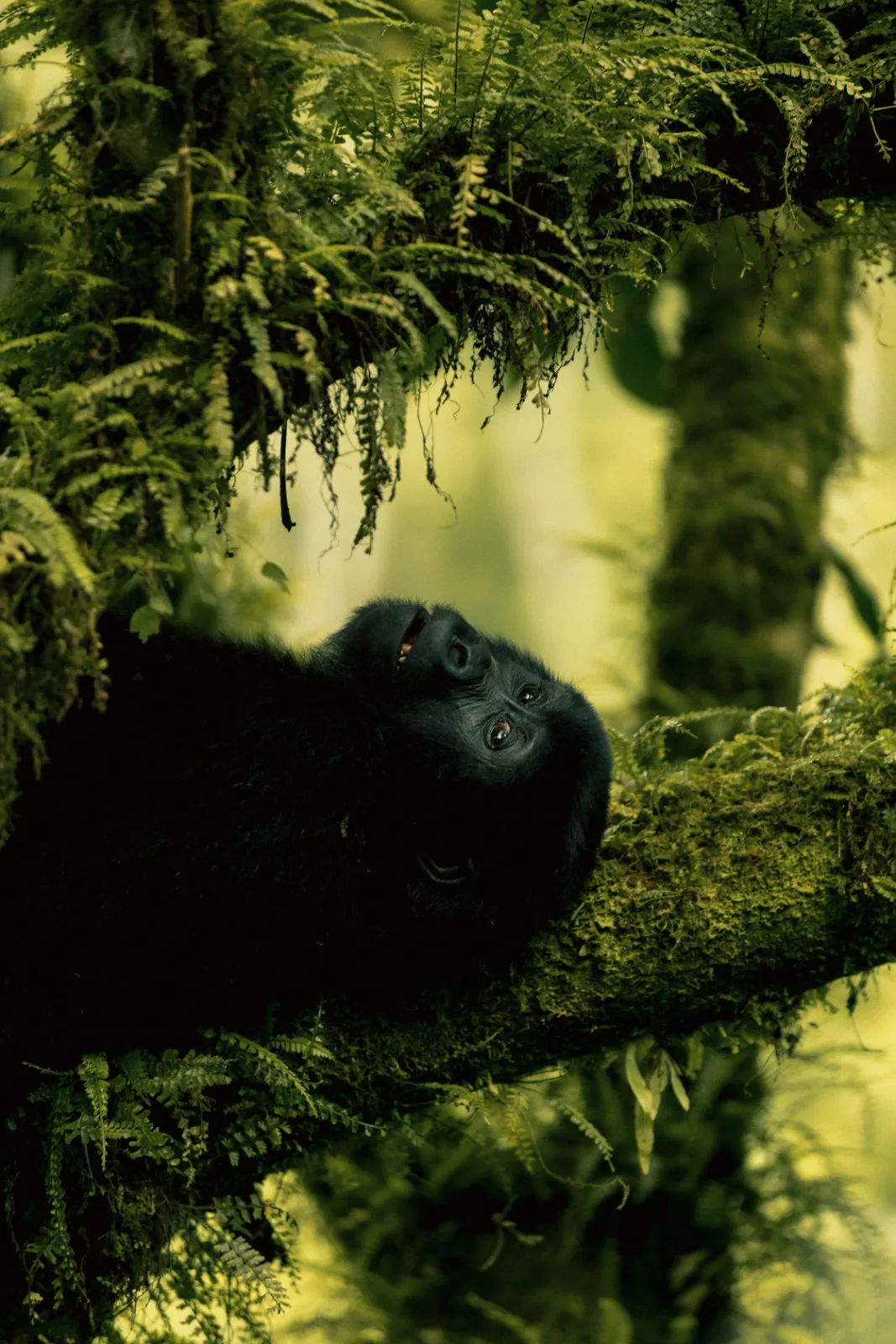
Bwindi, a UNESCO World Heritage Site, holds roughly half of the world's remaining 1,000-plus mountain gorillas, spread across four trekking sectors: Buhoma, Ruhija, Rushaga, and Nkuringo. It is also one of Africa's richest birding forests, with more than 350 recorded species, over 20 of them Albertine Rift endemics.
- Major Attractions
Gorilla trekking across the four sectors is Bwindi's main attraction. Ruhija's Mubwindi Swamp trail adds serious birding, and the Rushaga sector's Gorilla Habituation Experience extends gorilla viewing well past the standard one hour. It has other attractions like walking trails, etc.
- Don't Miss This
I would consider a gorilla trek the bare minimum if visiting Bwindi. You should definitely book the exclusive four-hour gorilla habituation experience in Rushaga for a deeper primate connection.
- Safety for Tourists
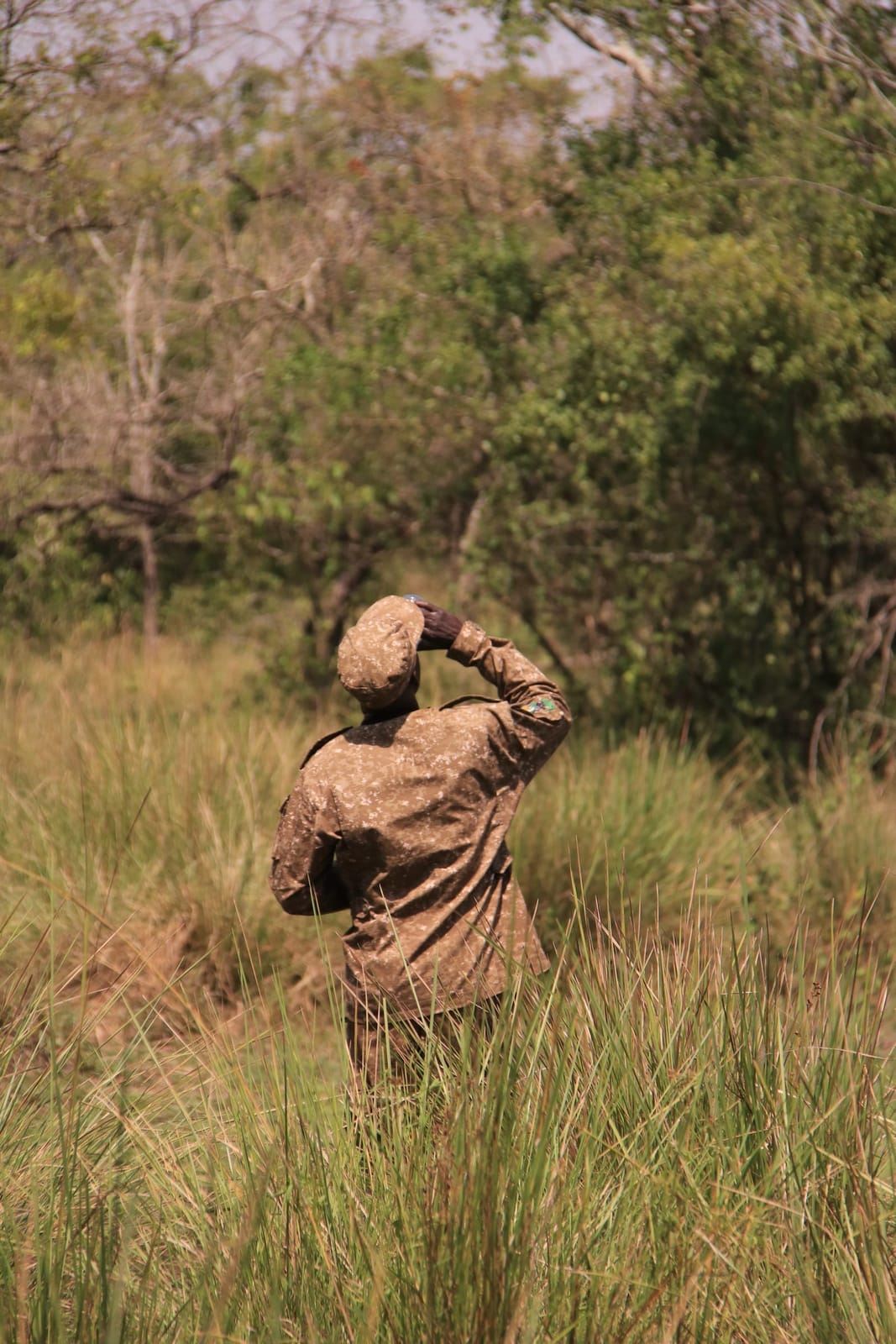
The park is highly secure, protected by dedicated Uganda Wildlife Authority rangers and tourism police, ensuring total safety for you.
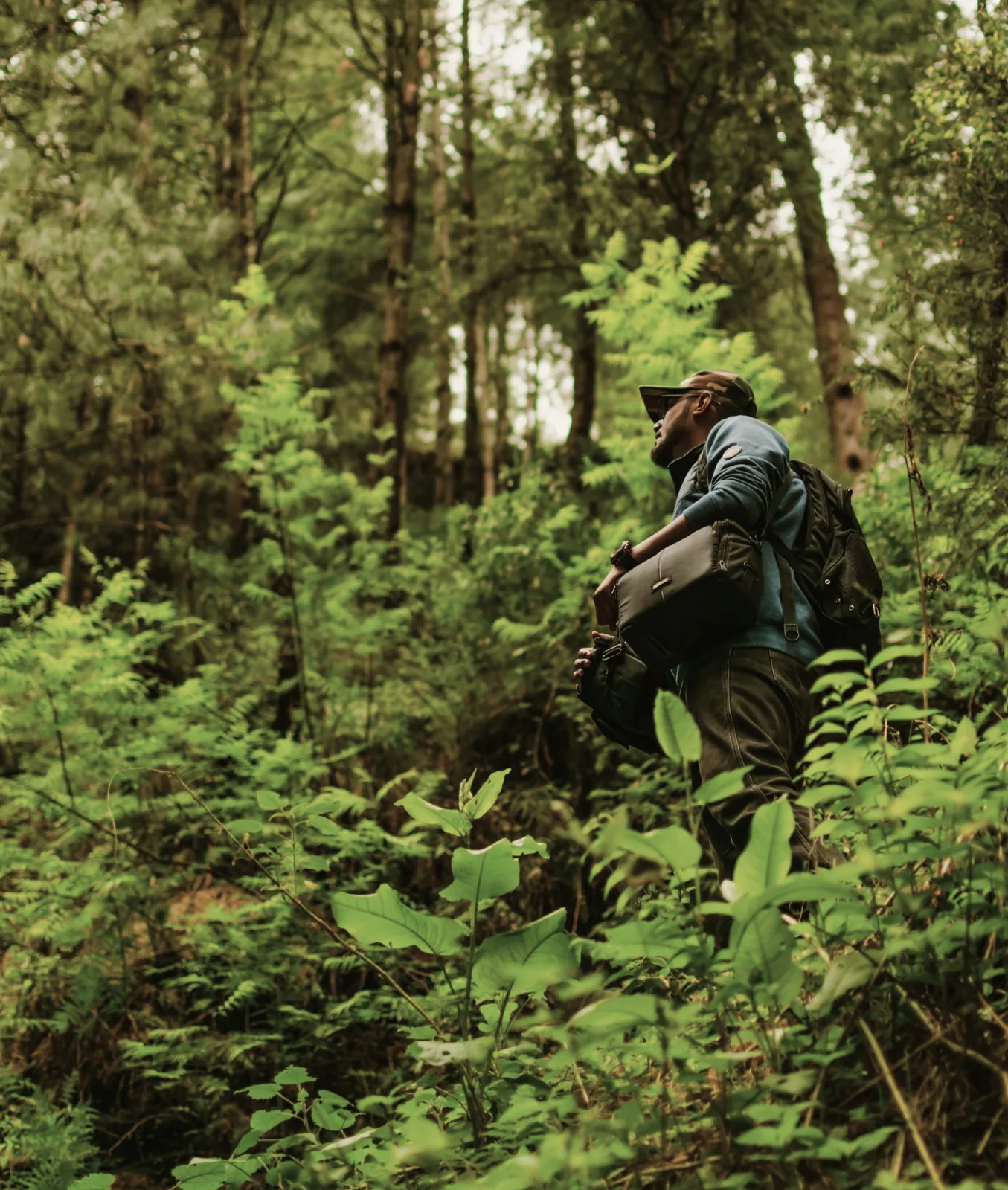
A lead tracker and radio-equipped rangers accompany every trekking group, and porters are available at each sector's start point for travelers who want help on steep, muddy terrain.
- Accommodation to Expect
Expect ultra-luxury forest lodges featuring private butler service, fine dining, fireplaces, and sweeping ridge views over the misty canopy. Each of the four sectors has its own cluster of lodges in different budget ranges, so the choice of sector usually decides the lodge as well.
Gallery
Things to Do at Bwindi Impenetrable National Park
Where to Stay
Wildlife at Bwindi Impenetrable National Park
Safaris That Visit Bwindi Impenetrable National Park
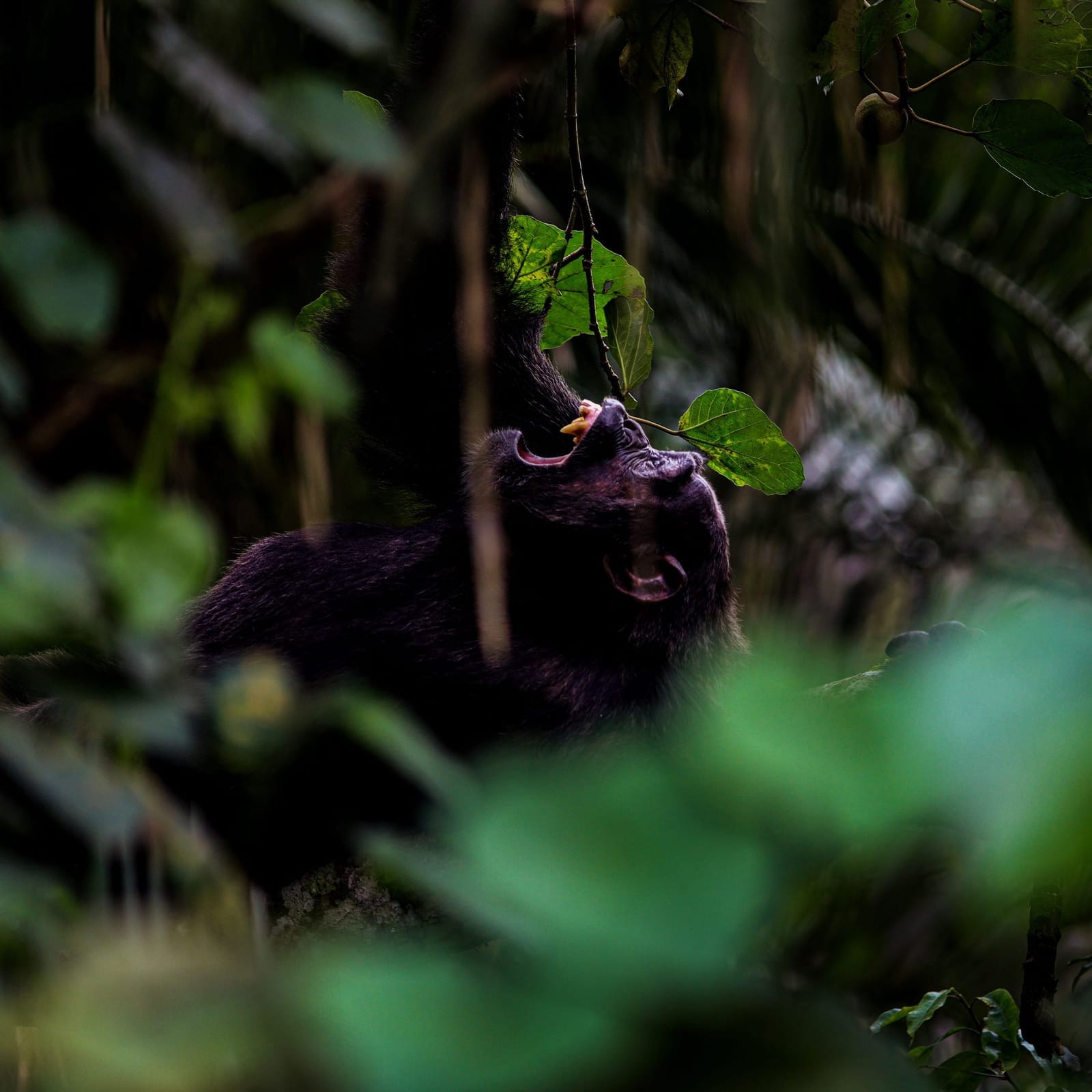
5-Day Primates of the Earth
This safari will give you everything you want to experience & learn about primates.
$5,000 Save 5%
$4,750 per person
Frequently Asked Questions
Can we book a completely private gorilla tracking experience?
Yes, you can secure an exclusive tracking experience by purchasing all eight permits allocated to a specific gorilla family for that day. This ensures that only your family or group, along with your private guides, trackers, and military rangers, will enter the forest to visit that specific primate family. Booking an exclusive group offers maximum flexibility on the trail, allowing you to set your own hiking pace and enjoy completely unobstructed photography opportunities.
How much does a gorilla trekking permit cost in Bwindi?
A standard permit costs $800 per person and is likely to increase going into 2027, booked with the Uganda Wildlife Authority, and covers one hour with a habituated gorilla family in whichever of Bwindi's four sectors the trek starts from.
How physically demanding is the Gorilla trek, and can my family handle it?
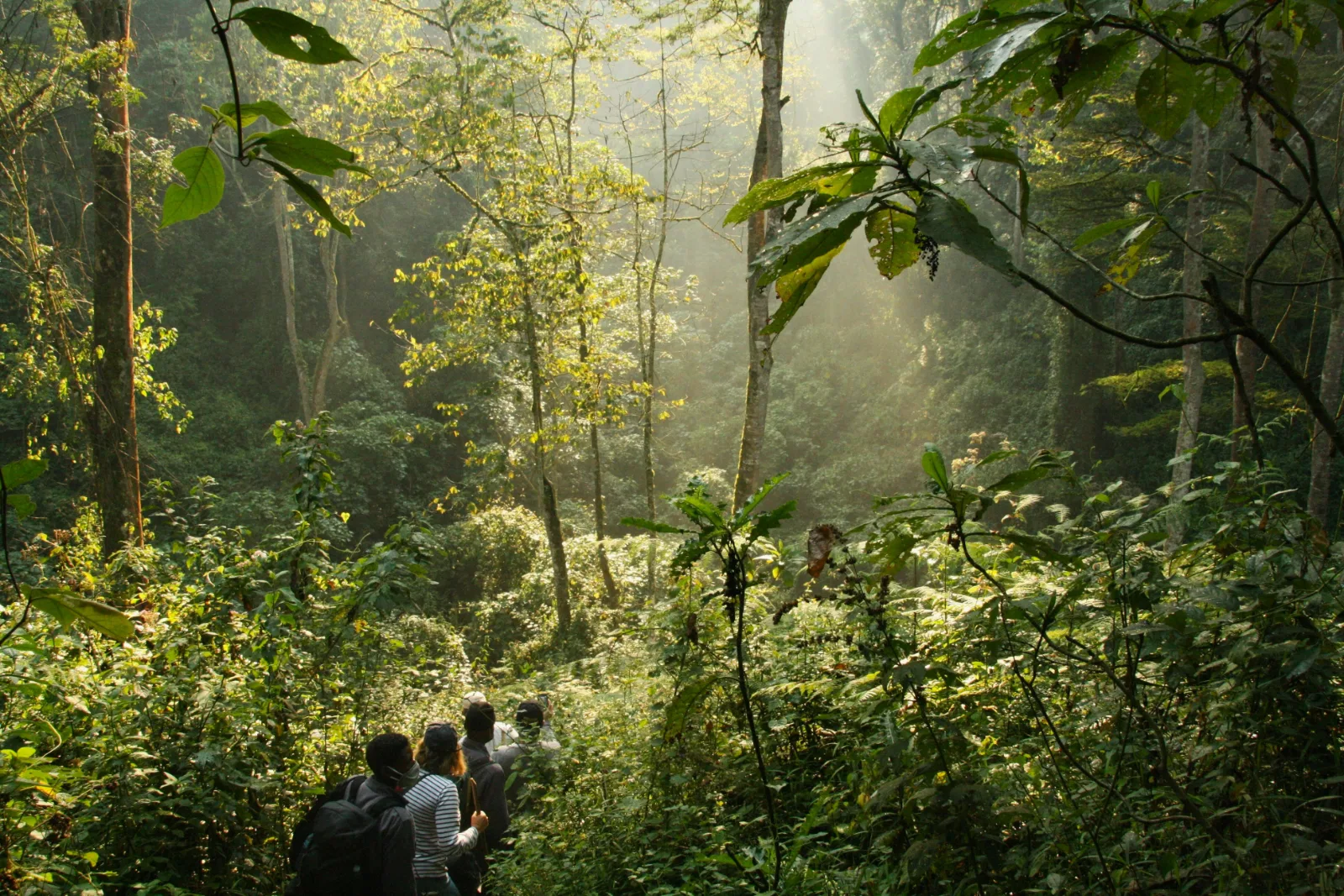
The hiking difficulty depends entirely on the location of your assigned gorilla family on that specific morning. Treks can range from a relatively relaxed forty-five-minute walk on gentle terrain to an intense, four-hour vertical climb up steep, muddy ridges at altitudes reaching 2,600 meters. We manage this variability by hiring personal porters for every member of your family to assist you over tricky footing, and we work closely with the park rangers on the morning of your trek to match your family’s physical comfort level with an appropriately accessible gorilla group.
What is the difference between a standard trek and the Habituation Experience?
A standard gorilla encounter limits your viewing time to exactly one hour with a fully habituated family that is completely accustomed to human presence. The Gorilla Habituation Experience, conducted exclusively in the southern sector of Rushaga, allows you to spend up to four hours in the presence of a semi-habituated family alongside the researchers who are actively training them. This extended encounter offers a much deeper, more educational look at primate behavior as you watch the family react, communicate, and move through the forest in real time.
How do we get to Bwindi without enduring a long, exhausting drive?
We arrange private scheduled or executive charter flights from Entebbe International Airport directly to the domestic airstrips bordering the park. If your lodge is in the northern sector, you will fly into Kihihi Airstrip, followed by a smooth one-hour drive to the forest edge. For the southern sectors, you will land at Kisoro Airstrip, which is positioned roughly ninety minutes from the high-altitude luxury ridges, completely eliminating the grueling nine-hour overland journey.
What happens if it rains during our scheduled morning trek?
Tracking proceeds exactly as scheduled regardless of weather conditions, as the park’s tropical rainforest environment means downpours can occur at any time. The gorillas do not seek shelter from the rain, though they may sit in the lower canopy or huddle together for warmth. We provide your team with a highly detailed technical packing list ahead of time, ensuring everyone is equipped with high-grade waterproof shells, gaiters, and protective covers for camera gear.
Is the park safe for families, and what medical support is available?
Bwindi is exceptionally safe and is continuously patrolled by dedicated Uganda Wildlife Authority rangers, tourism police, and conservation teams. Medical infrastructure in this remote mountainous region is basic.