
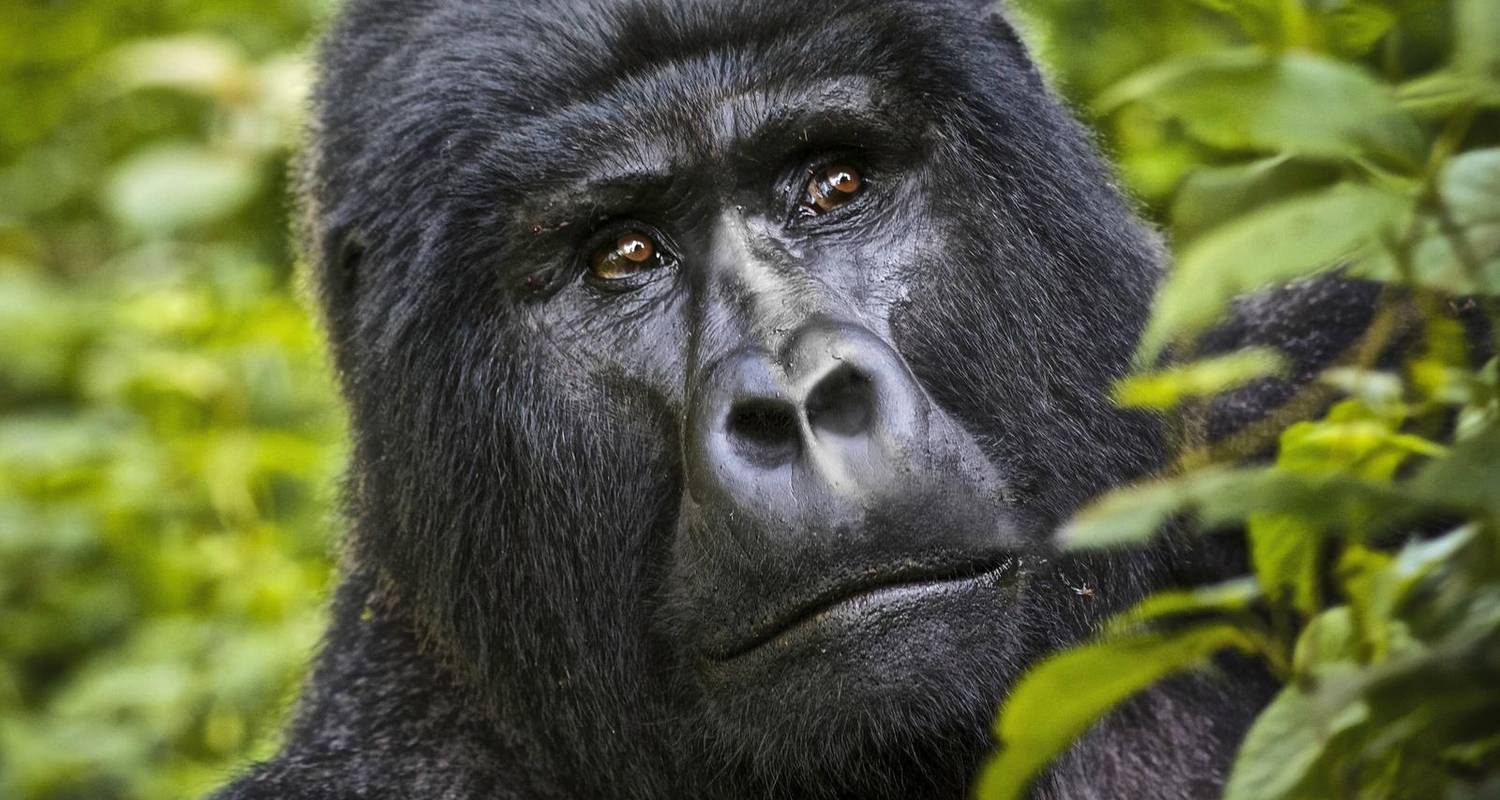
Mountain Gorilla in Bwindi Impenetrable National Park
- Sightings
- Common
- Best Months
- Year-round
- Where
- Bwindi Impenetrable National Park
- Safaris From
- $5,000
- Matching Packages
- 1
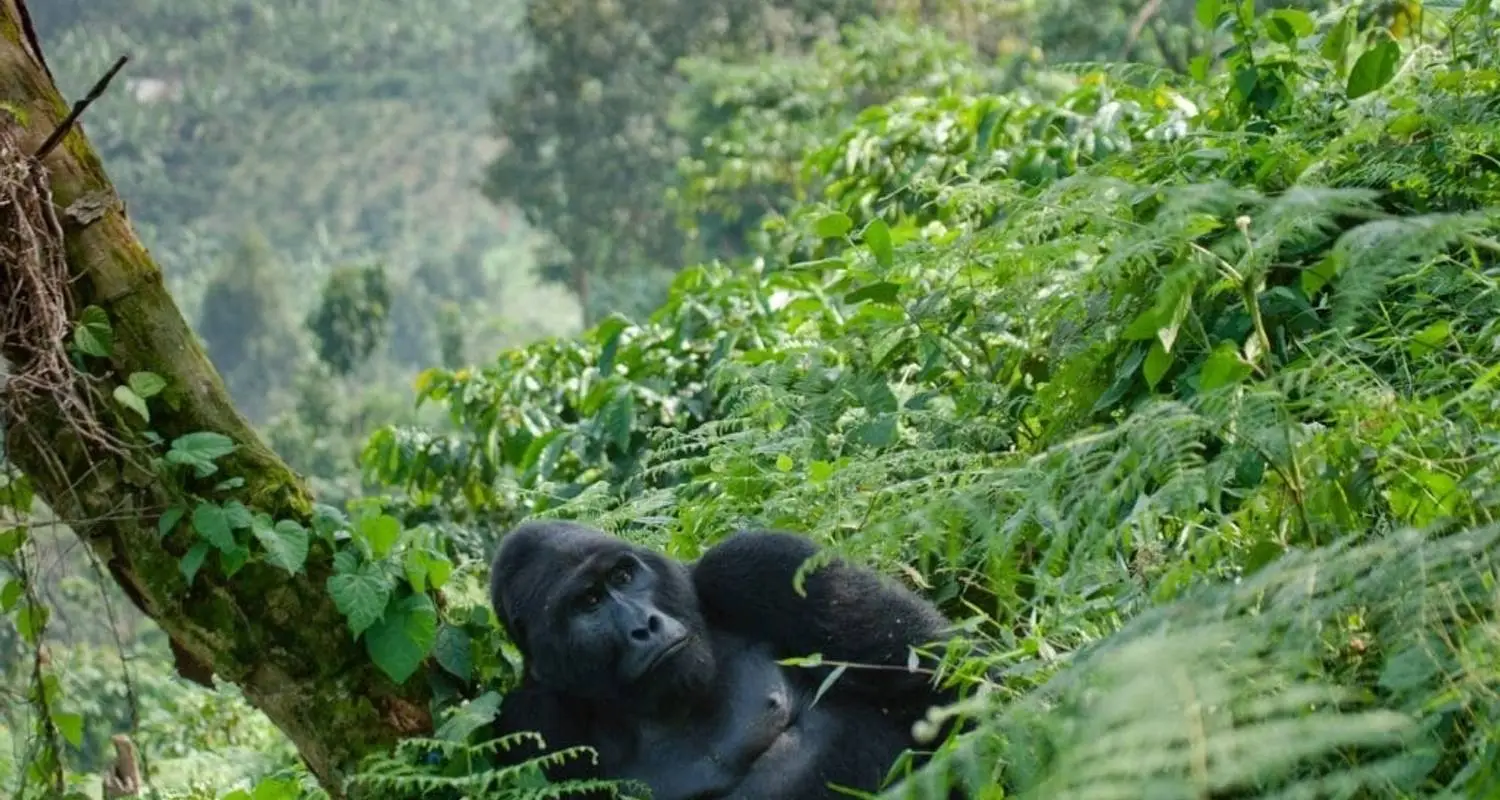
The mountain gorilla is a highly endangered subspecies of the eastern gorilla, distinguished by its exceptionally thick fur adapted for life at freezing high-altitude mountain elevations. Uganda is privileged to shelter roughly half of the world's remaining wild population, with these giants living within highly social, tightly knit families led by a dominant, protective silverback male. Their habituated family units reveal incredibly tender, human-like family dynamics, from playful juveniles wrestling in the dense foliage to mothers nursing infants under the watchful eye of the silverback. Trekking through the rugged, mist-shrouded volcanic ridges of Southwestern Uganda to spend an hour in their silent presence stands as the ultimate bucket-list highlight of any luxury African safari.
From Our Guides
Bwindi holds roughly half of the world's mountain gorillas, split across four trekking sectors: Buhoma, Ruhija, Rushaga, and Nkuringo. Each sector tracks a different set of habituated families, so the climb, the altitude, and even the forest canopy change depending on which sector a trek starts from. Rushaga's Gorilla Habituation Experience is the one place in Bwindi to spend up to four hours with a family, well past the standard one-hour limit given everywhere else.
- What Bwindi Impenetrable National Park Is Known For
Bwindi, a UNESCO World Heritage Site, holds roughly half of the world's remaining 1,000-plus mountain gorillas, spread across four trekking sectors: Buhoma, Ruhija, Rushaga, and Nkuringo. It is also one of Africa's richest birding forests, with more than 350 recorded species, over 20 of them Albertine Rift endemics.
- Best Time to Visit Bwindi Impenetrable National Park
Best time to visit is considered the dry windows from June to September and December to February, as they offer firmer trails and lower humidity for optimal gorilla tracking comfort.
However, the rainy months, March to May and September to November, provide total exclusivity, fewer trekkers, lower lodge rates, and shorter treks as gorillas move to lower elevations for food, with the same one-hour gorilla viewing once a family is located.
Last updated October 22, 2026
· Written by Enoch, Huko Safaris
5.0average traveler rating
Local expert: Enoch



Best Months to See Mountain Gorilla in Uganda
From our team
Mountain Gorilla
While Bwindi Impenetrable National Park gets the most fame, don't overlook Mgahinga Gorilla National Park! Mgahinga only has one habituated gorilla family (the Nyakagezi group), but because they live on the open slopes of the Virunga Volcanoes, the bamboo forest is much less dense. This makes walking slightly easier and gives you wide-open, completely unobstructed views for photography. Remember to carry a pair of sturdy gardening gloves: the vines you grasp for balance in Bwindi can have fierce thorns!
— Enoch, Huko Safaris
Bwindi Impenetrable National Park
Opt for a private flight from Entebbe to Kisoro or Kihihi, rather than taking the long 8-10-hour drive. By landing near the edge of the forest, you completely bypass travel fatigue and arrive fresh, relaxed, and fully energized for your morning trek with the gorillas.
— Enoch, Huko Safaris
Safaris That May See Mountain Gorilla at Bwindi Impenetrable National Park
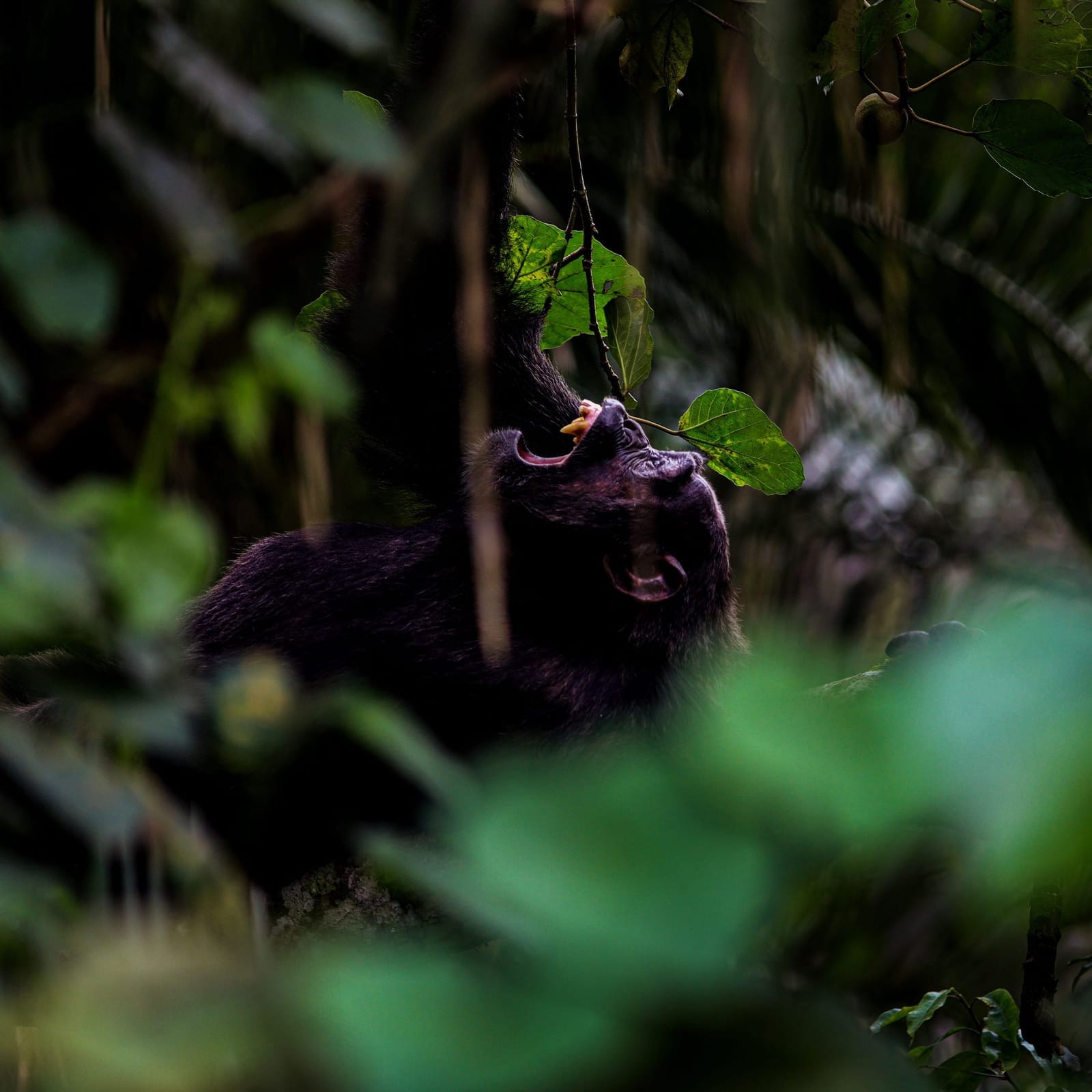
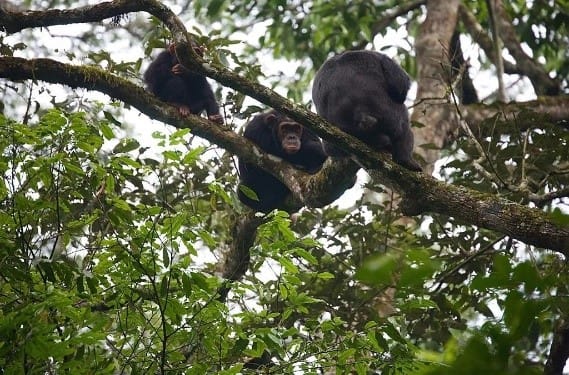
5-Day Primates of the Earth
This safari will give you everything you want to experience & learn about primates.
$5,000 Save 5%
$4,750 per person