
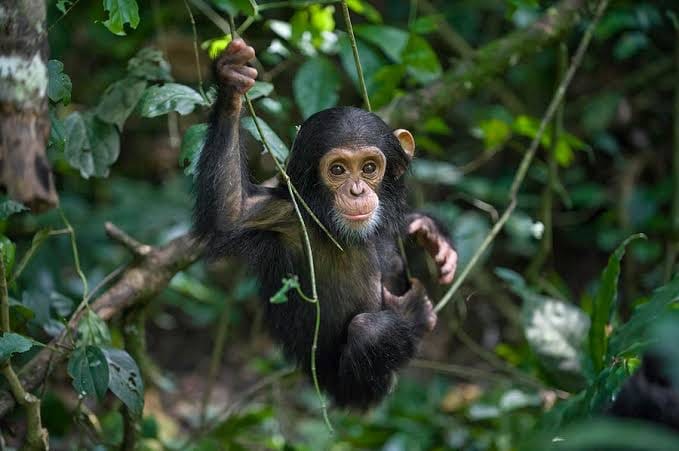
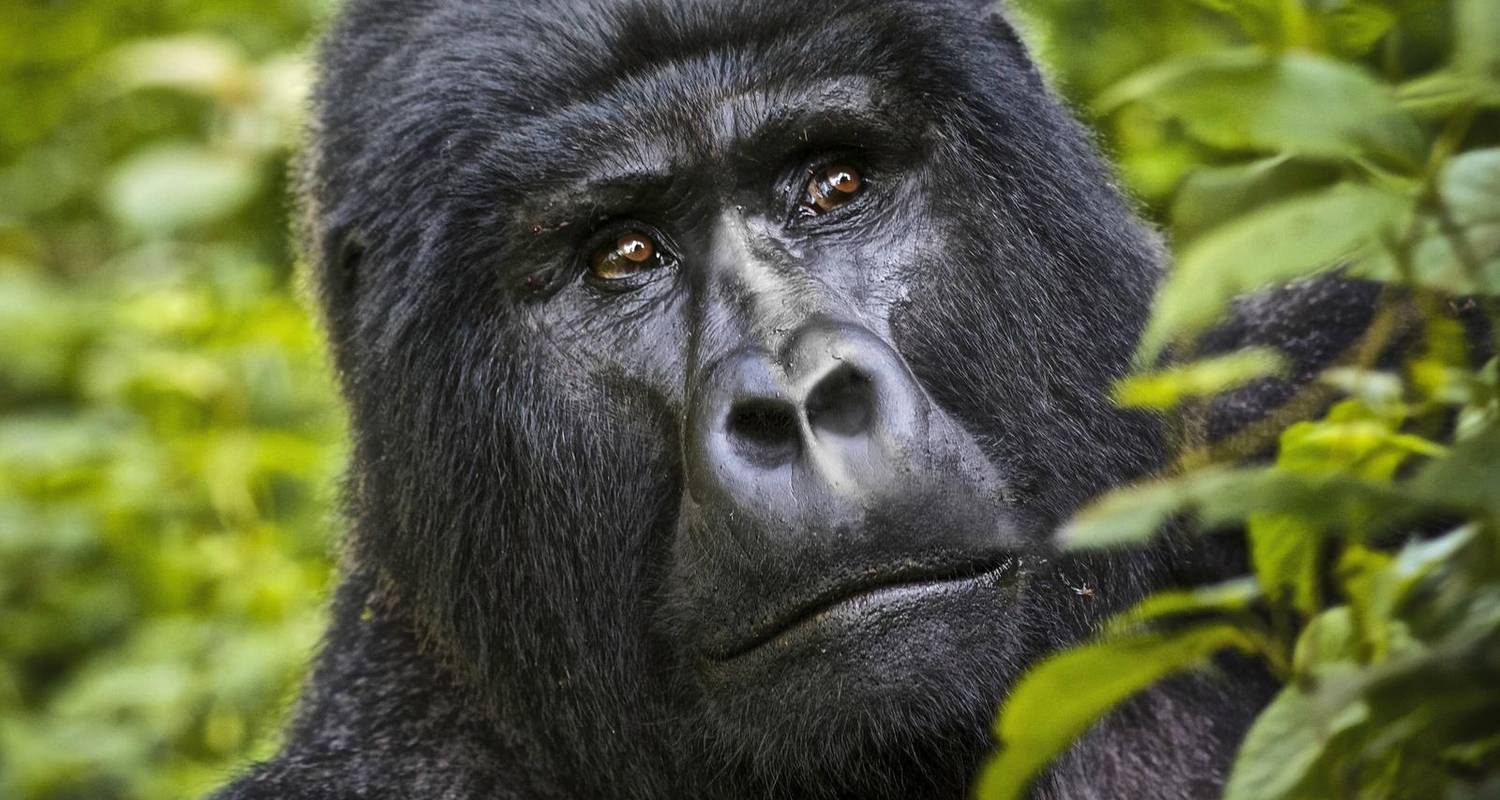
Schimpanse in Bwindi-Impenetrable-Nationalpark
- Sightings
- Selten
- Best Months
- Year-round
- Where
- Bwindi-Impenetrable-Nationalpark
- Safaris From
- 4.600 €
- Matching Packages
- 1
Schon lange bevor man einen Schimpansen erblickt, ist der Gang in den Regenwald ein wahres Fest für die Sinne. Über einem bricht eine chaotische Symphonie aus ohrenbetäubenden Rufen, Schreien und dem tiefen Dröhnen der Alpha-Männchen los, die auf massive Baumwurzeln trommeln, um ihren Standort zu signalisieren. Im Gegensatz zu den ruhigen, gemächlich bewegenden Gorillas ist das Aufspüren von Schimpansen oft ein rasantes Vorankommen durch das Unterholz. Man muss sich beeilen, um mit ihnen Schritt zu halten, wenn sie sich von hohen Ästen hinabstürzen, über den Waldboden sprinten und direkt vor den eigenen Augen komplexe soziale Machtkämpfe austragen. Zu beobachten, wie sie Werkzeuge benutzen, um Revier streiten und mit ihren unglaublich intelligenten, bernsteinfarbenen Augen zu dir zurückblicken, ist eine eindringliche Erinnerung an unsere gemeinsamen Wurzeln.
Aus unseren Reiseführern
Bwindi is home to over four hundred wild chimpanzees, but because they are not habituated to humans, you will generally only hear their vocalizations echoing through the deep ridges. Their pant-hoot calls pierce through the dense morning air, reminding you that you are standing in one of the few African wildernesses where two distinct great ape species share the exact same habitat.
- What Bwindi-Impenetrable-Nationalpark Is Known For
Bwindi, a UNESCO World Heritage Site, holds roughly half of the world's remaining 1,000-plus mountain gorillas, spread across four trekking sectors: Buhoma, Ruhija, Rushaga, and Nkuringo. It is also one of Africa's richest birding forests, with more than 350 recorded species, over 20 of them Albertine Rift endemics.
- Best Time to Visit Bwindi-Impenetrable-Nationalpark
Best time to visit is considered the dry windows from June to September and December to February, as they offer firmer trails and lower humidity for optimal gorilla tracking comfort.
However, the rainy months, March to May and September to November, provide total exclusivity, fewer trekkers, lower lodge rates, and shorter treks as gorillas move to lower elevations for food, with the same one-hour gorilla viewing once a family is located.
Last updated October 22, 2026
· Written by Enoch, Huko Safaris
5.0Durchschnittliche Bewertung der Reisenden
Lokaler Experte: Enoch




Best Months to See Schimpanse in Uganda
Von unserem Team
Schimpanse
While Kibale National Park is widely celebrated as the primate capital of Africa, I also highly recommend trekking in the dramatic, sunken forest of Kyambura Gorge inside Queen Elizabeth National Park. It feels like stepping into a lost world! Wherever you trek, my tip is to book a Chimpanzee Habituation Experience. Spending hours with researchers gives you a completely different level of insight into the chimps' behaviors & daily routines compared to a standard one-hour trek.
— Enoch, Huko Safaris
Bwindi-Impenetrable-Nationalpark
Opt for a private flight from Entebbe to Kisoro or Kihihi, rather than taking the long 8-10-hour drive. By landing near the edge of the forest, you completely bypass travel fatigue and arrive fresh, relaxed, and fully energized for your morning trek with the gorillas.
— Enoch, Huko Safaris
Safaris That May See Schimpanse at Bwindi-Impenetrable-Nationalpark
„5 Tage: Primaten der Erde“
Diese Reise bietet Ihnen alles, was Sie über Primaten erleben und erfahren möchten.
4.600 € Speichern 5%
4.370 € pro Person