
Attività in Uganda
Safari notturno
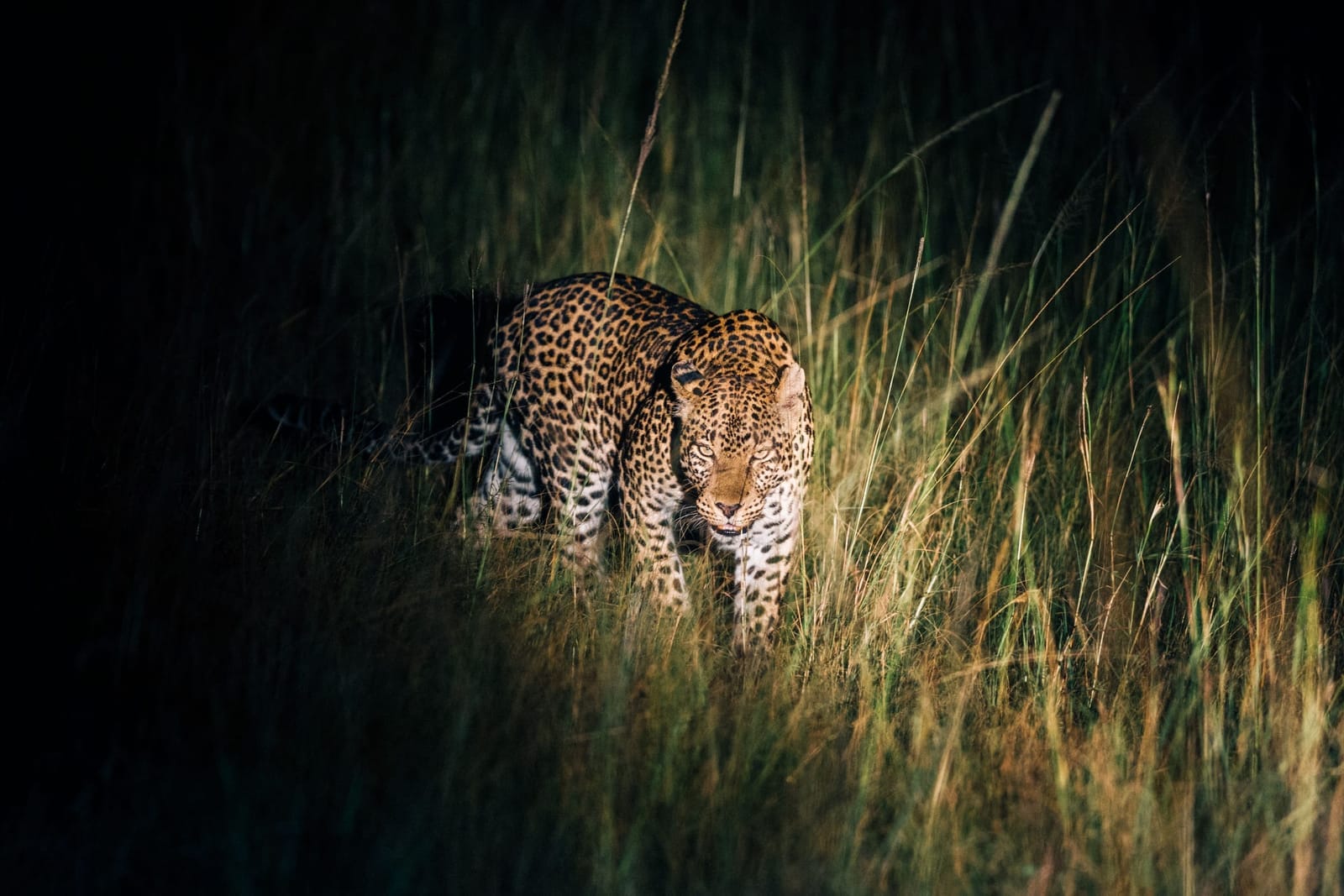
Avventuratevi nella savana dopo il tramonto, muniti di potenti proiettori, per scoprire gli sfuggenti predatori notturni a caccia.
- Cosa succede
Si parte proprio al calar del crepuscolo, accompagnati da un ranger armato dell’Uganda Wildlife Authority. La tua guida si muove lungo i sentieri silenziosi utilizzando torce portatili per cogliere il caratteristico bagliore negli occhi degli animali nascosti. Ti fermi per osservare i leopardi che si avvicinano furtivamente alla preda, i leoni attivi nell’aria più fresca e specie notturne più piccole come i galagoni, i succiacapre e le genette, che scompaiono completamente durante il giorno.
- Come ci si sente
Le pianure, così familiari durante il giorno, appaiono completamente trasformate dall’oscurità e dal mistero. I sensi si acuiscono mentre si ascolta l’intenso coro dei grilli, delle rane e delle risate lontane delle iene. Un brivido percorre il veicolo quando il fascio di luce del riflettore rivela un grande felino che si muove silenziosamente tra l’erba proprio accanto a voi.
- A chi è rivolto
Ideale per gli appassionati di fauna selvatica, per chi ama fare safari e per le famiglie con bambini più grandi alla ricerca di un’esperienza esclusiva e suggestiva per osservare il comportamento dei predatori africani.
- Buono a sapersi
Le notti nella savana aperta possono diventare sorprendentemente fredde, quindi si consiglia vivamente di portare con sé un pile pesante o una giacca antivento. Questa attività specialistica è consentita solo in luoghi specifici come il Lago Mburo, le Cascate Murchison e il Parco Nazionale Queen Elizabeth. Per partecipare è necessario alloggiare in un lodge all’interno dei confini del parco.
Safari con Safari notturno
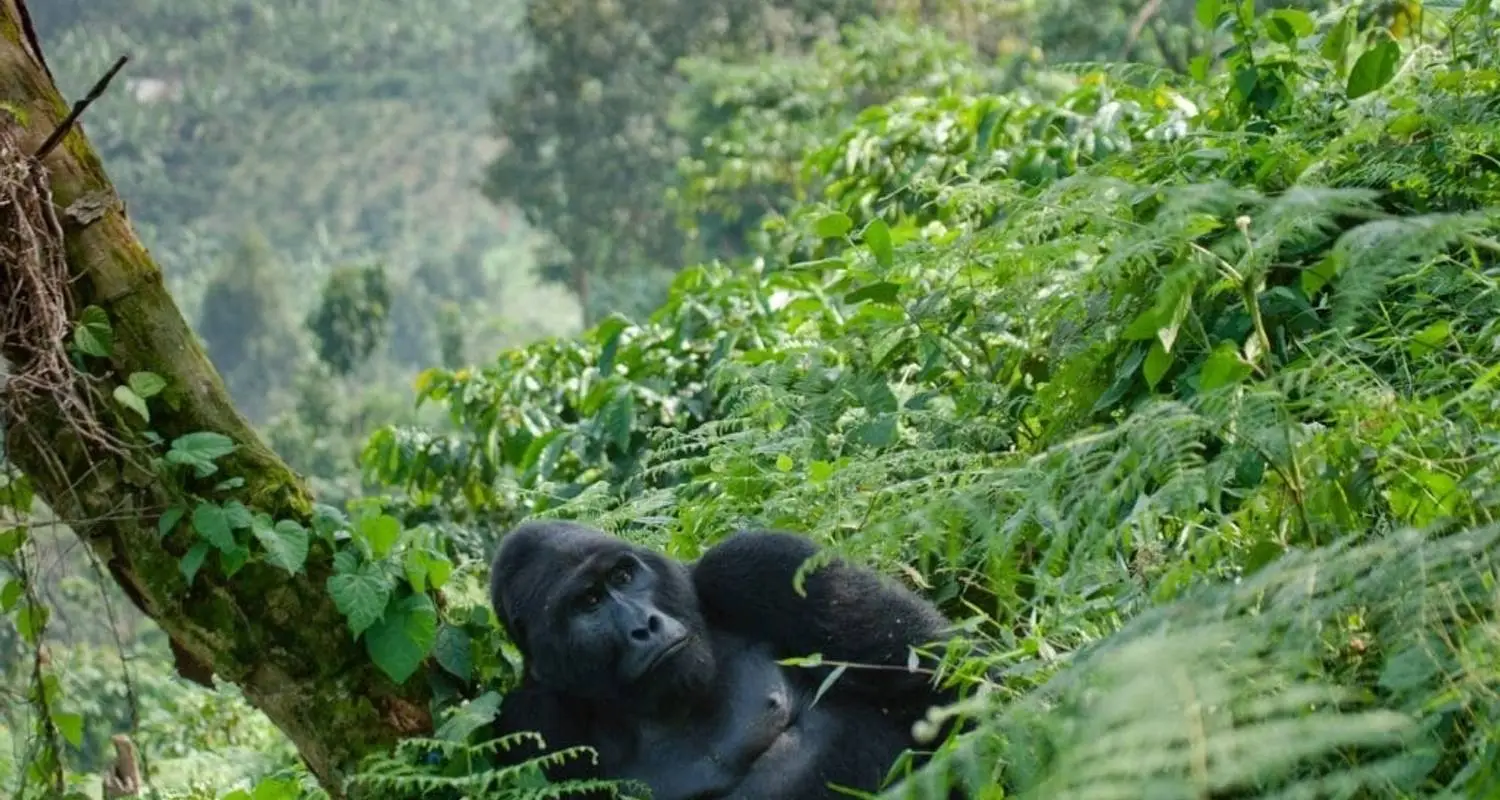
5 giorni alla scoperta dei primati della Terra
Questo viaggio ti offrirà tutto ciò che desideri vivere e imparare sui primati.
4600 € Salva 5%
4370 € a persona
Dove andare Safari notturno in Uganda
Pian Upe Wildlife Reserve
Pian Upe Wildlife Reserve is Uganda's second-largest protected area, a semi-arid stretch of Karamoja savannah covering roughly 2,788 square kilometers between Mount Elgon and Kidepo Valley. It holds Uganda's only confirmed cheetah range and some of the country's last roan antelope, ostrich, and Bright's gazelle populations, in a landscape far drier and more open than the western parks.
Kidepo Valley National Park
Kidepo Valley National Park is Uganda’s most remote and beautiful savanna wilderness, spanning 1,442 square kilometers in the extreme northeastern Karamoja region. Bordering South Sudan and Kenya, the park features a dramatic landscape dominated by the Narus and Kidepo valleys, flanked by the soaring Mount Morungole and rugged mountain ranges. Because it is isolated, it receives a fraction of the tourists found in western Uganda, providing an exclusive, untamed safari atmosphere reminiscent of Africa fifty years ago. The park protects a diverse ecosystem of montane forests and semi-arid savanna grasslands. It is home to 86 mammal species and over 460 bird species, including many found nowhere else in the country.
Queen Elizabeth National Park
Queen Elizabeth National Park is Uganda's most visited savannah park, famous for tree-climbing lions in the Ishasha sector, the Kazinga Channel boat cruise between Lake Edward and Lake George, and chimpanzee tracking in Kyambura Gorge, known locally as the Valley of Apes.
Lake Mburo National Park
If you're used to parks being big, Lake Mburo will change your perspective on a wildlife sanctuary. At just 370 square kilometers (about 1.5 times larger than Kampala capital city in surface area), Uganda’s smallest savannah park has extreme ecological density, with acacia woodland and open grassland surrounding five distinct lakes, the largest of which, Lake Mburo itself, gives the park its name and its boat safaris. The absence of elephants here allows thick acacia forests to thrive, creating a woodland dynamic that feels more like a secluded maze of greenery than an open plains wilderness. Lake Mburo National Park is not just Uganda's smallest savannah park, but it's also the closest one to Kampala, reached in roughly 3.5 to 4 hours by road, which makes it the country's go-to stop for travelers short on time or breaking up the long drive southwest to Bwindi. Because dense acacia woodlands grow unchecked here due to lack of elephants, it creates an ideal, low-competition ecosystem for Uganda’s highest concentration of leopards. The park's 1983 creation under the Obote regime weaponized conservation to evict indigenous Banyankole Bahima pastoralists, triggering a violent 1985 local uprising that completely dismantled the early park infrastructure.
Murchison Falls National Park
Murchison Falls National Park is Uganda's largest and oldest national park, centered on the Nile River as it forces its way through a narrow, 7-meter-wide gorge to form the world's most powerful waterfall: Murchison Falls. The Victoria Nile bisects the park into two distinct ecosystems: the open, game-rich northern savanna and the dense southern tropical woodlands. President Idi Amin temporarily renamed it Kabalega National Park in honor of King Kabalega of the Bunyoro Kingdom before it was reverted to Murchison Falls. While four of the "Big Five" (elephants, lions, leopards, and buffaloes) can be seen in the park, the rhinos are not here and can instead be tracked on foot at the Ziwa Rhino Sanctuary, south of the park. In addition, the southern edge of Murchison Falls National Park encompasses Budongo Forest, which protects a large community of habituated chimpanzees and extensive mahogany trees.