
Veranstaltung in Uganda
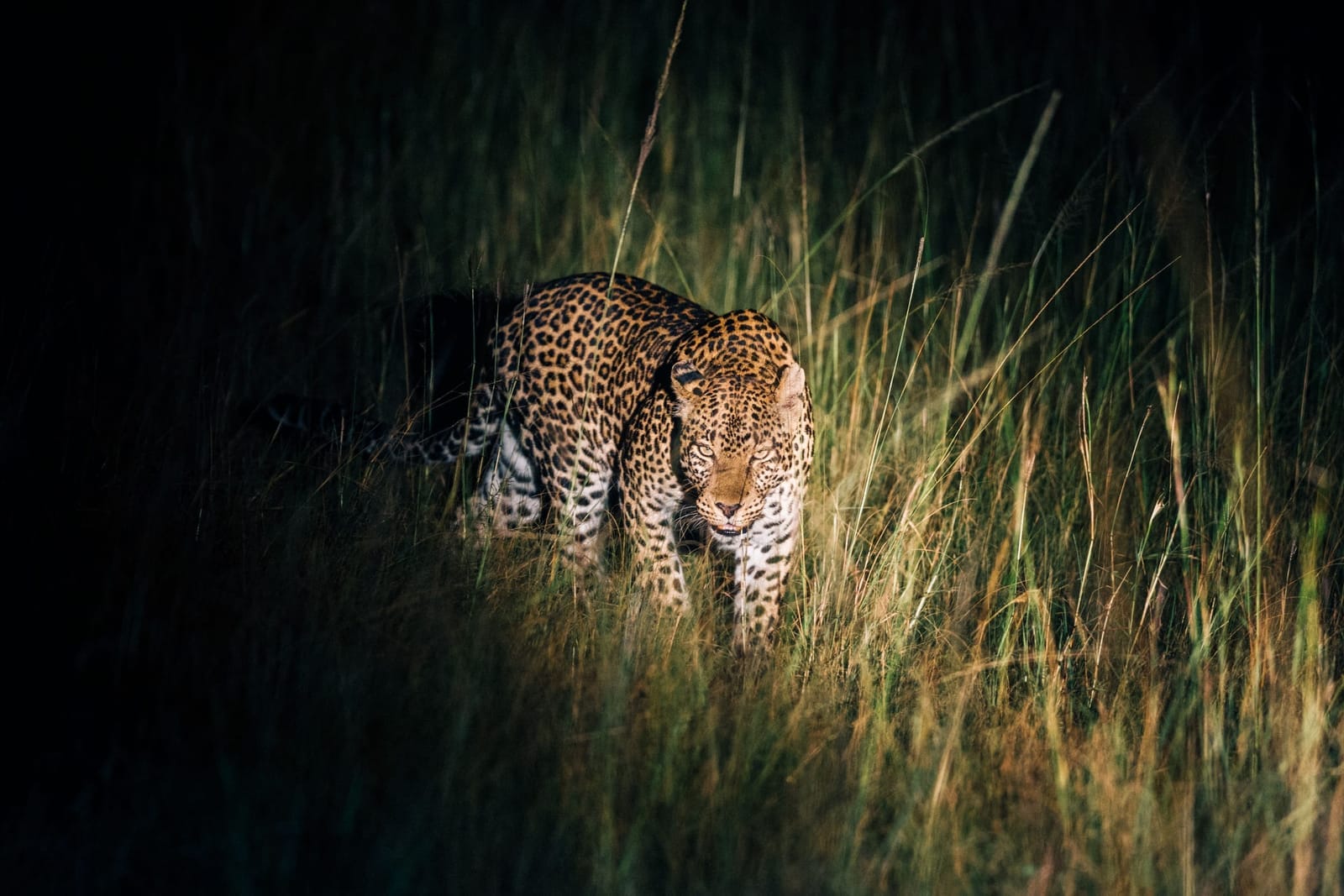
Nacht-Safari
Begeben Sie sich nach Einbruch der Dunkelheit mit leistungsstarken Scheinwerfern in die Savanne, um die scheuen nachtaktiven Raubtiere auf der Jagd zu beobachten.
- Was passiert?
Sie brechen bei Einbruch der Dämmerung auf, begleitet von einem bewaffneten Ranger der Uganda Wildlife Authority. Ihr Guide lotst Sie über die stillen Pfade und nutzt dabei Handtaschenlampen, um den unverkennbaren Augenschimmer versteckter Tiere zu erkennen. Sie halten an, um Leoparden bei der Jagd auf ihre Beute zu beobachten, Löwen, die in der kühleren Luft aktiv sind, sowie kleinere nachtaktive Tierarten wie Buschbabys, Nachtschwalben und Ginsterkatzen, die tagsüber völlig verschwinden.
- Wie es sich anfühlt
Die vertrauten Ebenen des Tages wirken durch Dunkelheit und Geheimnisvollheit völlig verwandelt. Ihre Sinne werden geschärft, während Sie dem intensiven Chor aus Grillen, Fröschen und dem entfernten Gelächter der Hyänen lauschen. Ein Schauer läuft durch das Fahrzeug, als der Lichtstrahl eines Scheinwerfers eine Großkatze enthüllt, die sich direkt neben Ihnen lautlos durch das Gras bewegt.
- Für wen ist es gedacht?
Ideal für Naturliebhaber, erfahrene Safari-Reisende und Familien mit älteren Kindern, die einen exklusiven, beeindruckenden Einblick in das Verhalten afrikanischer Raubtiere suchen.
- Gut zu wissen
Die Nächte in der offenen Savanne können überraschend kühl werden, daher ist es sehr empfehlenswert, einen dicken Fleecepullover oder eine winddichte Jacke einzupacken. Diese spezielle Aktivität ist nur an bestimmten Orten wie dem Mburo-See, den Murchison-Fällen und im Queen-Elizabeth-Nationalpark erlaubt. Sie müssen in einer Lodge innerhalb der Parkgrenzen untergebracht sein, um daran teilnehmen zu können.
Safaris mit Nacht-Safari
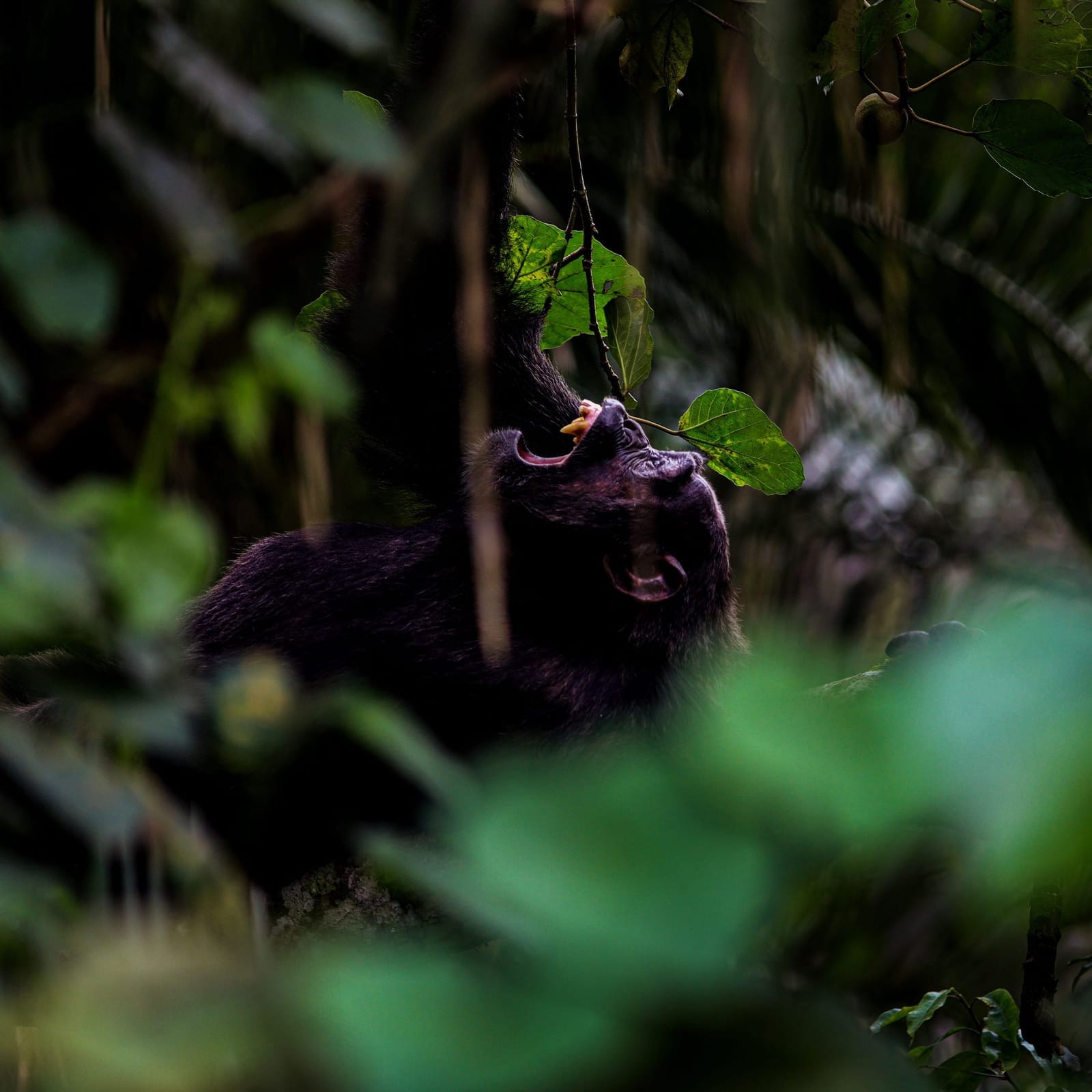
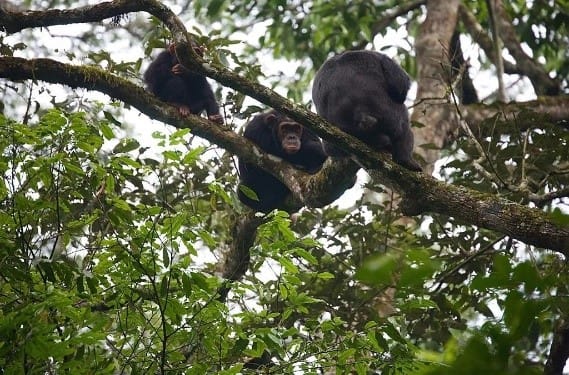
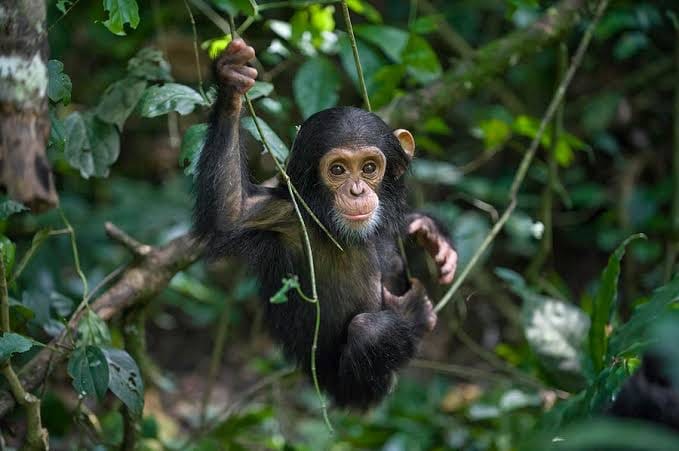
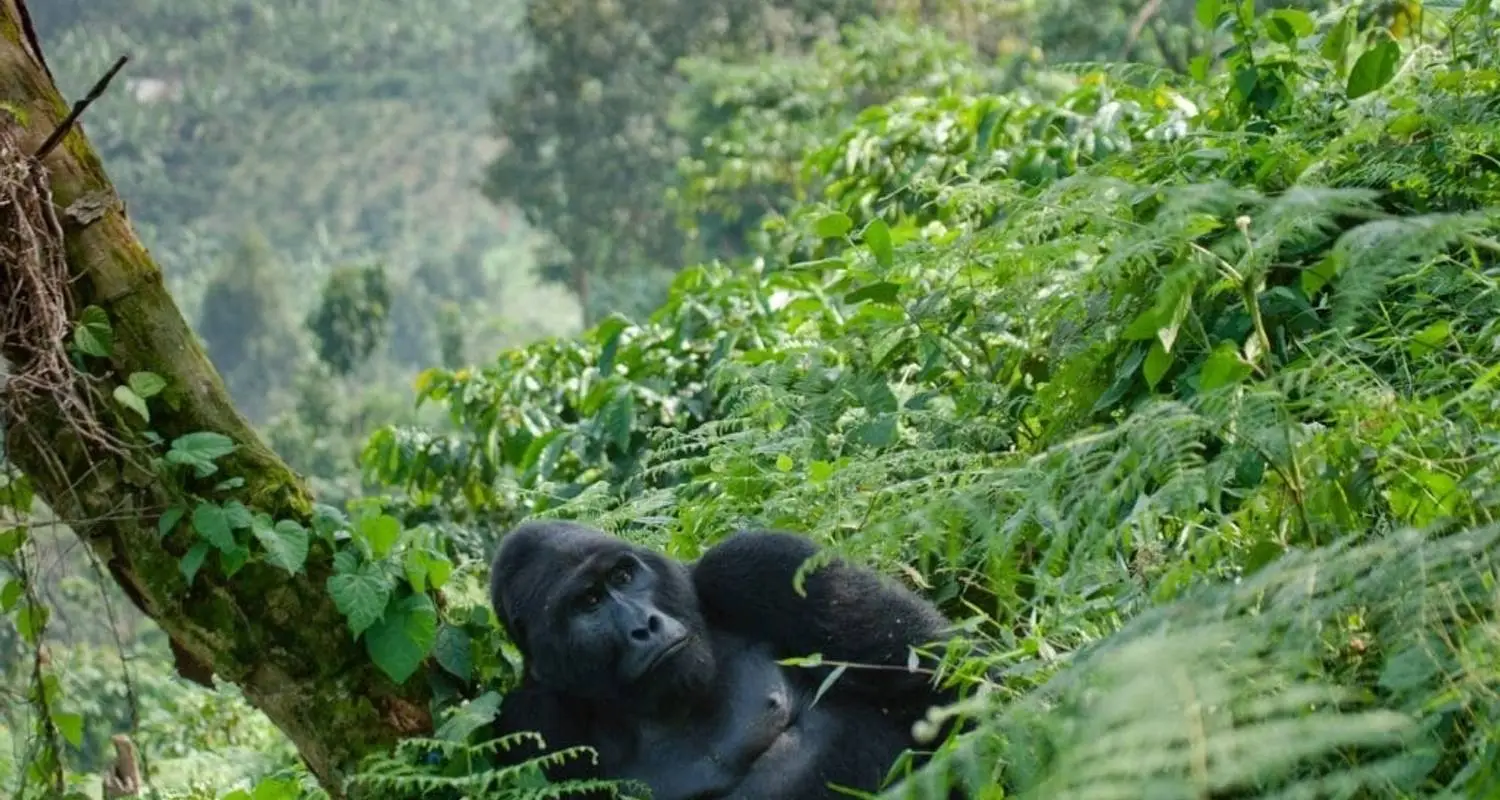
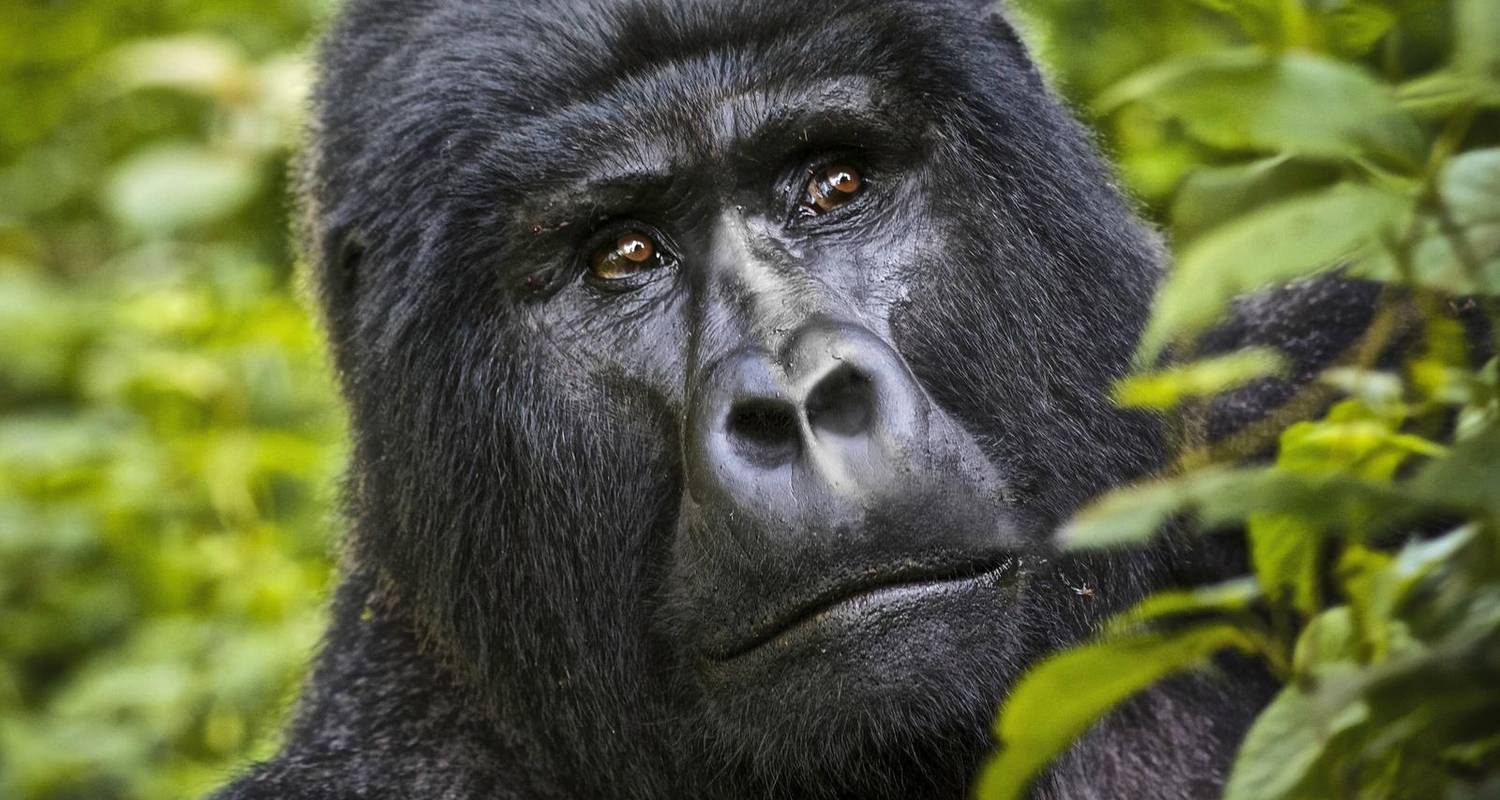
„5 Tage: Primaten der Erde“
Diese Reise bietet Ihnen alles, was Sie über Primaten erleben und erfahren möchten.
4.600 € Speichern 5%
4.370 € pro Person
Wo kann man das machen? Nacht-Safari in Uganda
Pian Upe Wildlife Reserve
Pian Upe Wildlife Reserve is Uganda's second-largest protected area, a semi-arid stretch of Karamoja savannah covering roughly 2,788 square kilometers between Mount Elgon and Kidepo Valley. It holds Uganda's only confirmed cheetah range and some of the country's last roan antelope, ostrich, and Bright's gazelle populations, in a landscape far drier and more open than the western parks.
Kidepo Valley National Park
Kidepo Valley National Park is Uganda’s most remote and beautiful savanna wilderness, spanning 1,442 square kilometers in the extreme northeastern Karamoja region. Bordering South Sudan and Kenya, the park features a dramatic landscape dominated by the Narus and Kidepo valleys, flanked by the soaring Mount Morungole and rugged mountain ranges. Because it is isolated, it receives a fraction of the tourists found in western Uganda, providing an exclusive, untamed safari atmosphere reminiscent of Africa fifty years ago. The park protects a diverse ecosystem of montane forests and semi-arid savanna grasslands. It is home to 86 mammal species and over 460 bird species, including many found nowhere else in the country.
Queen Elizabeth National Park
Queen Elizabeth National Park is Uganda's most visited savannah park, famous for tree-climbing lions in the Ishasha sector, the Kazinga Channel boat cruise between Lake Edward and Lake George, and chimpanzee tracking in Kyambura Gorge, known locally as the Valley of Apes.
Lake Mburo National Park
If you're used to parks being big, Lake Mburo will change your perspective on a wildlife sanctuary. At just 370 square kilometers (about 1.5 times larger than Kampala capital city in surface area), Uganda’s smallest savannah park has extreme ecological density, with acacia woodland and open grassland surrounding five distinct lakes, the largest of which, Lake Mburo itself, gives the park its name and its boat safaris. The absence of elephants here allows thick acacia forests to thrive, creating a woodland dynamic that feels more like a secluded maze of greenery than an open plains wilderness. Lake Mburo National Park is not just Uganda's smallest savannah park, but it's also the closest one to Kampala, reached in roughly 3.5 to 4 hours by road, which makes it the country's go-to stop for travelers short on time or breaking up the long drive southwest to Bwindi. Because dense acacia woodlands grow unchecked here due to lack of elephants, it creates an ideal, low-competition ecosystem for Uganda’s highest concentration of leopards. The park's 1983 creation under the Obote regime weaponized conservation to evict indigenous Banyankole Bahima pastoralists, triggering a violent 1985 local uprising that completely dismantled the early park infrastructure.
Murchison Falls National Park
Murchison Falls National Park is Uganda's largest and oldest national park, centered on the Nile River as it forces its way through a narrow, 7-meter-wide gorge to form the world's most powerful waterfall: Murchison Falls. The Victoria Nile bisects the park into two distinct ecosystems: the open, game-rich northern savanna and the dense southern tropical woodlands. President Idi Amin temporarily renamed it Kabalega National Park in honor of King Kabalega of the Bunyoro Kingdom before it was reverted to Murchison Falls. While four of the "Big Five" (elephants, lions, leopards, and buffaloes) can be seen in the park, the rhinos are not here and can instead be tracked on foot at the Ziwa Rhino Sanctuary, south of the park. In addition, the southern edge of Murchison Falls National Park encompasses Budongo Forest, which protects a large community of habituated chimpanzees and extensive mahogany trees.